


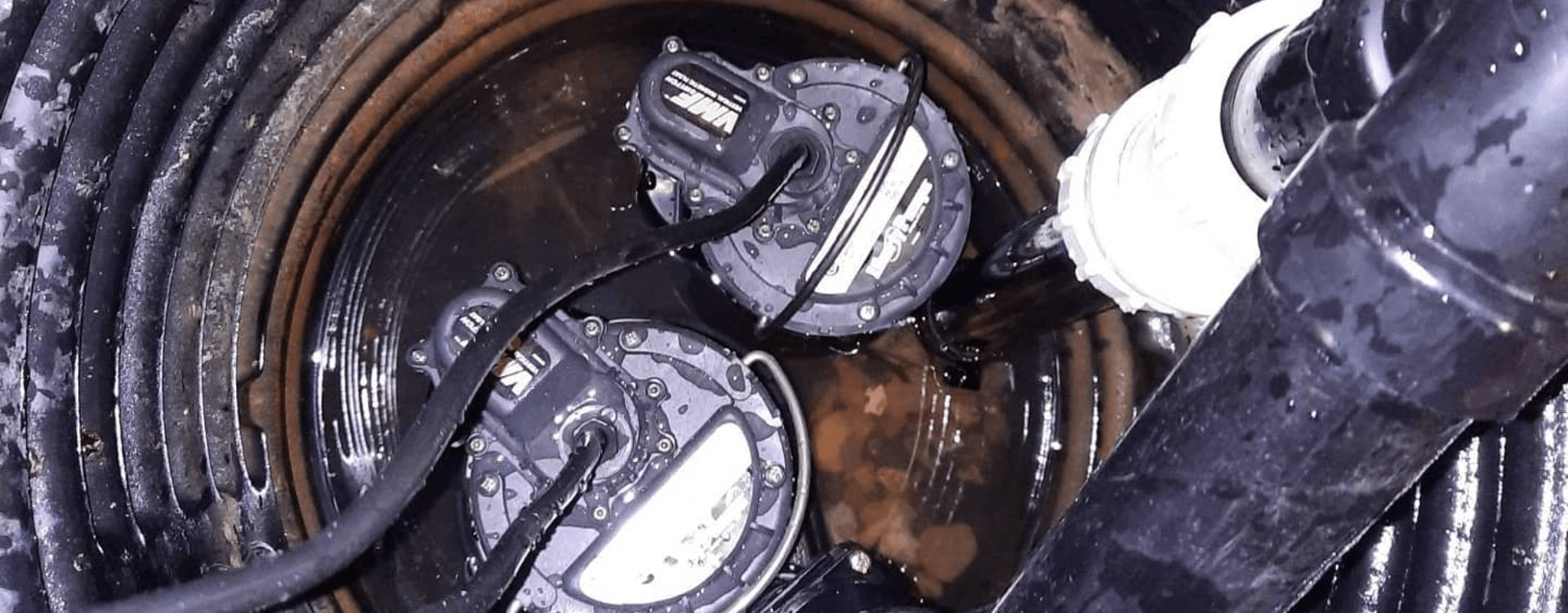

Sump pump cost depends on which of three jobs you actually need: repairing an existing system, replacing a pump in a pit that still works, or installing new flood protection where the basement has none. In Peterborough, where the City offers a flood reduction subsidy for eligible sump work, and in lower-lying homes around the Kawarthas, getting that scope right matters as much as the price. The pump is the most visible part, but it is rarely the only cost.
A straightforward replacement reuses the existing pit, discharge line, check valve location and power supply. A new installation may need concrete cutting, a liner, drainage connections, electrical work, an exterior discharge route and restoration before the pump can protect anything. The most accurate estimate starts with the water problem and the existing setup. Our sump pump team checks the pit, pump, float, check valve, discharge line, power and backup before pricing the work.
In this article, you will learn:
- What sump pump installation, repair and replacement can cost
- Which details push the price up
- When repair is reasonable and when replacement is safer
- How to compare quotes and lower your out-of-pocket cost
What sump pump installation, repair and replacement can cost
No single current Ontario price fits every basement. Labor rates, pump capacity, pit condition, discharge routing, electrical needs, access and backup equipment all change the total. One Canadian research source gives a useful historical baseline, published in 2019, so treat it as context rather than a quote.
The Intact Centre on Climate Adaptation estimated these Canadian ranges in 2019:
- Replacing a sump pump: $350 to $700, with a stated 2 to 7 year life expectancy
- Installing a submersible pump and sump pit: $1,500 or more
- Installing battery backup: $500 to $1,500
- Installing a flood alarm: $75 to $150
- A seasonal plumber maintenance check: $100 to $250
Inflation, equipment, local labor, code requirements and site conditions mean a current written quote may be quite different. Use these ranges to understand relative scale only.
A repair targets one failed part
Repair may mean a float switch, check valve, alarm, connection, blocked intake or discharge obstruction. Labor can exceed the part cost when diagnosis is tricky or water is actively coming in. The estimate should name the failed part and confirm that the motor, pit, wiring and discharge are still sound.
Replacement uses the existing system
Replacement means removing the old pump and installing a correctly sized unit in a usable pit, often with a new check valve, float adjustment, cleaning and a discharge test. The scope changes if the liner is damaged, the pit is too small, the power supply is unsafe, or the line sends water back toward the foundation.
New installation includes everything around the pump
A new system can mean opening the floor, building the pit, connecting foundation drainage, running discharge pipe, adding power and restoring concrete or finishes. Compare it with other plumbing services by scope, not by pump price.
Which details push the price up
The pump must move enough water against the height and resistance of the discharge line. Choosing by horsepower alone can mean a pump that cycles too often or cannot keep up. And if the discharge freezes, clogs or empties beside the foundation, even a strong pump stops protecting the basement.
Expect the quote to account for:
- How much groundwater comes in and the flow needed at the actual lift
- Pit size, depth, liner condition, lid and access
- Float type and operating range
- Check valve, pipe size and fittings
- Discharge length, lift, exterior grade and freezing risk
- Electrical supply, alarm and backup power
- Concrete, flooring and restoration
Capacity must match the water coming in
A pump should be sized from observed inflow, lift, pipe resistance and the manufacturer’s performance curve. Homes near lakes, in low areas or with high spring groundwater may see more inflow than a typical city lot, so capacity should be judged for peak spring and storm conditions.
The discharge line can hide extra work
The line needs a working check valve and a route that carries water away without ice, erosion or recirculation. Ontario’s flood prevention guidance recommends keeping downspouts at least 2 meters from the home and shoveling snow 1 to 1.5 meters away from the foundation, a reminder that managing water outside matters as much as pumping it out inside.
Backup power adds equipment and upkeep
The storms that raise groundwater can also knock out power. A battery backup, secondary pump or generator keeps protection running when the main pump loses power or fails. Backup needs regular testing of the battery, charger, alarm and backup float.
When repair is reasonable and when replacement is safer
Repair makes sense when testing isolates one serviceable part and the rest of the system is healthy. Replacement is easier to justify when the motor is noisy, output has dropped, the housing is damaged or failures keep repeating. Book service when you notice:
- The pump does not start as water rises
- The pump runs but the water level does not drop
- Rapid on-off cycling during one inflow event
- Continuous running after the pit is empty
- Grinding, rattling, humming or vibration
- Water flowing back into the pit after shutoff
- An alarm, tripped breaker, corrosion or burning smell
Turn off power and stay away from the pit if there are exposed wires, overheated equipment or water near electrical parts. Do not keep resetting a breaker or hold the float by hand to force the pump on.
Frequent cycling points to a system problem
Rapid cycling can come from a small pit, a poorly set float, backflow through the discharge or heavy inflow. Installing the same pump again may repeat the problem. A hidden plumbing leak can also add water, so it is worth ruling out with leak detection.
Failure during rain calls for a backup review
If the pump lost power, could not keep up or had no backup, the conversation should include backup, not just a new primary pump. The Intact Centre’s 2023 home flood protection checklist recommends testing sump pumps at least twice a year and extending the discharge at least 2 meters from the foundation.
How to compare quotes and lower your cost
Every quote should describe the same result: how much water the system must move, where it will discharge, what happens in an outage, and how it will be tested. Before choosing, ask:
- Is this a repair, pump replacement, pit upgrade or full new installation?
- How was the pump capacity chosen for this lift?
- Are the pit, lid, float, check valve, discharge line and power included?
- Where will the water go, and how will freezing be prevented?
- What backup pump, battery, alarm or generator option fits the risk?
- Are permits, electrical work, concrete repair, disposal and testing included?
Check subsidy eligibility before work starts
The City of Peterborough’s Flood Reduction Subsidy Program lists subsidies up to $1,500 for an eligible sump pit and pump, and up to $3,000 when combined with an eligible backwater valve and foundation drain disconnection. Some programs need an application and approval before work begins, so confirm the current terms first. A sump pump and a backwater valve protect against different water paths, which is why programs often support both.
Keep sump water out of the sanitary sewer
A sump pump should not discharge into a sanitary sewer where that is prohibited. The City of Kawartha Lakes notes in its water and sewer guidance that just a few full-capacity sump pumps can overload a sanitary sewer sized for more than 200 homes.
Price backup as part of the system
A battery backup quote should state backup pump capacity, battery type, charger, alarm and testing. If you have or plan a standby generator, include the sump pump in the load plan. See our generator services and our guide to preparing your generator for outages.
Frequently asked questions
How long does a sump pump last?
The Intact Centre’s 2019 figures give 2 to 7 years, but it depends on how hard the pump works, water conditions and maintenance.
Do I need a battery backup sump pump?
If your pump runs during storms and you lose power, a backup is worth considering. The more often your pump runs, the more a backup matters.
Can I replace just the pump and keep the pit?
Often, yes, if the pit, liner and discharge line are in good shape. A technician should check them first.
Will the City of Peterborough pay for my sump pump?
The City’s program may cover eligible work up to its limits. Check eligibility and approvals before any work begins.
Get a sump pump quote that covers the whole system
Sump pump cost depends on more than the unit in the pit. Compare written scopes for your property, check funding before work starts, and test both the main and backup pumps on a schedule. Cardinal Home Services handles sump pump diagnosis, repair, replacement and installation in Peterborough and the Kawarthas. See our Peterborough plumbers page or contact us.
Call Cardinal Home Services at 705-745-1221.