


Water is supposed to move away from your house. When it stops doing that, when it pools against the foundation, saturates the yard, or finds its way into the basement, the solution often lives underground. And getting to it means digging.
Excavation services for drainage issues in Peterborough, Ontario are not the kind of work homeowners go looking for. Nobody wakes up hoping to have their yard opened up with heavy equipment.
But when the drainage system that is supposed to protect your foundation has failed, when the grading has shifted over decades and now channels water toward the house instead of away from it, or when a buried pipe has collapsed and turned your side yard into a seasonal swamp, excavation is how it gets fixed properly.
Peterborough’s mix of older homes in established neighbourhoods like East City, the Avenues, and Westmount, along with rural and semi-rural properties on the outskirts, creates a wide range of drainage challenges. Some homes sit on clay-heavy soils that shed water rather than absorbing it. Others have original weeping tile systems from the 1950s or earlier that are cracked, clogged, or collapsed. A few have no perimeter drainage at all, because it was not standard practice when the home was built.
This article explains when drainage problems genuinely require excavation, what the work involves, what it costs in real terms, and how to make sure the job is done right the first time. Not every wet basement needs a backhoe. But when it does, understanding the process takes most of the uncertainty out of a project that can feel overwhelming from the outside.
In this article, you will learn about:
- How to tell when a drainage problem actually requires excavation
- What is happening underground when your foundation stays wet
- The most common drainage repairs that involve digging
- What the excavation process looks like from start to finish
- Protecting your property during and after the work
- How proper drainage pays for itself over the life of the home
Keep reading to understand what is really going on beneath the surface of your Peterborough property and what it takes to fix it for good.
How to tell when a drainage problem actually requires excavation
Not every water problem calls for heavy equipment. Some drainage issues can be resolved with surface grading, downspout extensions, or interior sump pump installations. Excavation becomes necessary when the cause of the problem is buried, inaccessible from inside the home, or structural in nature.
The signs that point to something underground
Surface-level fixes work when the issue is surface-level. But certain patterns indicate that the problem originates below grade, where no amount of regrading or gutter work will reach it.
Persistent dampness or water entry along the base of the foundation walls, especially during spring thaw or after heavy rain, suggests that the perimeter drainage system is not intercepting groundwater before it reaches the concrete. If the dampness shows up at the same spots every time regardless of what you have done above ground, the weeping tile, the waterproofing membrane, or both have likely failed.
Water pooling in the same area of the yard season after season, even after grading corrections, usually means there is a buried drainage path that is blocked or collapsed. The water has nowhere to go because the underground route it was designed to follow no longer functions.
Foundation cracks that are actively leaking, rather than simply present as cosmetic hairlines, often need exterior repair. Sealing a crack from inside the basement can stop the visible water, but it does not address the hydrostatic pressure that caused the crack to leak in the first place. Relieving that pressure means excavating to the footing and addressing the drainage and waterproofing from the outside.
When interior solutions are enough
Interior drainage systems, like an interior weeping tile channelled to a sump pit, can manage water that has already reached the foundation wall. They work well in situations where the water volume is moderate, the foundation is structurally sound, and the homeowner’s primary concern is keeping the basement dry rather than correcting the underlying exterior drainage.
For Peterborough homes where excavation would require removing a driveway, a porch, or significant landscaping on multiple sides of the house, an interior approach may be the more practical first step. A good contractor will evaluate both options and explain the trade-offs honestly.
Excavation is the right call when the problem is too large for interior management, when the foundation itself needs exterior waterproofing, when the weeping tile system needs full replacement, or when the drainage issue is in the yard rather than at the foundation.
What is happening underground when your foundation stays wet
Understanding the mechanics of subsurface water movement helps you evaluate what a contractor is proposing and why. The system that keeps your basement dry is not complicated in concept, but every component has to work for the system as a whole to function.
How perimeter drainage is supposed to work
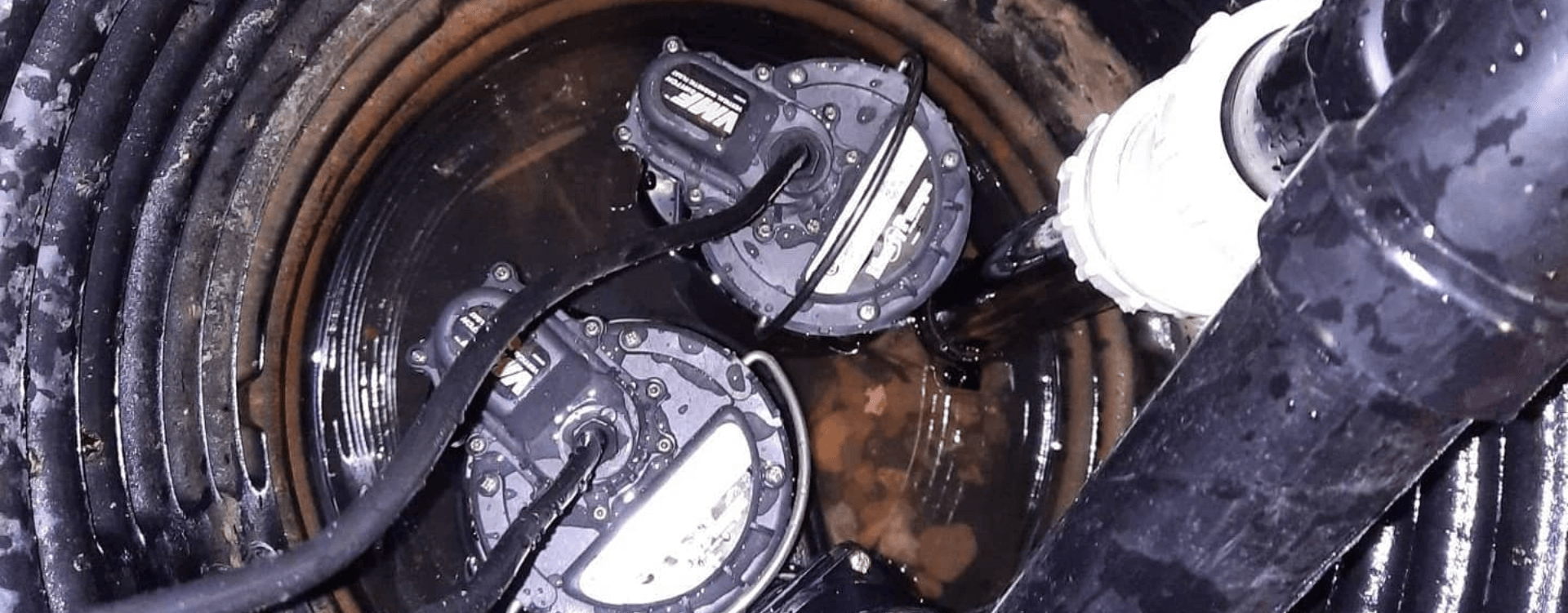
When your home was built, the contractor (ideally) installed a perimeter drainage system around the foundation footings. This system has three jobs: intercept groundwater before it reaches the foundation wall, direct that water to a discharge point away from the house, and relieve hydrostatic pressure that would otherwise push water through cracks and joints in the concrete.
The typical system includes weeping tile (perforated pipe) laid alongside the footing, a layer of clear gravel around the pipe to allow water to flow freely into it, a waterproofing membrane or coating on the exterior face of the foundation wall, and a discharge path that carries the collected water to a sump pit, a storm sewer connection, or a daylight outlet downhill from the home.
When all of these elements are intact, the foundation stays dry even during the heaviest spring melt. When any one of them fails, the water finds the path of least resistance, which is usually through the basement wall or floor.
Why these systems fail in Peterborough homes
Weeping tile does not last forever. The original clay tile systems installed in Peterborough homes built before the 1970s are especially vulnerable. Clay tiles are laid end to end with small gaps between them, and over decades those gaps allow soil and fine sediment to enter the pipe. Eventually the pipe silts up and stops carrying water.
Even newer plastic perforated pipe can fail if it was installed without a filter fabric sock, if the gravel bed was contaminated with fine soil during backfill, or if root intrusion from nearby trees has blocked the pipe.
Waterproofing membranes degrade over time as well. Older homes may have had nothing more than a single coat of tar-based dampproofing on the exterior of the foundation, which cracks and loses adhesion as the concrete moves and ages. Modern waterproofing membranes are far more durable, but they were not available when most of Peterborough’s older housing stock was built.
Soil conditions play a role too. Much of the Peterborough area has clay-rich soils that hold water rather than draining it. Clay soils expand when wet and contract when dry, which creates seasonal movement that can shift weeping tile, crack foundation walls, and change the grading around the home over time. According to Natural Resources Canada, soil composition and groundwater conditions vary across southern Ontario and directly influence how subsurface water interacts with residential foundations.
The most common drainage repairs that involve digging
When excavation is the right solution, the scope of work depends on what has failed and how much of the perimeter is affected. Some jobs require digging along one wall. Others require full perimeter access. Here are the most common scenarios Peterborough homeowners face.
Weeping tile replacement
This is the most frequent reason for drainage excavation around an older Peterborough home. The existing weeping tile has silted up, collapsed, or been crushed by soil pressure, and it needs to be removed and replaced with modern perforated pipe, proper filter fabric, and a clean gravel bed.
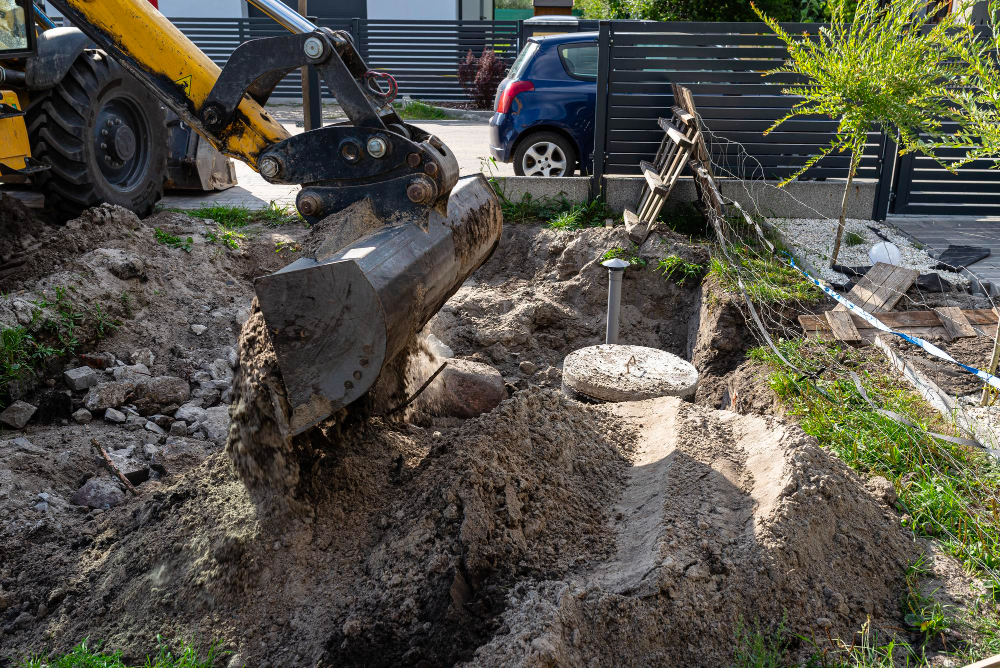
The work involves excavating a trench along the affected section of the foundation, down to the level of the footing. The old tile and contaminated gravel are removed, the footing area is cleaned, new pipe is laid with the correct slope to a discharge point, and clean gravel is placed around the pipe before backfill.
If the waterproofing membrane on the foundation wall has also failed, this is the time to address it, because the wall is already exposed. Recoating or applying a new membrane while the trench is open avoids having to excavate again in five or ten years for a problem you could have fixed in the same visit.
Foundation waterproofing from the exterior
Some homes have functioning weeping tile but still get water through the foundation wall because the waterproofing has deteriorated. Tar-based dampproofing applied during construction in the 1950s through the 1970s has a limited lifespan and often shows up as a flaky, brittle residue on the exterior face of the concrete when the wall is exposed.
Exterior waterproofing involves excavating to the footing, cleaning the foundation wall, repairing any cracks with hydraulic cement or injection depending on the crack type, and applying a modern rubberized membrane that bridges hairline cracks and resists soil chemicals. A drainage board is often placed over the membrane to protect it during backfill and to create an additional channel for water to reach the weeping tile.
This is a more durable solution than interior crack injection alone, because it stops water at the source rather than managing it after it has already reached the interior face of the wall.
French drain installation for yard drainage
Not all drainage excavation involves the foundation. Properties with persistent yard drainage problems, low spots that hold standing water, or areas where runoff from neighbouring lots flows onto the property may need a French drain system installed in the yard itself.
A French drain is a gravel-filled trench with a perforated pipe at the bottom that intercepts subsurface and surface water and redirects it to a suitable discharge point. The trench is typically 12 to 24 inches deep depending on the severity of the problem and the soil conditions.
French drains are effective for:
- Redirecting water that collects between two properties on a shared slope
- Draining low spots in the yard that do not dry out on their own
- Intercepting runoff before it reaches the foundation
- Managing water behind retaining walls
For Peterborough properties with clay-heavy soil, a French drain can make a dramatic difference in yard usability and foundation protection. The key is proper slope, adequate gravel, filter fabric to prevent soil contamination of the pipe, and a discharge point that does not simply move the problem to another part of the property.
Sewer lateral replacement and main drain repair
Sometimes the drainage issue is not groundwater at all. A collapsed or broken sewer lateral, the buried pipe that connects your home to the municipal sewer, can leak wastewater into the surrounding soil and create persistent wet areas, odours, and even sinkholes in the yard.
Replacing a sewer lateral requires excavation from the house to the municipal connection at the street or property line. The depth can range from three to eight feet depending on the location, and the work often involves removing and replacing sections of driveway, walkway, or landscaping.
This type of excavation overlaps with both drainage and plumbing, and it is best handled by a contractor with experience in both. A camera inspection of the sewer lateral through the interior cleanout can confirm whether the pipe is the source of the problem before any digging begins.
What the excavation process looks like from start to finish
If you have never had excavation work done on your property, the prospect can feel intimidating. Knowing what to expect at each stage takes the uncertainty out of the project.
Assessment and planning before anything is dug
A responsible contractor starts with a thorough assessment of the problem before proposing excavation. This should include an interior inspection of the basement to map where water is entering and how severe the issue is, an exterior walkthrough to evaluate grading, downspout discharge locations, and visible drainage paths, and in many cases a camera inspection of existing weeping tile or sewer lines to determine their condition without digging first.
The assessment should result in a clear explanation of what the contractor found, what work is recommended, and why excavation is necessary rather than a less invasive approach. If a contractor proposes digging without first explaining what they expect to find and why alternatives will not work, get a second opinion.
Before digging begins, the contractor will call Ontario One Call to have underground utilities located and marked. Hydro, gas, water, sewer, and telecom lines all run through residential properties, and hitting one during excavation creates safety risks and costly repairs. This step is legally required and non-negotiable.
The dig, the repair, and the backfill
Once the site is prepared, the contractor excavates the trench along the foundation wall or across the yard, depending on the scope of work. For foundation drainage, this means going down to the footing, which can be six to eight feet deep on a full basement home.
The exposed foundation is cleaned and inspected. Any cracks are repaired. Waterproofing is applied. New weeping tile is installed with proper gravel bedding and filter fabric. The discharge path is connected and confirmed. Then the trench is backfilled in lifts, compacted at intervals to prevent settling, and the surface is restored.
The timeline for a typical single-wall drainage repair is two to four days depending on access, soil conditions, and weather. A full perimeter job on a larger home can take a week or more. Weather is a real factor in Peterborough. Excavation in saturated clay soil is slower and more difficult than in well-drained sandy soil, and a heavy rain mid-project can cause delays.
What gets disturbed and what gets restored
Excavation is inherently disruptive to the surface of your property. Depending on where the trench runs, the project may affect:
- Landscaping, gardens, and plantings along the foundation
- Walkways, patios, or sections of driveway
- Fencing if it runs along the foundation perimeter
- Outdoor taps, electrical outlets, or AC condenser units near the foundation
A good contractor discusses all of this during the planning phase and includes surface restoration in the scope of work. Landscaping and sod can be replaced once the backfill has settled. Hardscaping like concrete walkways may need to be recut and repoured.
Asking about restoration before the contract is signed avoids surprises at the end of the project. Some contractors include full restoration in their price. Others treat it as a separate scope. Either way, it should be documented.
Protecting your property during and after the work
Excavation work is temporary, but the results need to last for decades. A few considerations during and after the project protect your investment and prevent the same problem from returning.
Make sure the backfill is done right
Improper backfill is one of the most common reasons drainage repairs fail prematurely. If the trench is filled with the same clay soil that was removed, that clay will hold water against the very membrane you just installed. The first two to three feet of backfill closest to the foundation should be clean, free-draining granular material. Native soil can be used for the upper portion of the trench where it is further from the wall.
Compaction matters too. Backfill that is dumped in without compaction will settle unevenly over the following months, creating depressions that hold water and direct it back toward the foundation. Proper backfill is placed in lifts and compacted at each level.
Regrading to direct surface water away
Once the excavation is complete and the trench is filled, the final grade around the home should slope away from the foundation at a minimum fall of about 5 percent over the first two metres. This is a requirement under the Ontario Building Code for new construction, and it applies equally to drainage repair projects where the grading is being re-established.
If the grading was part of the original problem, simply filling the trench back to the old grade will recreate the issue. The contractor should establish positive drainage away from the home as part of the restoration, and homeowners should maintain that grade over time by adding soil as settling occurs.
Monitor the repair through the first year
Backfill settlement, soil compaction, and surface drainage patterns all stabilize over the first 12 months after excavation. During that period, watch for:
- Depressions forming along the trench line that could pool water
- Cracks or gaps opening between the backfill area and adjacent hardscaping
- Any recurrence of moisture in the basement at the locations that were repaired
If you notice settling or drainage concerns during the first year, address them promptly with additional soil, compaction, or grading corrections. Most of these are minor maintenance items, not signs that the repair failed. The underground work holds. It is the surface that needs time to settle.
How proper drainage pays for itself over the life of the home
Drainage excavation is a significant investment, and it is natural to weigh the cost against the severity of the problem. But the comparison that matters is not the cost of the excavation versus doing nothing. It is the cost of the excavation versus the cumulative cost of the damage that a failed drainage system causes over the years.
Foundation damage gets worse, not better
Water against a foundation does not reach an equilibrium and stop. It continues to erode morite joints in block foundations, widen cracks in poured concrete, and increase hydrostatic pressure every time the water table rises. A crack that leaks a trickle this spring will leak more next spring, and the spring after that.
According to the Insurance Bureau of Canada, water damage is consistently one of the most common and costly categories of home insurance claims in Ontario. The IBC recommends maintaining proper lot grading, functional weeping tile, and working sump pumps as essential steps in reducing flood risk, all of which are addressed during a drainage excavation project.
Structural foundation repair, which becomes necessary when drainage-related damage is left unchecked, costs significantly more than the drainage repair that would have prevented it.
Basement usability and property value
A dry basement is usable space. A wet basement is a liability. In Peterborough’s real estate market, where finished basements contribute to the livable square footage of a home, chronic moisture problems reduce the property’s value and complicate every transaction.
Buyers and home inspectors in Ontario routinely flag basement moisture issues, and a history of water entry without evidence of repair raises concerns about foundation integrity, hidden damage, and future costs. A completed drainage repair with documentation, including before and after photos and a record of the work performed, gives both the current homeowner and any future buyer confidence in the property.
The long-term math favours prevention
A properly installed perimeter drainage system with modern materials, correct grading, and a functional sump pump discharge can protect a foundation for 30 years or more. Spread over that lifespan, the annual cost of the excavation is modest compared to even one serious water damage event.
For Peterborough homeowners dealing with recurring basement moisture, persistent yard drainage problems, or a foundation that leaks every spring, the question is not whether to fix the drainage. It is how long you want to keep managing the symptoms before addressing the cause.
Conclusion
Drainage issues that require excavation are not small projects, but they solve problems that no surface-level repair can reach. When the weeping tile has failed, the waterproofing has deteriorated, or the yard drainage has nowhere to go, the fix lives below grade, and the only way to get to it is to dig.
Peterborough’s clay soils, aging housing stock, and seasonal water table fluctuations create conditions where drainage failures are common and progressive. The homeowners who catch the problem early and address it with a properly planned excavation avoid the compounding damage that comes from deferring the work year after year.
Cardinal Home Services provides excavation services for drainage repair, foundation waterproofing, and outdoor plumbing across Peterborough and the surrounding region. If your property has a drainage problem that surface-level solutions have not resolved, one call is enough to get a technician on site to assess what is happening underground and lay out the options for fixing it properly.