


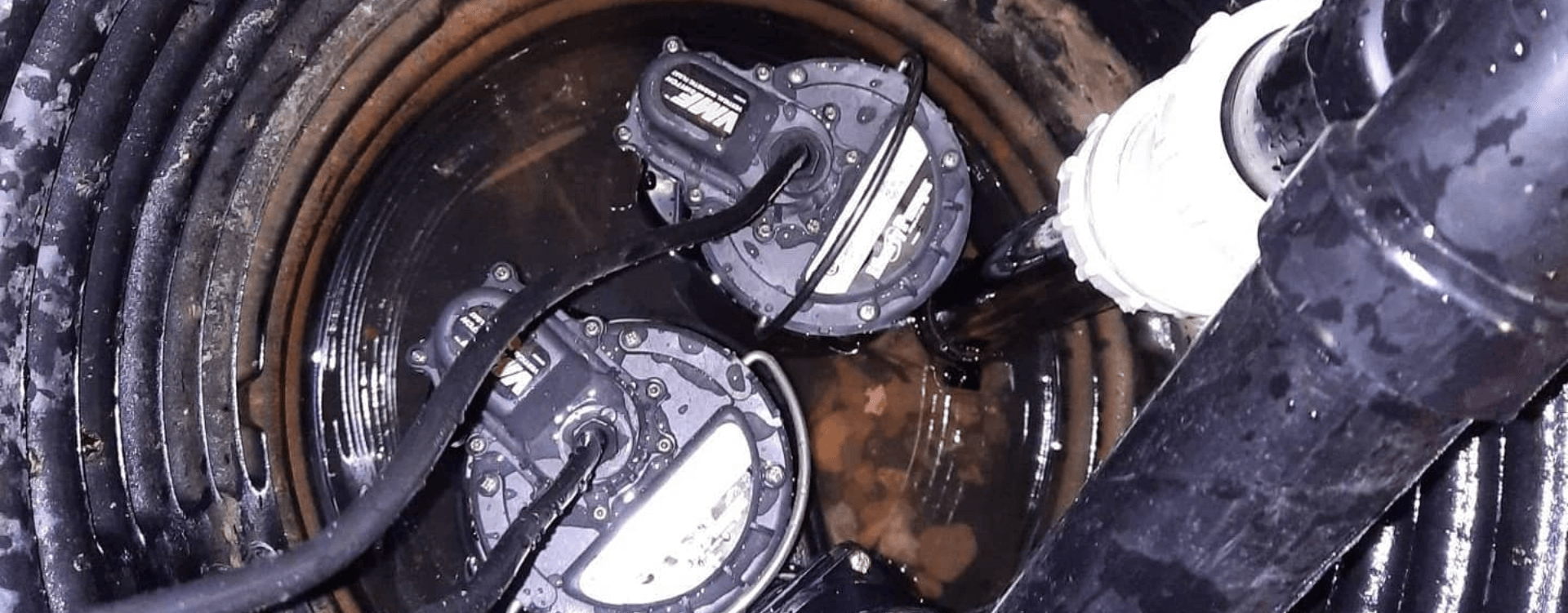
You cannot fix what you cannot see, and your main drain is one of the most important parts of your home that you will never lay eyes on without the right equipment. It runs underground from your house to the municipal sewer or septic tank, handling every drop of wastewater your household produces, and it does this job entirely out of sight. Most homeowners in Kawartha Lakes never think about it until something goes wrong, and by that point the damage is already happening.
Main drain inspection benefits in Kawartha Lakes, Ontario come down to a simple principle: a camera inside the pipe today prevents sewage inside the basement tomorrow. A professional inspection shows you exactly what is happening in the line, whether that is root intrusion, grease buildup, a cracked section, or a belly where water and sediment are collecting. Each of these problems gets worse over time, never better, and each one is dramatically cheaper to address when it is caught early.
Kawartha Lakes covers a wide geography, from the urban areas around Lindsay to the lakefront communities of Fenelon Falls, Bobcaygeon, and Coboconk, and the rural properties that stretch between them.
The housing stock ranges from century homes with original clay tile drains to newer builds with modern PVC. Mature trees line streets and lots across the municipality, and the seasonal freeze-thaw cycles that define a Kawartha winter are hard on buried pipes regardless of what they are made from. All of this makes proactive drain inspection more valuable here than homeowners might assume.
This article explains what a main drain inspection actually involves, what it reveals, how it saves money, and when it makes the most sense to schedule one.
In this article, you will learn about:
- What a camera inspection actually shows you about your main drain
- The problems that hide inside Kawartha Lakes drain lines
- How catching a problem early changes the cost of fixing it
- When an inspection makes the most sense for your property
- What happens during the appointment
- Using inspection results to plan ahead instead of reacting to emergencies
Keep reading to understand why the best time to find out what is inside your main drain is before it backs up into your home.
What a camera inspection actually shows you about your main drain
A main drain inspection is not guesswork and it is not a general assessment. It is a real-time video feed from inside the pipe that shows the technician, and you, exactly what is happening along every metre of the line.
How the technology works
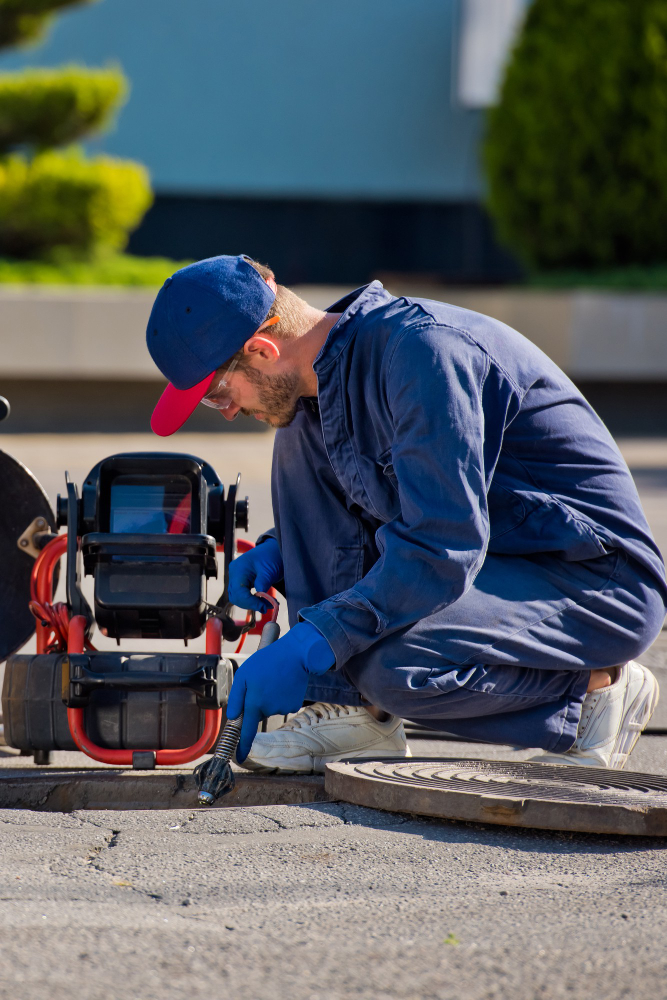
The technician feeds a flexible, waterproof camera attached to a push rod into the main drain through the cleanout access point, usually located in the basement or on the exterior of the home near the foundation. The camera transmits a live video image to a monitor at the surface as it travels through the pipe.
The image shows the interior walls of the pipe, the joints where sections connect, any obstructions or buildup, and the overall condition of the line from the house to the municipal connection or septic tank. Most modern inspection cameras also include a locating transmitter that allows the technician to mark the exact position and depth of any problem from above ground, which is critical information if a repair requires digging.
The entire inspection typically takes 30 to 60 minutes depending on the length of the line and what the camera encounters along the way.
What you see versus what you would never know otherwise
Without a camera, the only way to assess a main drain is by its symptoms. Slow drains, gurgling, and odours tell you something is wrong, but they do not tell you what, where, or how far the problem has progressed. A camera eliminates all of that guessing.
The inspection can reveal conditions that produce no symptoms at all yet. A tree root that has just entered a joint but has not yet restricted flow. A crack in a clay tile section that is stable now but will widen with the next freeze cycle. A layer of grease coating the pipe walls that is still thin enough to let water pass but thick enough to catch debris. These are the findings that make a camera inspection valuable, because they give you the chance to act before the pipe tells you about the problem by backing up into the house.
The problems that hide inside Kawartha Lakes drain lines
Every main drain develops issues over time. The question is not whether your line has something going on. The question is what it is, how advanced it is, and whether it needs attention now or can be monitored. A camera inspection answers all three.
Root intrusion at the joints
This is the most common finding in older Kawartha Lakes homes, and it is the one that benefits most from early detection. Tree roots enter drain pipes through gaps at the joints, and once inside they grow rapidly in the warm, nutrient-rich environment.
A root mass that a camera catches at an early stage, a few fine roots trailing through a joint, can usually be cleared with a mechanical snake or hydro jetter during a routine main drain cleaning. The same root mass left for two or three more years can grow large enough to fracture the pipe, require excavation to access, and cost ten times as much to resolve.
Properties in Lindsay’s older neighbourhoods, where mature maples and elms line the streets, are especially susceptible. So are lakefront lots in Fenelon Falls and Bobcaygeon where willows and poplars grow close to the drain path.
Cracks, fractures, and joint separation
Kawartha Lakes winters put buried pipes through significant thermal stress. The ground freezes deep, expands, and then contracts again during the spring thaw. This annual cycle shifts soil around the pipe and can crack rigid materials like clay tile and older concrete.
A camera inspection identifies three levels of pipe damage:
- Hairline cracks that are stable and not yet allowing infiltration or root entry, which can be monitored with periodic re-inspection
- Fractures where a section of pipe wall has shifted or broken but the pipe is still mostly intact, which usually warrants targeted repair before the next winter makes it worse
- Joint separation where two pipe sections have pulled apart far enough to create an open gap, which is an active entry point for roots, soil, and groundwater and needs repair
Knowing which category your pipe falls into determines whether you need immediate action, planned repair within the next year, or simply a follow-up inspection down the road.
Bellied sections and grade problems
A belly in a drain line is a low spot where the pipe has sagged below the intended grade. Water and sediment collect in the depression rather than flowing through, and over time the buildup narrows the effective diameter of the pipe.
Bellies are caused by soil settlement, improper bedding during original installation, or erosion under the pipe from groundwater movement. They are invisible from above ground and usually produce no symptoms until the buildup in the low spot is significant enough to restrict flow.
A camera inspection reveals the location and severity of the belly, which tells the technician whether the line can be cleaned and monitored or whether the section needs to be excavated and relaid at the correct grade. Catching a belly before it causes chronic blockages saves the homeowner from repeated cleaning bills that treat the symptom without addressing the cause.
Grease, scale, and buildup along the pipe walls
Even in a household that is careful about what goes down the drain, some amount of grease, soap residue, and mineral scale will accumulate on the interior walls of the main drain over years of use. The buildup is gradual and usually does not produce noticeable symptoms until it has reduced the pipe’s capacity by a significant percentage.
A camera shows the extent and location of the buildup, which allows the technician to recommend targeted cleaning, identify areas where the buildup is heaviest, and advise on whether the accumulation rate suggests a need for periodic maintenance cleanings on a set schedule.
How catching a problem early changes the cost of fixing it
The financial case for main drain inspections is built on the gap between the cost of early intervention and the cost of emergency response. That gap is large enough to make inspections one of the highest-return maintenance investments a homeowner can make.
The inspection-to-repair cost comparison
A professional camera inspection costs a fraction of any repair it might lead to. But the real savings are not in the inspection fee itself. They are in the difference between the repair cost when a problem is caught early and the repair cost when it is caught after a backup or a collapse.
A few examples illustrate the range:
- Root intrusion caught early and cleared with a mechanical snake or jetter costs significantly less than root intrusion that has fractured the pipe and requires excavation and pipe replacement
- A grease buildup identified and cleaned before it causes a blockage is a routine service call, while a grease blockage that backs sewage into the basement adds remediation, drywall repair, and potentially damaged belongings to the bill
- A cracked joint repaired with a targeted spot repair is a fraction of the cost of replacing a full run of pipe after the crack has allowed soil infiltration and the line has partially collapsed
In every scenario, the camera inspection is what makes early intervention possible. Without it, the homeowner finds out about the problem when it becomes an emergency.
The insurance angle most homeowners do not consider
According to the Insurance Bureau of Canada, sewer backup damage in a basement is only covered by home insurance if the homeowner has purchased specific optional sewer backup coverage. Even with that coverage in place, claims resulting from deferred maintenance can be contested.
A documented history of main drain inspections demonstrates that the homeowner was actively monitoring the system and taking reasonable steps to prevent failure. This does not guarantee a claim will be approved, but it removes one of the most common grounds for dispute, the argument that the homeowner knew or should have known about a developing problem and did nothing.
The inspection record also provides baseline documentation of the pipe’s condition at a specific point in time, which is valuable if a future claim requires evidence of when damage occurred relative to when the policy was in force.
Protecting property value with a known-good drain line
In Kawartha Lakes, where many property transactions involve older homes and cottage properties, the condition of the main drain is increasingly part of the buyer’s due diligence. A home inspection can flag symptoms of a drain problem, but a camera inspection provides actual visual evidence of the pipe’s interior condition.
Sellers who can provide a recent camera inspection report with clean results are in a stronger negotiating position than those who cannot. Buyers who order an inspection before closing avoid inheriting a drain problem that could cost thousands to resolve after the sale.
For both parties, the inspection creates transparency. And in real estate, transparency protects everyone.
When an inspection makes the most sense for your property
A camera inspection is valuable at any time, but certain situations make it especially high-return. Knowing when to schedule one helps you get the most benefit from the investment.
Before you buy a property
This is the single highest-value timing for a main drain inspection. A standard home inspection does not include a camera inspection of the drain line, and the symptoms of a developing problem can be subtle enough to miss during a walkthrough.
For properties in Kawartha Lakes, especially older homes in Lindsay, heritage properties near the lakes, and cottages that have been in the same family for decades, the main drain may be the original clay tile installed when the house was built. Knowing its condition before you close eliminates one of the biggest unknown liabilities in any real estate transaction.
After repeated slow drains or a backup event
If you have already experienced a sewer backup or if multiple drains in the house have been sluggish, a camera inspection is the logical next step after the immediate blockage is cleared. Clearing a blockage restores flow, but it does not tell you why the blockage formed or whether the conditions that caused it are still present.
The camera answers those questions. If roots caused the backup, the inspection shows how extensive the intrusion is and whether the pipe is damaged. If grease or debris caused it, the inspection reveals how much buildup remains in the line after cleaning. This information determines whether a single cleaning is sufficient or whether a follow-up repair is needed to prevent recurrence.
On a schedule for properties with known risk factors
Some Kawartha Lakes properties carry higher risk for main drain problems than others. If your home has any of the following characteristics, scheduling a camera inspection every two to three years is a reasonable preventive measure:
- Mature trees within five metres of the drain path
- Original clay tile or concrete pipe that has never been replaced
- A previous history of root intrusion or blockages
- A septic system rather than a municipal sewer connection
- An unknown drain line material or routing, common in older properties with no documentation
For properties without these risk factors, an inspection every five years or at the time of a real estate transaction is typically sufficient.
Before major landscaping or construction
If you are planning to add a driveway, build an addition, install a pool, or plant large trees on your Kawartha Lakes property, a camera inspection of the main drain before the work begins protects you from accidentally damaging the line and confirms that the pipe is in condition to handle any changes in load or routing that the project might create.
It is far easier and cheaper to identify and address a drain issue before heavy equipment is on site and the yard is torn up than to discover a broken pipe in the middle of a construction project.
What happens during the appointment
A main drain inspection is a straightforward process that most homeowners find less disruptive than they expected. Here is what the visit looks like from start to finish.
Access and setup
The technician locates the main drain cleanout, which is the access point where the camera enters the pipe. In most Kawartha Lakes homes, this is either a capped pipe in the basement floor, a cleanout fitting on the main drain stack in the basement, or an exterior cleanout near the foundation wall.
If the home does not have an accessible cleanout, one may need to be installed before the inspection can proceed. This is a relatively simple addition that pays for itself many times over by making future inspections and cleanings faster and less invasive.
The technician sets up the camera reel and monitor near the access point. The process does not require entering any living spaces beyond the basement in most cases.
The inspection itself
The camera is fed into the pipe and advanced slowly toward the municipal connection or septic tank. The technician watches the live feed and narrates what the camera is showing, noting the location of joints, the condition of the pipe walls, any obstructions or buildup, and the depth and position of any findings using the locating transmitter.
The entire process is recorded so you have a permanent record of the pipe’s condition at that point in time. Most inspections take 30 to 60 minutes depending on the length of the line and how much the camera encounters along the way.
What you get when it is done
After the inspection, the technician should walk you through the key findings and explain what each one means in practical terms.
A complete inspection report includes:
- Video footage of the full inspection, usually provided digitally
- Identification and location of any issues found, including distance from the cleanout and depth below grade
- An assessment of overall pipe condition and material type
- Recommendations for any needed cleaning, repair, or monitoring
- A suggested timeline for follow-up based on what was found
This report is the foundation for any future maintenance or repair decisions. It removes the guesswork and gives you a clear picture of where your main drain stands.
Using inspection results to plan ahead instead of reacting to emergencies
The real value of a main drain inspection is not just the findings from one visit. It is the ability to make informed decisions about your property’s drainage infrastructure over time, rather than reacting to failures as they happen.
Building a maintenance schedule from real data
If the inspection reveals root intrusion, you now know how aggressive the roots are and can schedule main drain cleaning at intervals that stay ahead of regrowth. If it reveals grease buildup, you know which section of the line accumulates the fastest and can target cleaning there rather than treating the whole line. If the pipe is clean and in good condition, you know you can extend the interval before the next inspection rather than worrying about an unknown.
Each subsequent inspection builds on the previous one, creating a longitudinal view of how the pipe is aging and how quickly conditions are changing. This is the kind of information that turns reactive plumbing expenses into planned, budgetable maintenance.
Prioritizing repairs based on severity
Not every finding on a camera inspection requires immediate action. The technician’s report should distinguish between conditions that need repair now, conditions that should be addressed within the next year or two, and conditions that can be monitored with periodic re-inspection.
A homeowner who knows that a joint is starting to separate can budget for a targeted repair this year rather than being surprised by a collapse next year. A homeowner who knows the pipe is in good condition except for one section of grease buildup can schedule a cleaning and then adjust household drain habits to slow the recurrence.
This prioritization is only possible with the information the camera provides. Without it, every drain problem is a surprise, and surprises are always more expensive than planned work.
When inspection leads to a bigger conversation
Sometimes the camera reveals conditions that require more than cleaning or spot repair. A pipe that is extensively cracked, a line that has multiple bellied sections, or a system where root intrusion is so widespread that repeated cleaning is no longer cost-effective may warrant full pipe replacement through excavation or a trenchless relining method.
These are significant projects, but they are far less stressful when they are planned rather than forced by an emergency backup. The camera inspection gives you the lead time to get quotes, choose a contractor, schedule the work for a convenient season, and budget for the expense rather than scrambling to find someone available on a Saturday night while sewage is rising in the basement.
For Kawartha Lakes homeowners dealing with older drain infrastructure, this lead time is one of the most practical benefits an inspection provides.
Conclusion
Your main drain is going to tell you about its condition eventually. It will either tell you through a camera inspection on your schedule, or it will tell you through a backup on its schedule. One of these options involves a technician, a monitor, and a report. The other involves sewage, emergency service rates, and a restoration bill.
The homeowners in Kawartha Lakes who avoid sewer backups are not lucky. They are the ones who looked inside the pipe before the pipe gave them a reason to. A camera inspection is a small investment that reveals the current condition of one of the most critical and most hidden systems in your home, and it gives you the information to protect your property rather than reacting to damage after it happens.
Cardinal Home Services provides main drain camera inspections, sewer line inspection, and full drain cleaning service across Kawartha Lakes, Peterborough, and the surrounding region. If you have never had your main drain inspected, or if symptoms are starting to appear, one call gets a technician to your property with the camera and the experience to show you exactly what is happening inside the line.