


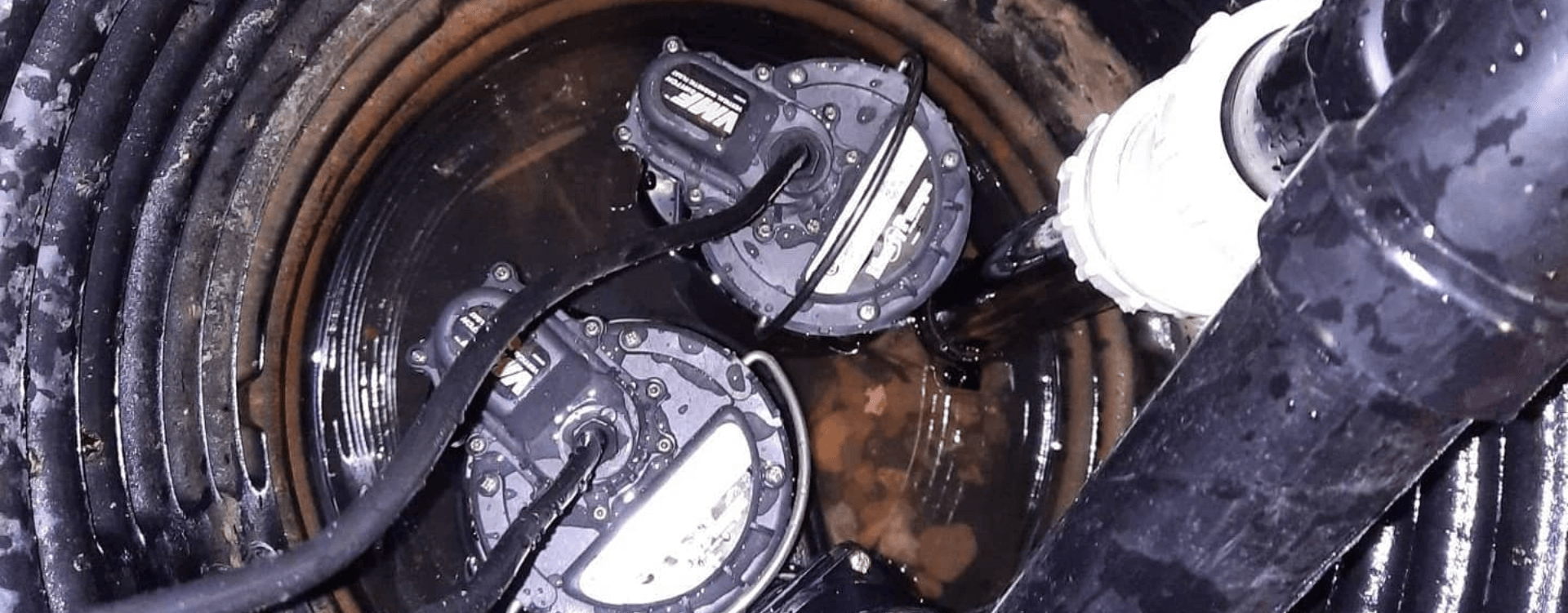
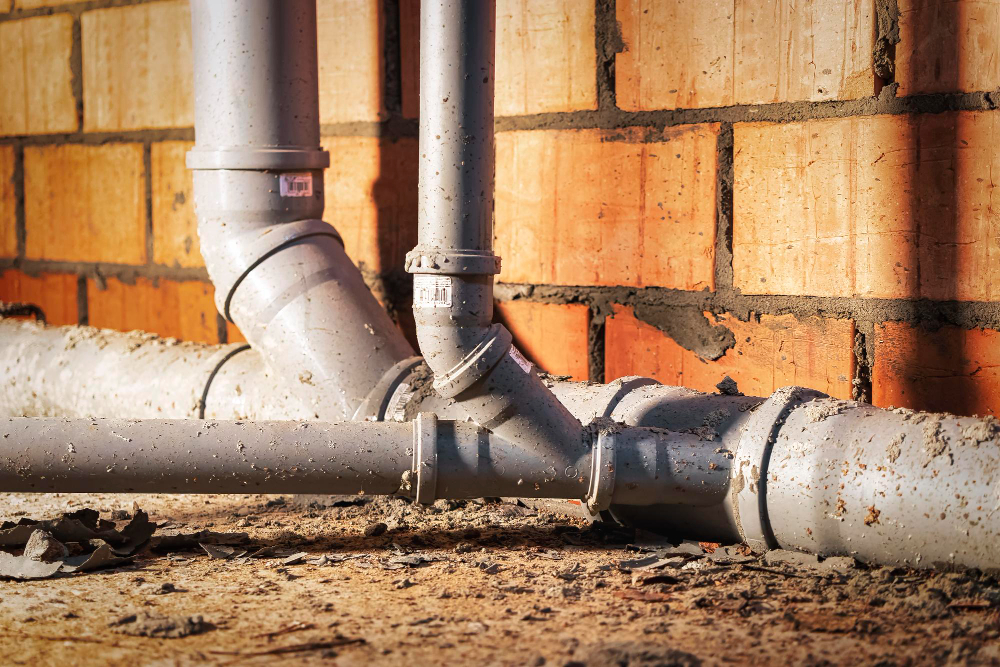
Main drain cleaning in Peterborough is the service that addresses the single pipe responsible for carrying every drop of wastewater from the house to the municipal sewer. When that pipe narrows, obstructs, or fails, nothing inside the house drains properly. The kitchen sink, the showers, the toilets, and the basement floor drain all feed into the main drain, and when it cannot move the volume the household produces, the wastewater backs up into the lowest fixture in the house.
In this article, you will learn how a main drain narrows progressively until a single heavy-use day triggers a backup, why Peterborough’s sewer infrastructure adds external pressure that the homeowner cannot control, how tree roots become the most common cause of an urgent main line cleaning, why the choice of cleaning method matters for older pipe materials, and what habits and scheduling keep the main drain open between professional visits.
Let’s break down the key points you should consider.
- The main drain does not clog all at once. It narrows until one heavy-use day pushes it over
- In Peterborough the sewer infrastructure adds pressure the homeowner cannot control
- Tree roots are the most common reason a main sewer line cleaning becomes urgent
- The cleaning method matters because the wrong one can damage what it is trying to fix
- The habits and timing that keep the main drain open between professional cleanings
Keep reading to understand what is building inside your main drain and how to address it before it reaches the basement floor.
The main drain does not clog all at once. It narrows until one heavy-use day pushes it over
A main drain blockage feels sudden when sewage comes up through the floor drain or the basement toilet, but the conditions that caused it were developing over weeks, months, or even years. The pipe narrows gradually, and the household adjusts to the reduced capacity without realizing it until a day of heavy water use exceeds what the restricted pipe can handle.
Grease, soap residue, and debris coat the pipe wall a little more with every flush and rinse
Every time the kitchen sink drains, a small amount of grease, soap, and food residue enters the main drain with the wastewater. Over time, this material coats the interior pipe wall in layers. Each layer hardens slightly before the next one is deposited on top of it, and the effective diameter of the pipe shrinks incrementally.
In a main drain that runs 15 to 30 metres from the house to the municipal sewer connection, the buildup often concentrates at points where the pipe changes direction, where the slope flattens, or where a joint creates a small ledge on the interior surface. These concentration points become the seed locations for a full blockage.
The buildup is invisible from inside the house. The drains work normally for months while the pipe narrows, and the homeowner has no indication that the capacity is declining until a day of laundry, showering, and dishwashing produces enough wastewater to exceed the reduced opening. That is the day the backup happens.
A floor drain that gurgles when the washing machine empties is already partially blocked
Gurgling at a floor drain or a toilet when another fixture is draining is one of the most reliable early indicators of a main drain restriction. Under normal conditions, air flows freely through the vent system as water moves through the drain pipes, and no sound is produced at fixtures that are not in use.
When the main drain is partially obstructed, the water flowing past the obstruction creates pressure changes in the system. Air is pushed through the nearest available trap, which produces the gurgling sound. The floor drain and the toilet are the most common fixtures to produce this symptom because they are the lowest fixtures in the system and their traps are the easiest for displaced air to push through.
If you hear gurgling at a floor drain or toilet when the washing machine empties, the shower runs, or the kitchen sink drains a large volume, the main drain is partially blocked and the restriction is getting worse. Scheduling drain cleaning at this stage prevents the full backup that will follow if the obstruction continues to grow.
Early warning signs that the main drain is narrowing:
- Gurgling or bubbling at floor drains or toilets when other fixtures are draining
- Water rising briefly in the basement floor drain when the washing machine cycles
- A foul odour near the basement drain that was not present previously, indicating the trap seal is being disturbed by pressure changes
- Multiple drains slowing simultaneously rather than a single fixture draining slowly on its own
The backup that seems sudden usually started building months before the water came up
A sewer backup that sends wastewater through the basement floor drain or toilet feels like a sudden failure. In nearly every case, the obstruction that caused it was building for months. The pipe had enough remaining capacity to handle normal daily use, but not enough to handle the peak demand of a heavy-use day.
Understanding this pattern is important because it changes how the homeowner responds. A backup is not a one-time event that will not happen again on its own. It is the culmination of a progressive buildup that will recur unless the pipe is properly cleaned and the underlying cause is addressed.
A plumber who clears the immediate blockage and then performs a camera inspection can determine whether the obstruction was grease, roots, debris, or a structural issue in the pipe. That diagnosis determines whether a standard cleaning will prevent recurrence or whether a more permanent repair is needed.
In Peterborough the sewer infrastructure adds pressure the homeowner cannot control
The municipal sewer system that receives wastewater from Peterborough homes has its own capacity limits, and those limits affect what happens at the homeowner’s end of the connection. During certain conditions, the municipal system itself can contribute to or worsen a backup event.
Sanitary sewers built in the 1960s were not sized for the volume running through them now
Peterborough’s older residential neighbourhoods were developed with sanitary sewer infrastructure that was designed for the population density and water use patterns of the era. Many of these sewer mains have been in continuous service for 50 to 60 years, serving neighbourhoods that have densified through lot severances, additions, and basement apartment conversions that increase the number of occupants per lateral connection.
The increased volume running through aging mains creates higher baseline flow levels in the system. During periods of normal use, this may not produce any visible effect at the homeowner’s end. During periods of peak demand, such as morning rush hours in dense neighbourhoods, the municipal main runs closer to capacity, and a homeowner with a partially obstructed lateral may experience slower drainage or a backup that would not occur during lower-demand hours.
The homeowner cannot control the condition or capacity of the municipal sewer main. What the homeowner can control is the condition of the lateral, which is the pipe that connects the house to the municipal main. Keeping the lateral clean and structurally sound is the homeowner’s primary defence against the effects of a strained municipal system.
Spring thaw and heavy rain push stormwater into the system and the main line feels it first
In areas of Peterborough where the sanitary and storm sewer systems are combined, or where groundwater infiltration enters the sanitary system through aging pipe joints and manholes, heavy rain events and spring snowmelt increase the volume in the sewer system beyond what it was designed to handle.
When the municipal sewer surcharges, the pressure in the main can push wastewater backward through the lateral and into the house. The basement floor drain and the lowest fixtures are the entry points for this backflow, and the result is sewage on the basement floor from a source that has nothing to do with the homeowner’s own plumbing.
According to the City of Peterborough, the municipality manages its sewer infrastructure to reduce the frequency and severity of surcharge events, but the homeowner’s responsibility for the lateral and the interior plumbing remains with the property owner.
Sewer backup prevention starts with what the homeowner controls: the lateral from the house to the street
The lateral is the pipe that runs from the house’s main drain cleanout, typically in the basement, to the municipal sewer main at the street. The homeowner is responsible for the maintenance and repair of this pipe from the house to the property line, and in some Peterborough jurisdictions, to the connection point at the main.
Keeping the lateral clean through periodic main sewer line cleaning and maintaining the pipe’s structural integrity through camera inspection and timely repair is the most effective form of sewer backup prevention available to the homeowner. A clean, structurally sound lateral can handle normal household volumes and withstand moderate surcharge events from the municipal side without backing up.
- The lateral is the homeowner’s responsibility from the house to the municipal main connection
- A partially obstructed lateral is more vulnerable to backup during municipal surcharge events than a clean one
- Periodic cleaning removes the buildup that narrows the lateral and reduces its capacity
- A camera inspection verifies the lateral’s structural condition and identifies root intrusion, cracks, or joint separation before they produce a full blockage
Tree roots are the most common reason a main sewer line cleaning becomes urgent
Root intrusion is the leading cause of main drain blockages in Peterborough’s established residential neighbourhoods. Mature trees with extensive root systems grow toward the moisture and nutrients that escape through joints and cracks in the sewer lateral, and once inside the pipe, they grow rapidly in the ideal conditions.
Roots find clay pipe joints and grow into them slowly until they catch everything passing through
Clay tile sewer laterals, which are common in Peterborough homes built before the 1970s, are assembled from short sections joined with mortar or rubber gaskets. Over decades, the joints deteriorate. The mortar cracks, the gaskets degrade, and small gaps open between the pipe sections.
Tree roots are drawn to the moisture that escapes through these gaps. A fine root tendril enters the joint, branches inside the pipe where warmth, moisture, and organic nutrients are abundant, and grows into a progressively larger mass. The root mass catches toilet paper, grease, and solid waste flowing through the line, creating a compound blockage that restricts flow more severely than the roots alone would.
The process is slow enough that the homeowner does not notice the restriction building. By the time the drain slows noticeably, the root mass may fill a significant portion of the pipe cross-section.
Snaking punches a hole through the root mass but leaves most of it attached to the pipe wall
A mechanical drain snake, also called a cable machine, is effective at restoring flow through a root-obstructed pipe. The rotating cable and cutting attachment punch a channel through the centre of the root mass, allowing water to pass through.
However, snaking does not remove the roots from the pipe wall. The root tendrils that have grown through the joints and attached to the interior surface remain in place. The hole punched by the cable begins closing within weeks as the remaining roots continue to grow. The homeowner may need to have the line snaked again in six months or less, and the interval shortens each time as the root system grows denser.
Snaking is an appropriate first response to restore flow during a backup, but it is not a long-term solution for root intrusion. A more thorough cleaning method, combined with an assessment of the pipe’s condition, is needed to determine the right next step.
A camera inspection before drain cleaning shows whether the pipe can handle jetting or needs a gentler approach
Before selecting a cleaning method for a root-obstructed main drain, a camera inspection reveals the type and location of the intrusion, the condition of the pipe at the intrusion points, and whether the pipe wall is intact or deteriorated.
What the camera inspection reveals about root intrusion:
- The location of each root entry point, identified by the distance from the cleanout, which tells the plumber exactly where the joints have failed
- The density and extent of the root mass, which determines whether mechanical cutting or hydro jetting is the appropriate cleaning method
- The condition of the pipe wall at and between the intrusion points, which determines whether the pipe can tolerate high-pressure cleaning or needs a lower-impact approach
- Whether the pipe has bellied, shifted, or partially collapsed at any point, which affects the cleaning strategy and the long-term repair recommendation
A camera inspection before cleaning prevents the plumber from applying a method that could damage a weakened pipe. It also provides the homeowner with a visual record of the pipe’s condition that informs decisions about cleaning frequency, root treatment, or eventual pipe replacement.
The cleaning method matters because the wrong one can damage what it is trying to fix
Not every main drain cleaning method is appropriate for every pipe material and condition. The age, material, and structural integrity of the lateral determine which cleaning approach produces the best result without causing collateral damage.
Hydro jetting scours the full diameter but older clay or cast iron may not tolerate the pressure
Hydro jetting uses a high-pressure water stream, typically between 1,500 and 4,000 PSI for residential lines, to scour the full interior circumference of the pipe. It is the most thorough cleaning method available for grease buildup, mineral scale, and root intrusion.
However, the same pressure that removes buildup can also damage a pipe that is structurally compromised. A clay tile pipe with deteriorated mortar joints can have those joints blown apart by high-pressure jetting. A cast iron pipe with thinning walls from decades of corrosion can be perforated by the water stream.
This is why the camera inspection before cleaning is not optional. The camera tells the plumber whether the pipe can handle full-pressure jetting, whether a reduced-pressure setting is appropriate, or whether mechanical cleaning is the safer choice. A pipe in good structural condition benefits enormously from jetting. A pipe in poor condition may be worsened by it.
A root saw cuts and clears without the risk of collapsing a weakened section
A mechanical root saw is a cutting head attached to a cable machine that rotates inside the pipe and shears root growth from the pipe walls. Unlike hydro jetting, which uses pressure to blast material off the walls, the root saw physically cuts the roots at the pipe surface.
This method is gentler on the pipe structure and is often the preferred approach for older clay or cast iron laterals where the pipe wall may not tolerate high-pressure cleaning. The root saw removes a greater volume of root material than a standard snake auger and produces a cleaner result, though it may not achieve the same full-circumference cleaning that hydro jetting provides.
For pipes in marginal condition where the goal is to maintain flow without risking further damage, the root saw is often the right tool. For pipes in good condition where a complete cleaning is warranted, hydro jetting provides a more thorough result.
Q: Can hydro jetting and root sawing be used together?
Yes. In some cases, the plumber uses a root saw to remove the bulk of the root mass first, then follows with hydro jetting at a moderate pressure to scour the pipe wall clean. This combined approach removes more material than either method alone.
Q: How long does a root cleaning last before the roots grow back?
Root regrowth depends on the size and proximity of the trees, the number and condition of the joint gaps, and whether a root-inhibiting treatment is applied after cleaning. Most root cleanings last 12 to 24 months before a follow-up cleaning is needed.
Q: Is there a way to stop roots from growing back into the pipe?
Short of removing the trees or replacing the pipe with a jointless material, root regrowth cannot be permanently stopped. Foaming root-inhibitor treatments applied after cleaning can slow regrowth significantly. Pipe lining or replacement eliminates the entry points entirely.
Q: When does root intrusion mean the pipe needs to be replaced?
If the root intrusion has caused joint separation, pipe collapse, or misalignment that prevents effective cleaning, repair or replacement is the better long-term solution. The camera inspection provides the visual evidence to make that determination.
A drain blockage repair that works once and fails again in six months usually missed the cause
A main drain cleaning that restores flow but does not identify and address the underlying cause of the blockage is a temporary fix. If the blockage was caused by root intrusion at a specific joint, cleaning alone does not seal the joint. The roots will re-enter and the blockage will recur.
If the blockage was caused by a belly in the pipe where debris accumulates in a low spot, cleaning removes the debris but does not correct the pipe alignment. The belly will refill and the drain will slow again.
A cleaning that holds for years is one that was preceded by a proper diagnosis, performed with the appropriate method for the pipe condition, and followed by a recommendation for the long-term repair or maintenance strategy needed to prevent recurrence. A drain blockage repair that includes all three of these steps gives the homeowner lasting value.
The habits and timing that keep the main drain open between professional cleanings
The frequency of main drain cleaning is influenced by two factors: the condition of the pipe and the habits of the household. An older clay lateral with root intrusion will need more frequent cleaning than a newer PVC lateral with no structural issues. But in both cases, what the household puts into the drain affects how quickly buildup accumulates.
Grease poured down the kitchen sink hardens in the main line long after it leaves the trap
Grease that enters the kitchen drain as a warm liquid does not stay liquid as it moves through the plumbing system. By the time it reaches the main drain, the water has cooled and the grease has begun to solidify. It coats the pipe wall, bonds to existing buildup, and hardens into a layer that narrows the pipe incrementally with each deposit.
In a Peterborough home where the main drain runs through cooler soil beneath the basement and the yard, the temperature drop accelerates the solidification process. Grease that might travel further in a warm climate before hardening settles closer to the house in a cooler pipe environment.
Collecting cooking grease in a container for disposal rather than pouring it down the drain is the single most effective habit for reducing buildup in the main line. Wiping greasy pans with a paper towel before washing removes the residual fat that dishwater would otherwise carry into the system.
- Never pour cooking oil, bacon fat, or pan drippings down the kitchen drain
- Wipe greasy cookware with a paper towel before washing to reduce the grease load entering the drain
- Run cold water for 15 to 20 seconds after using the kitchen sink to flush residual material through the trap and into the branch line
- Avoid flushing wipes, feminine hygiene products, or any material other than toilet paper, all of which catch on root masses and grease buildup inside the main line
A residential drain services visit every one to two years catches buildup before the backup
Scheduling a professional main drain cleaning every one to two years, depending on the pipe condition and the household’s usage patterns, removes buildup before it reaches the point of blockage. The cleaning restores the pipe to its full diameter, and the maintenance interval is adjusted based on what the camera shows at each visit.
A homeowner who has experienced a backup and had the line cleaned should schedule a follow-up camera inspection six to twelve months later to determine how quickly the buildup is returning. This follow-up establishes the appropriate maintenance interval for that specific pipe. A line with heavy root intrusion may need annual cleaning. A line in good condition with moderate grease buildup may only need attention every two years.
The cost of a scheduled cleaning is a fraction of the cost of an emergency backup call, which includes the cleaning itself plus the water damage cleanup, the material replacement, and in some cases the insurance deductible for a finished basement that was contaminated by sewage.
A backwater valve does not prevent the clog. It prevents the city sewer from flooding your basement when it surges
A backwater valve is installed on the main drain inside the house, typically near the basement floor drain. It contains a flap that allows wastewater to flow out toward the municipal sewer under normal conditions but closes automatically when the direction of flow reverses.
The backwater valve protects the house from municipal sewer surcharges, which occur during heavy rain, spring thaw, or system overloads. It does not prevent blockages inside the homeowner’s own lateral. A clog between the house and the backwater valve will still cause a backup inside the house, and the valve itself can become obstructed by debris if it is not cleaned regularly.
Annual inspection and cleaning of the backwater valve ensures the flap is free of debris, the hinges operate smoothly, and the valve seats properly when reverse flow occurs. This inspection is typically included in a plumbing maintenance visit and takes only a few minutes, but the protection it provides during a surcharge event can save the homeowner thousands of dollars in basement water damage.
- A backwater valve protects against municipal sewer backflow but does not prevent blockages in the homeowner’s lateral
- The valve flap should be inspected and cleaned at least once a year to confirm it is free of debris and operating properly
- A backup caused by a clog in the lateral between the house and the street occurs upstream of the valve and is not prevented by it
- Homeowners with finished basements benefit most from a backwater valve because the cost of sewage damage in a finished space is substantially higher than in an unfinished basement
Conclusion
Main drain cleaning in Peterborough is maintenance, not an emergency response. The drain narrows progressively, the roots grow steadily, and the buildup accumulates silently until a day of heavy use produces the backup that sends the homeowner looking for help. By that point, the problem has been building for months, and the cleanup cost far exceeds what a scheduled cleaning would have been.
The pipe material, the tree proximity, the neighbourhood sewer infrastructure, and the household’s habits all influence how quickly the main drain reaches a blockage point. A camera inspection shows what is happening inside the pipe, the right cleaning method addresses it without damaging the pipe, and a scheduled maintenance interval keeps the line open between visits.
If your Peterborough home has a main drain you have not had cleaned or inspected in more than two years, if your floor drain gurgles when other fixtures are running, or if you have already experienced a backup, contact Cardinal Home Services to schedule a main drain cleaning and camera inspection before the next heavy-use day tests the system.