


Electrical safety tips for older homes in Northumberland County, Ontario matter because many houses were built before today’s power demands became normal. A home that once handled lights, a fridge, and a few small appliances may now be carrying home offices, sump pumps, well pumps, EV charging plans, portable air conditioners, smart devices, generators, and larger kitchen loads.
Older does not automatically mean unsafe. Plenty of older homes are well maintained, carefully upgraded, and perfectly comfortable to live in. The risk comes from age plus changed demand, unfinished repairs, mixed wiring generations, overloaded circuits, damaged devices, and upgrades that were never properly inspected.
Northumberland County includes century homes, rural properties, cottages, farmhouses, and older homes in communities such as Cobourg, Port Hope, Campbellford, Brighton, Colborne, and Trent Hills. If the electrical system has not kept pace with how the home is used, electricians in Northumberland County can help identify what is still safe, what needs monitoring, and what should be corrected.
In this article, you will learn about:
- Why older electrical systems need a different kind of attention
- Which warning signs should never be ignored
- How panels, outlets, and wiring reveal hidden safety issues
- When repairs, permits, or rewiring should be part of the plan
Keep reading to make an older Northumberland County home safer without guessing what is happening behind the walls.
Why older electrical systems need a different kind of attention
Older homes are often layered. One part of the house may have newer wiring from a renovation, another may still have older circuits, and another may have additions that were done long before today’s electrical expectations.
That mix is why a visual glance at a panel or a few outlets is not enough. The safety question is how the entire system works together under modern load.
The home may be older than the way you use it
A Northumberland County home built decades ago was not designed around today’s appliances and electronics. Even if the original work was safe for its time, the home may now be supporting loads the system was never planned to carry.
Statistics Canada’s 2021 Census Profile for Northumberland County reports 11,315 occupied private dwellings built in 1960 or before. That local housing age matters because older homes often need closer attention to wiring condition, grounding, panel capacity, and previous renovation work.
The issue is not only the date on the house. It is what has happened since: finished basements, kitchen remodels, added bathrooms, workshop equipment, heat pumps, well equipment, backup power, and more plug-in devices in every room.
If the home now relies on power bars, extension cords, and overloaded outlets because the original layout has too few receptacles, the electrical system is telling you that daily use has outgrown the old design.
Older wiring is not all the same
Older homes may contain knob and tube wiring, aluminum branch circuits, older copper wiring, ungrounded outlets, mixed wiring from several renovations, or abandoned wiring that was never fully removed. Each condition has a different risk profile.
The Electrical Safety Authority says knob and tube wiring can be safe when properly maintained by a Licensed Electrical Contractor, and that the Ontario Electrical Safety Code is not retroactive. That does not mean every knob and tube installation is safe today. It means condition, alterations, insulation contact, and load matter.
Aluminum wiring is similar in that it should not be judged by myth alone. ESA says aluminum wiring is safe if it is properly connected and terminated according to the Ontario Electrical Safety Code and manufacturer instructions.
The concern in older homes is often the in-between work. A previous owner may have extended old wiring, added outlets, mixed wiring methods, changed fixtures, or made repairs without proper devices and inspection.
Electrical safety is about patterns, not one nuisance
One flicker or one tripped breaker may have a simple explanation. Repeated patterns are different. Older homes deserve attention when the same symptom returns or appears in several rooms.
The Electrical Safety Authority’s 2024 Ontario Electrical Safety Report says 143 electrical-related fatalities occurred in Ontario from 2015 to 2024, and that emergency departments recorded 9,672 electrical injury visits from 2014 to 2023. ESA also reported that 71% of those patients were male and that most incidents occurred at home.
Those numbers are not a reason to be afraid of an older house. They are a reminder that electrical problems should be treated as safety issues, not only convenience issues.
In older homes, recurring symptoms often mean the system needs inspection rather than another reset, adapter, or power bar.
Which warning signs should never be ignored
Most homeowners do not see the wiring inside the walls. They notice what the home does under load: lights dim, breakers trip, outlets warm up, switches buzz, or appliances behave differently than they used to.
Those clues matter because the visible symptom may be the only sign of a hidden connection, overloaded circuit, damaged device, or aging component.
Breakers and fuses should not become routine
A breaker is designed to protect the circuit. If it trips once during an unusual event, the cause may be clear. If it trips repeatedly, the home is asking for a diagnosis.
Older homes may have circuits that serve more than homeowners realize. A bedroom, hallway, bathroom, and part of a living room may share one circuit. Add a portable heater, dehumidifier, air conditioner, or office setup, and the circuit can become overloaded.
Watch for patterns such as:
- The same breaker trips when a specific appliance starts.
- Lights dim when a pump, fridge, or furnace blower turns on.
- A fuse blows even when only a few devices are running.
- A breaker feels warm or will not reset properly.
- Someone has labelled a breaker with tape because it keeps being reset.
These signs do not automatically mean the panel is failing. They may point to load distribution, a weak device, damaged wiring, or equipment that needs its own circuit.
If breakers keep tripping during normal use, electrical panel upgrades may be part of the conversation, but the first step is finding out whether the issue is capacity, wiring condition, or one problem circuit.
Heat, buzzing, and burning smells need fast attention
Warm outlets, buzzing switches, crackling sounds, flickering lights, scorched plates, and burning smells are more urgent than inconvenience symptoms. They can point to loose connections, damaged devices, overloaded circuits, or wiring problems.
Heat from outlets or wires, sparking, blown fuses, flickering lights, and buzzing near an outlet or fuse box all deserve attention. Those signs matter in Northumberland County homes because older wiring and modern load can meet at weak points.
Do not keep using a device that smells hot, sparks, or leaves scorch marks. Stop using the affected outlet or switch when it is safe, avoid touching damaged equipment, and get the problem checked.
A planned electrical safety inspection can look beyond the obvious device and check whether the issue is isolated or part of a larger pattern.
Extension cords should not become permanent wiring
Older homes often have too few outlets for modern life. That pushes homeowners toward extension cords, multi-plug adapters, and power bars in places where the house really needs safer, permanent wiring.
Extension cords are temporary tools. When they live under rugs, behind furniture, through doorways, or across rooms for months, they become a sign that the electrical layout no longer matches the way the home is used.
This is especially important in bedrooms, home offices, living rooms, workshops, and finished basements. These areas often collect chargers, computers, TVs, lamps, dehumidifiers, fans, and seasonal heating or cooling equipment.
If the home needs more outlets, grounded receptacles, or dedicated circuits, electrical repairs and maintenance can correct the layout instead of relying on cords as a workaround.
How panels, outlets, and wiring reveal hidden safety issues
Electrical safety in an older home is not only about dramatic warning signs. It is also about whether the system has the right protection, capacity, grounding, and documentation for how the house is used today.
Panel condition, outlet type, breaker labelling, and renovation history can all reveal whether the system has been maintained carefully or patched together over time.
The panel tells you how the home has changed
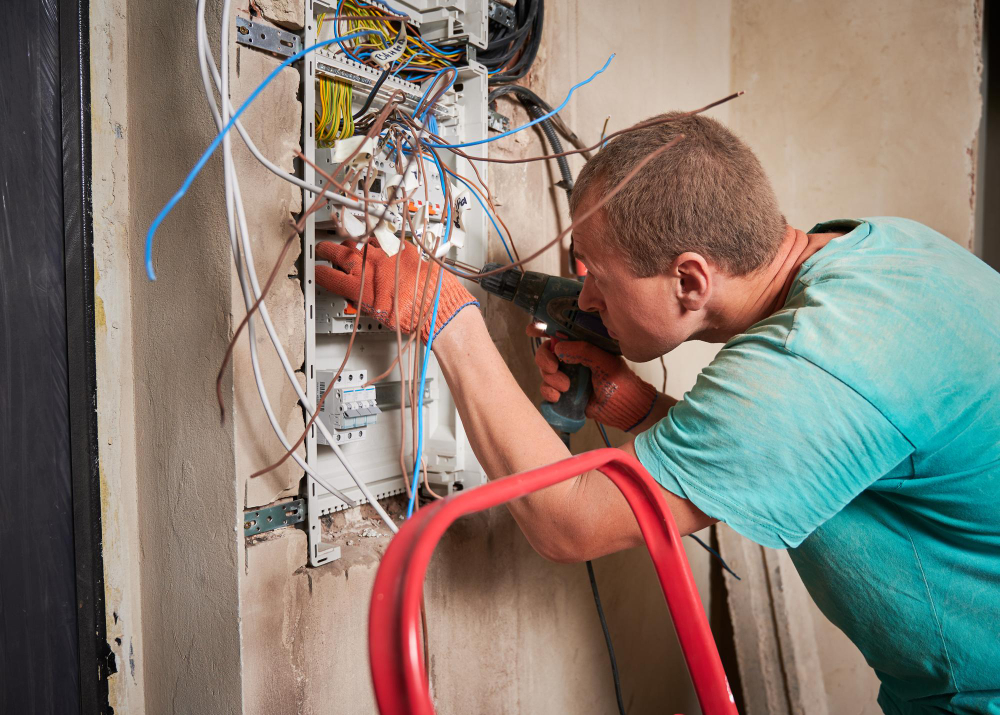
The electrical panel is a record of how the home has grown. New circuits, old labels, double-used spaces, missing directory information, and mixed breaker types can all hint at past changes.
A panel does not need to look new to be safe, but it should be dry, clearly labelled, properly covered, free of scorching, and suitable for the home’s demand. Rust, heat, buzzing, missing covers, or crowded wiring deserve professional review.
Electrical Safety Authority guidance on older buildings notes that electrical systems in homes and buildings from 1975 and earlier can present risk because they may not have the same safety benefits as modern systems.
That date is useful for Northumberland County homeowners because many local properties were built or renovated across several eras. A 1950s home with a 1990s addition and newer basement wiring may need a different review than a cottage with a small panel and seasonal use.
Outlets can show grounding and protection gaps
Older outlets may not provide the protection homeowners assume. Two-prong outlets, ungrounded three-prong replacements, missing GFCI protection near water, loose receptacles, and cracked plates can all point to safety gaps.
Grounding matters because many modern devices expect a grounded path. GFCI protection matters near water and in areas where shock risk is higher. Outdoor outlets, garages, unfinished basements, kitchens, bathrooms, and laundry areas deserve special attention.
An outlet that accepts a three-prong plug is not proof that the circuit is grounded correctly. It may have been changed without the wiring behind it being updated.
If a home has older outlets, repeated shock sensations, nuisance GFCI trips, or visible damage around receptacles, electrical home repair can address the safety issue before it becomes part of daily use.
Rural equipment can add electrical load homeowners overlook
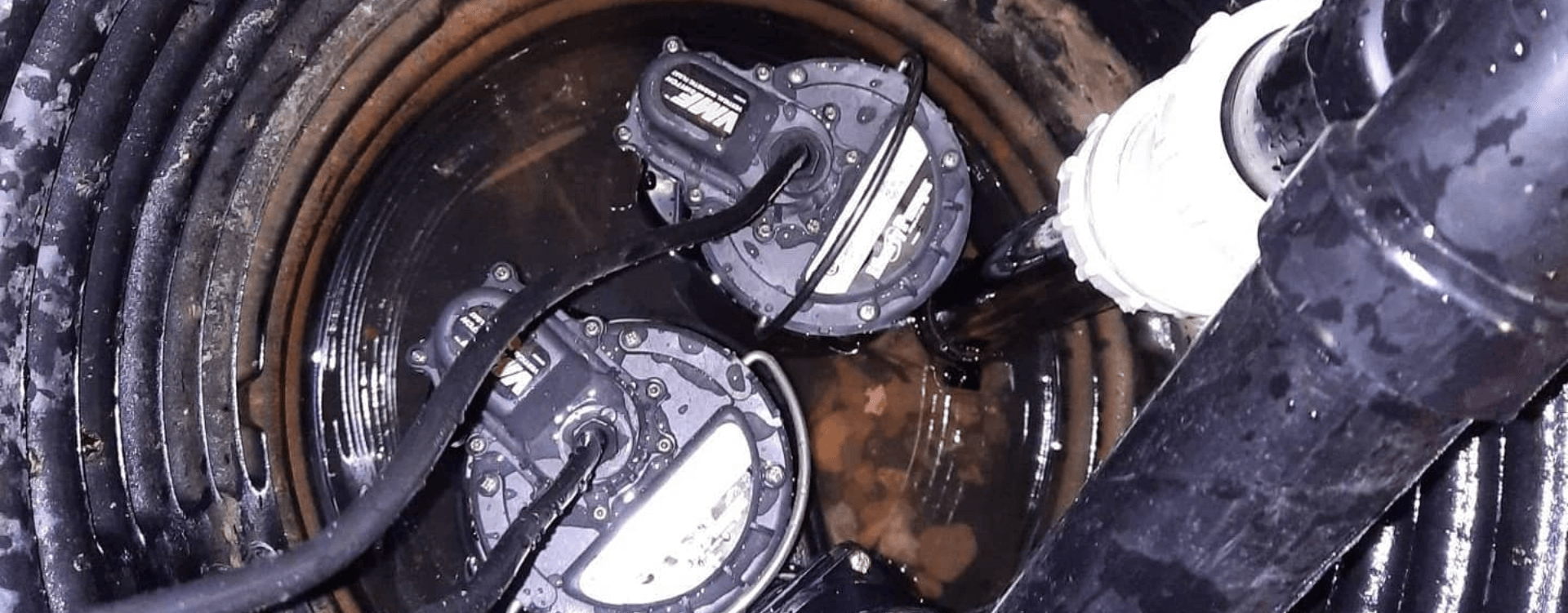
Northumberland County homes may have equipment that urban homes do not: well pumps, pressure systems, sump pumps, outbuildings, workshops, septic pumps, generators, and long outdoor runs. Those loads can affect electrical safety, especially in older homes.
A well pump, for example, may rely on a dedicated circuit, pressure switch, control box, and wiring between the home and equipment. A breaker trip or voltage issue can look like a water problem at first.
That overlap is why well pump repair can involve electrical diagnosis as well as plumbing knowledge. The pump may stop because of wiring, controls, or breaker issues rather than the pump motor alone.
Older rural homes should also be careful with generator connections, exterior outlets, and outbuilding wiring. Improvised power to a shed, garage, or pump house can become one of the highest-risk parts of the property.
When repairs, permits, or rewiring should be part of the plan
Homeowners can observe symptoms and stop using unsafe devices, but electrical repairs are not a guesswork project. In Ontario, who performs the work and whether it is inspected matter.
That is especially true in older homes, where a small change can uncover wiring from several decades and different code eras.
Small electrical work can still need notification
It is easy to think of a switch, light, outlet, or small circuit change as minor. The Electrical Safety Authority says that even for little jobs, a homeowner must file a notification of work before beginning electrical work, and that many small residential project notification fees can be less than $100.
That does not mean every homeowner should do the work. ESA also says only the homeowner or a Licensed Electrical Contracting business can do electrical work in the home, and friends, relatives, or neighbours cannot do it for you.
For older homes, the permit and inspection process is not just bureaucracy. It creates a record of work and helps make sure a repair does not hide a new hazard behind a finished wall.
If you hire someone, the safer route is a Licensed Electrical Contractor who files the required electrical permit as part of the job.
Rewiring may be safer than repeated patching
Rewiring does not always mean tearing apart the whole house at once. Sometimes it means targeted work in a kitchen, bathroom, basement, addition, panel area, or circuit that is no longer safe.
The decision depends on the condition of the wiring, the number of unsafe alterations, the home’s current load, insurance requirements, and whether future renovations are planned.
Signs that rewiring or targeted circuit replacement may belong in the plan include recurring breaker trips, ungrounded outlets where grounding is needed, damaged insulation, mixed wiring methods, overloaded circuits, and unsafe previous work.
For homes where old wiring no longer matches safe daily use, rewiring can bring the system closer to how the house actually functions today.
Upgrades should be planned around how the home is used
Electrical upgrades are strongest when they start with real life. Which appliances run together? Does the home have a well pump? Is a generator planned? Are there home offices, workshops, rental spaces, aging-in-place needs, or future renovations?
Those answers shape the upgrade plan. A panel replacement without circuit planning may not solve nuisance issues. A new outlet without load review may simply move the problem. A generator connection without transfer equipment can create serious hazards.
For older homes, the smartest sequence is usually inspection first, then priority repairs, then planned upgrades. That keeps urgent safety issues from being hidden behind cosmetic improvements.
If the home already has flickering lights, breaker issues, or unusual electrical behaviour, electric service should focus on the cause, not only the symptom.
Conclusion
Older homes deserve careful electrical attention because they often carry more history than the panel label can explain. The wiring may be original in one area, updated in another, and patched in a third.
The safest approach is to watch for patterns: repeated breaker trips, warm outlets, buzzing, burning smells, flickering under load, ungrounded outlets, extension cords used as permanent wiring, and equipment that strains the same circuit again and again.
You do not need to know every code rule to protect the home. You need to know when the system is giving you a warning and when a Licensed Electrical Contractor should inspect, repair, or upgrade it.
For electrical inspections, repairs, panel upgrades, rewiring, or safety concerns in an older Northumberland County home, Cardinal Home Services can help you understand the risk and plan the right next step.