


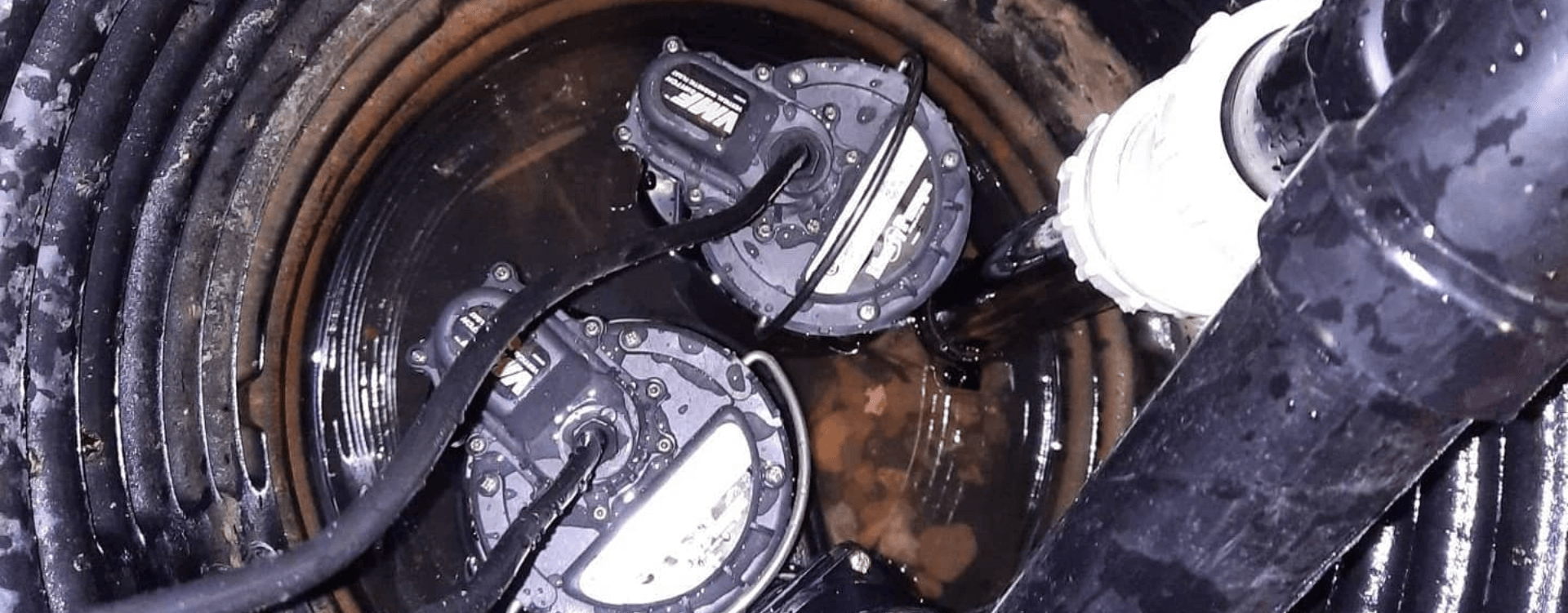
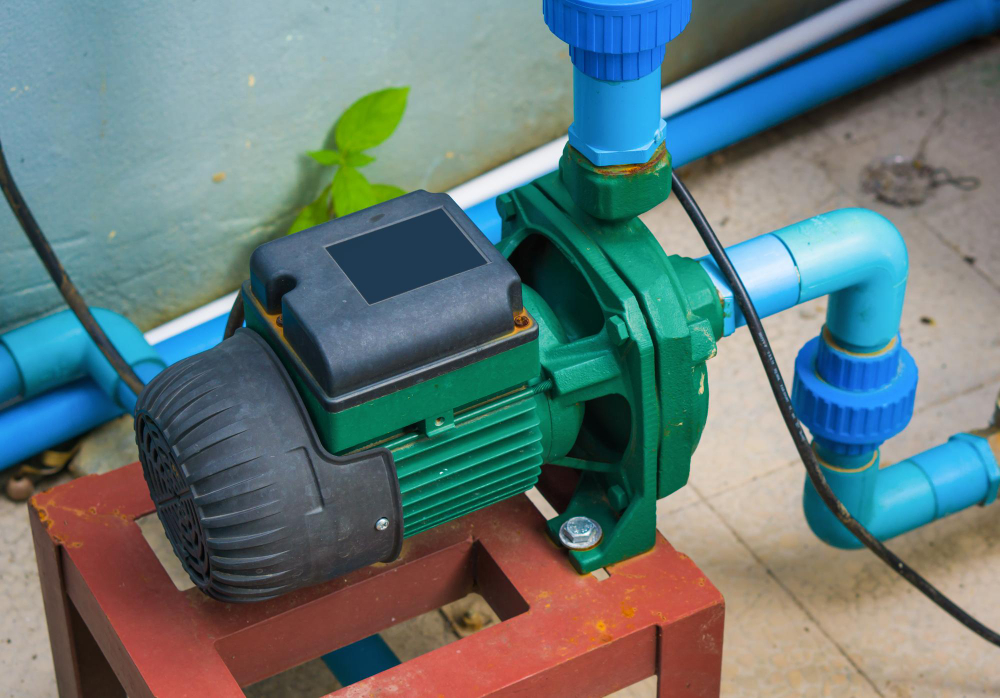
Well pump repair in Northumberland County is a service that most rural homeowners encounter at least once, and when it happens, the household is immediately without water. There is no municipal backup. The well, the pump, the pressure tank, and the switch are the entire water supply, and when any one of those components fails, every faucet in the house goes dry.
In this article, you will learn why a total loss of water does not always mean the pump motor has failed, how the pressure tank is the most commonly overlooked and most frequently failing component in the system, why filtration problems mimic pump failures and send homeowners down the wrong diagnostic path, what the symptoms look like when the pump itself is genuinely wearing out, and what a structured annual service visit covers to prevent the emergency that leaves the house without water.
Here’s what you’ll find below.
- No water at the tap does not always mean the pump has failed
- The pressure tank is the part most homeowners overlook and the one that fails first
- Well water pressure issues often start at the filter, not at the pump
- When the pump itself is failing, the symptoms build over weeks before the water stops
- Rural water system maintenance catches the small problems before they leave the house without water
Keep reading to understand what your well system is telling you and how to catch the problem at the stage where it is least expensive to fix.
No water at the tap does not always mean the pump has failed
When every faucet in a Northumberland County home goes dry, the immediate assumption is that the well pump has died. In many cases, the pump motor is fine. The failure is in one of the electrical or mechanical components that control the pump, and these components are far less expensive to replace than the pump itself.
A tripped breaker or a burned capacitor can shut the pump down before the motor ever dies
The well pump circuit is protected by a dedicated breaker in the electrical panel. A power surge, a lightning event, or a momentary overload can trip that breaker without damaging the pump motor. The pump simply stops receiving power.
Before assuming the pump has failed, the first step is checking the breaker. If it has tripped, resetting it may restore the system immediately. If it trips again shortly after being reset, the cause of the overload needs to be diagnosed, which could be a wiring issue, a failing capacitor, or a pump drawing excessive current.
The start capacitor on a submersible pump provides the initial electrical boost the motor needs to begin spinning. When the capacitor fails, the motor cannot start and the breaker may trip from the stalled-motor current draw. A capacitor replacement is a straightforward repair that costs a small fraction of a pump replacement and takes minutes to complete once diagnosed.
The pressure switch contacts corrode over time and stop telling the pump when to run
The pressure switch is the component that monitors system pressure and signals the pump to turn on and off. It contains a set of electrical contacts that open and close mechanically as pressure rises and falls. Over years of use, these contacts corrode, pit, and eventually fail to make reliable contact.
A switch with corroded contacts may fail to send the signal that activates the pump, even though the tank pressure has dropped below the cut-in setting. The pump is operational but never receives the instruction to start. The result is no water at the tap and a pump that appears to have failed.
Pressure switch replacement is one of the most common and least costly well pump service repairs. The switch is mounted on the tank or the plumbing near the tank and is accessible without any well work. A corroded switch caught during a routine inspection prevents the no-water emergency that prompts a more expensive diagnostic call.
Components to check before assuming the pump has failed:
- The dedicated breaker in the electrical panel, which may have tripped from a surge, overload, or lightning event
- The start capacitor, which provides the initial boost to the pump motor and can be tested with a multimeter
- The pressure switch contacts, which corrode over years of cycling and can be visually inspected for pitting and discolouration
- The wiring connections at the pressure switch and the pump control box, which can loosen from vibration and thermal cycling
A submersible pump that hums but delivers nothing may have a check valve stuck closed
A submersible pump that receives power and produces an audible hum but delivers no water to the tank may not have a motor failure. The motor is running, but the water is not reaching the surface.
A check valve, installed on the drop pipe above the pump, prevents water in the column from draining back into the well when the pump shuts off. If this valve sticks in the closed position, the pump runs against a sealed line and cannot push water up to the tank. The motor works, the impeller spins, but no water moves.
A stuck check valve can sometimes be freed by cycling the pump on and off several times, which changes the pressure on the valve and may allow it to open. If it remains stuck, the check valve must be replaced, which requires pulling the pump and drop pipe from the well. This is a more involved repair than a surface component replacement, but it is still less costly than replacing the pump motor when the motor was not the problem.
The pressure tank is the part most homeowners overlook and the one that fails first
The pressure tank sits in the basement or the pump house and receives almost no attention from the homeowner until something goes wrong. It is the most frequently failing component in a well system and the one whose failure most directly threatens the pump.
A ruptured bladder fills the tank with water and forces the pump to cycle every few seconds
Inside a standard bladder-type pressure tank, a rubber bladder separates stored water from a pre-charged air pocket. The air pocket compresses as water fills the tank and expands as water is drawn out, maintaining pressure between pump cycles and providing a reserve of pressurized water that reduces how often the pump needs to run.
When the bladder tears, water fills the entire tank and the air charge dissipates. Without the air cushion, the tank has almost no stored pressure. Every time a faucet opens, the pressure drops instantly, the switch activates the pump, the pressure rises briefly, and the switch shuts the pump off. The cycle repeats within seconds.
The homeowner may notice the pressure fluctuating at the faucet or hear the pump clicking on and off rapidly from the basement. Both symptoms indicate that the tank is waterlogged and the bladder has failed.
That rapid clicking from the pressure switch is the pump short-cycling and burning itself out
Short cycling, the rapid on-off pattern caused by a waterlogged tank, is one of the most destructive conditions for a submersible well pump. The pump motor, the electrical contacts on the pressure switch, and the check valve are all designed for sustained run cycles with rest periods between them.
A pump that cycles hundreds of times per hour instead of four to six times generates excessive heat in the motor windings, accelerates wear on the electrical contacts, and stresses the check valve with repeated pressure pulses. The motor that should last 15 to 20 years may fail in five or fewer under short-cycling conditions.
According to the U.S. Department of Energy, proper sizing and maintenance of pressure system components directly affects both system longevity and operating efficiency. A waterlogged tank identified and replaced at the first sign of short cycling prevents the cascading failure that takes the pump with it.
- Short cycling produces audible rapid clicking at the pressure switch, which is the most recognizable symptom of a waterlogged tank
- The pump motor overheats from the constant starting and stopping, which degrades the winding insulation and shortens motor life
- The pressure switch contacts arc and pit from the increased cycling frequency, which accelerates switch failure
- The check valve receives repeated pressure pulses that fatigue the spring and the seat, increasing the risk of valve failure
Replacing a waterlogged tank costs a fraction of the submersible pump repair it prevents
A residential pressure tank is a surface-installed component that the plumber can replace during a standard service visit. The tank sits in the basement or pump house, connects to the plumbing with standard fittings, and requires no well access, no pulling equipment, and no disruption to the wellhead.
A submersible pump sits at the bottom of the well, often 30 to 90 metres below grade. Replacing it requires a well service crew, a pulling rig, removing the entire drop pipe assembly, installing a new pump, and lowering everything back into the well. The cost difference between the two repairs is substantial.
The homeowner who replaces a failed tank at the first sign of short cycling spends a manageable amount on the most accessible component in the system. The homeowner who lets the short cycling continue until the pump burns out pays for the tank replacement plus the pump replacement, and goes without water for the duration of the well service appointment.
Well water pressure issues often start at the filter, not at the pump
A decline in water pressure at the fixtures does not always trace back to the pump or the tank. In many Northumberland County homes on well water, the restriction is in the filtration system installed between the tank and the distribution plumbing.
Iron, sediment, and mineral buildup clog the filter cartridge and choke flow before it reaches a faucet
Whole-house sediment filters, iron filters, and water softeners are common in Northumberland County well systems. These treatment components are installed downstream of the pressure tank and upstream of the distribution plumbing, which means they filter every gallon of water before it reaches a fixture.
A sediment filter cartridge that has reached its capacity restricts flow across the entire system. The pressure at the tank reads normally, but the pressure downstream of the filter drops significantly. Every faucet in the house runs weak even though the pump and tank are operating correctly.
A water treatment system that includes a sediment filter, an iron filter, or both requires regular cartridge replacement and media maintenance. Most whole-house sediment cartridges need replacing every three to six months depending on the sediment load. An iron filter media bed needs periodic backwashing and eventual media replacement.
How to determine whether the filter is causing the pressure drop:
- Check the pressure gauge before the filter and after the filter. A differential of more than 5 PSI indicates a clogged cartridge or saturated media
- Bypass the filter temporarily using the bypass valve if one is installed. If pressure returns to normal immediately, the filter is the restriction
- Note the date of the last cartridge change. If it has been more than six months and the well produces moderate to heavy sediment, the cartridge is likely overdue
- Inspect the filter housing for cracks, O-ring deterioration, or a loose housing cap that could allow bypass flow or air intrusion
A water pump repair call that ignores the treatment system upstream solves the wrong problem
A homeowner who calls for a well pump repair because of low water pressure and receives a new pump without anyone checking the filter, the softener, or the iron removal system has paid for a repair that did not address the actual cause. The new pump delivers the same restricted flow because the restriction was never in the pump.
A proper diagnostic sequence starts at the pressure tank and works through the system component by component: tank pressure, switch operation, pump amp draw, filter condition, and finally fixture-level pressure. Each measurement narrows the possible causes, and the repair is directed at the component that is actually failing.
This systematic approach prevents unnecessary component replacements and ensures the homeowner’s money goes toward the actual problem. A clogged filter that mimics a pump failure costs a cartridge to fix. A pump that is replaced unnecessarily costs thousands.
Ontario rural well water carries enough mineral content to shorten equipment life without proper filtration
Groundwater in Northumberland County commonly contains dissolved iron, manganese, calcium, and fine sediment that vary by well depth and local geology. These minerals enter the well system with every pump cycle and affect every component they contact.
Iron and manganese stain fixtures, coat pipe interiors, and foul water softener resin. Calcium builds scale on water heater elements, inside pipe walls, and on valve seats. Fine sediment accumulates in the pressure tank, clogs fixture aerators, and reduces flow through appliance inlet valves.
According to the Government of Ontario’s well water information resources, private well owners are responsible for testing and maintaining their own water quality, and the province recommends regular testing for bacteria, nitrates, and other parameters. Understanding the mineral content of the well water through periodic testing allows the homeowner to install appropriate treatment and schedule maintenance before the mineral load damages expensive equipment.
- Annual water testing identifies mineral concentrations that inform treatment system sizing and maintenance intervals
- Iron and manganese above recommended thresholds require dedicated filtration to protect plumbing fixtures and appliances
- Hard water above moderate levels benefits from a water softener to prevent scale accumulation in the water heater and distribution piping
- Sediment filtration installed after the pressure tank protects the entire distribution system from particulate damage
When the pump itself is failing, the symptoms build over weeks before the water stops
A submersible pump that is reaching the end of its service life does not usually stop working all at once. The decline is gradual, and the symptoms appear at the fixtures, on the electrical panel, and sometimes in the water quality weeks or months before the pump fails completely.
A pump drawing higher amps than normal is working harder to deliver less water
A submersible pump motor has a rated amperage that represents normal operating current. As the motor windings degrade, the bearings wear, or the impeller stages lose efficiency, the motor draws more current to maintain the same output. Eventually, the current draw exceeds the rated amperage, which indicates the motor is overworking.
A technician with a clamp-on ammeter can measure the pump’s operating current during a service visit and compare it to the manufacturer’s rated full-load amperage. An amp draw that exceeds the rated value by more than 10 to 15 percent indicates a motor that is approaching failure. Catching this condition during a routine well pump service visit gives the homeowner time to plan and schedule a pump replacement before the motor fails and the house loses water unexpectedly.
Sand or grit at the faucet means the well screen or impeller is wearing and letting sediment through
A well that suddenly begins delivering sand or grit at the fixtures is showing a change in the pump’s ability to filter or exclude sediment. The well screen at the bottom of the casing and the pump’s impeller stages both serve as barriers between the aquifer material and the water delivered to the house.
A degraded well screen allows fine sand to enter the pump intake. Worn impeller stages lose the close tolerances that separate the pump stages and allow sediment to pass through rather than being captured. In either case, the sand that reaches the fixtures is a warning that the pump or the well casing is deteriorating.
Sand in the water is abrasive. It wears on valve seats, fixture cartridges, and appliance components. It also accumulates in the water heater tank, reducing heating efficiency and potentially damaging the drain valve. A sudden increase in sediment at the fixtures should be evaluated promptly rather than tolerated.
Q: Does sand at the faucet always mean the pump is failing?
Not always. A new well that was not fully developed during drilling may produce sand initially. A well that has produced clean water for years and suddenly delivers sand is showing a change in the pump, the screen, or the formation around the casing.
Q: Can a sediment filter solve the problem without replacing the pump?
A sediment filter can protect the fixtures and appliances from the sand, but it does not address the source. If the pump impeller is worn, the pump’s output and efficiency are declining regardless of the filtration. The filter buys time, but the pump condition still needs evaluation.
Q: How quickly does sand damage a pump?
Sand is highly abrasive to pump impellers. A pump that is ingesting sand continuously will lose efficiency faster than one running on clean water, and the impeller wear accelerates the sediment problem in a feedback loop.
Q: Should I stop using the water if I see sand?
Using the water with sand present will distribute the sediment throughout the plumbing system. It is advisable to reduce water use and schedule a service visit to diagnose the source before the sand damages fixtures and appliances.
A well that runs dry during summer peak use may not have a pump problem at all. It may have a yield problem
During dry periods in Northumberland County, the water table drops as rainfall decreases and surrounding wells draw from the same aquifer. A well that produces adequate water during normal conditions may not keep up with household demand during a summer drought when the aquifer level has fallen.
The symptom, a loss of water pressure or a temporary loss of water entirely during periods of heavy use, mimics a pump failure. The pump is running, but it is drawing air instead of water because the water level in the well has dropped below the pump intake.
A well yield issue is not a pump repair. It is a well capacity limitation that may require deepening the well, installing the pump at a lower depth if casing permits, or managing household water use during low-yield periods to avoid running the pump dry. Running a pump dry, even briefly, causes overheating and accelerates motor failure.
A submersible pump repair technician can measure the static water level and the pumping water level in the well to determine whether the pump is set at an appropriate depth and whether the well’s yield is adequate for the household’s demand.
Rural water system maintenance catches the small problems before they leave the house without water
A well system that serves as the sole water supply for a Northumberland County home deserves the same structured maintenance that any essential building system receives. The pump, the tank, the switch, the filtration, and the water quality all benefit from regular evaluation, and the cost of annual maintenance is a fraction of the cost of an emergency service call.
An annual well pump service checks tank pressure, switch settings, amp draw, and filter condition
A structured annual service visit covers every component in the well system in a systematic sequence. The technician checks the pre-charge pressure on the tank, verifies the pressure switch cut-in and cut-out settings, measures the pump’s operating amperage, inspects the filter cartridges and treatment media, and tests water pressure at the fixtures.
Each measurement provides a data point that the technician compares to the manufacturer’s specifications and to the readings from the previous year’s visit. A gradual increase in amp draw, a slow decline in tank pre-charge, or a pressure differential across the filter that was not present at the last visit all indicate developing conditions that can be corrected during the same appointment.
- Tank pre-charge should be set to 2 PSI below the pressure switch cut-in setting and checked with a tyre gauge at the Schrader valve on the tank
- Pressure switch settings should match the system design, typically 30/50 or 40/60 PSI, and the contacts should be inspected for pitting
- Pump amp draw is compared to the motor’s rated full-load amperage to detect early signs of motor degradation
- Filter cartridges are inspected for sediment loading and replaced if pressure differential exceeds 5 PSI across the housing
Ontario Regulation 903 requires licensed well contractors for pump work. The warranty depends on it
Under Ontario Regulation 903 (Wells), work on wells, including pump installation and servicing, must be performed by licensed well contractors or technicians certified under the Ontario Water Resources Act. This regulation exists to protect the well, the aquifer, and the homeowner’s water supply from improper work that could introduce contamination or damage the well casing.
A pump installation or repair performed by an unlicensed individual may void the manufacturer’s warranty on the pump and the associated components. It may also create liability issues if the work results in well contamination or damage.
Homeowners scheduling well pump service should verify that the contractor holds a valid Ontario well technician licence and that the work will be performed in compliance with Regulation 903. This protects the warranty, ensures the work meets provincial standards, and preserves the homeowner’s ability to file an insurance claim if a problem arises from the repair.
A seasonal pressure and water quality check before summer high-demand months protects the entire system
Summer is the highest-demand season for a well system in Northumberland County. Lawn watering, garden irrigation, additional laundry from outdoor activities, and in some cases guest occupancy all increase the daily water draw beyond what the system processes during the rest of the year.
A pre-summer check confirms that the system is operating at its rated capacity before the demand increases. The technician verifies that the pressure tank is holding its charge, that the switch is cycling correctly, that the pump is delivering its rated output, and that the filters are clean enough to handle the increased volume without restricting flow.
Water quality testing in the spring also serves as a baseline. The Government of Ontario recommends testing private well water at least three times per year, including a spring test after snowmelt when the risk of surface water infiltration into the well is highest. A spring test that shows a change in bacterial count, nitrate levels, or mineral content triggers an investigation of the well casing, the seal, and the sanitary condition of the wellhead before summer use begins.
- Schedule the annual well system service in spring before summer high-demand begins
- Test water quality for bacteria and nitrates at least three times per year, with one test in spring after snowmelt
- Replace sediment filter cartridges before the summer season to ensure maximum flow capacity during peak use
- Confirm the pressure tank pre-charge and switch settings are correct so the system delivers consistent pressure under increased summer demand
Conclusion
A well pump system in Northumberland County is the sole source of water for the home, and when it fails, there is no backup. The pump, the tank, the switch, the filter, and the well itself each play a role in delivering water to every fixture, and a failure in any one of them produces an emergency that leaves the household dry.
The most common failure, a waterlogged pressure tank, is also the least expensive to fix when caught early. The most expensive failure, a burned-out submersible pump, is almost always the result of a tank problem that was allowed to run until the short cycling destroyed the motor. The window between the first symptom and the costly outcome is the time to act.
If your well system is cycling rapidly, your pressure is dropping during normal use, your water quality has changed, or you have not had the system serviced in more than a year, contact Cardinal Home Services to schedule a well pump evaluation and protect the system that supplies every drop of water your household depends on.