


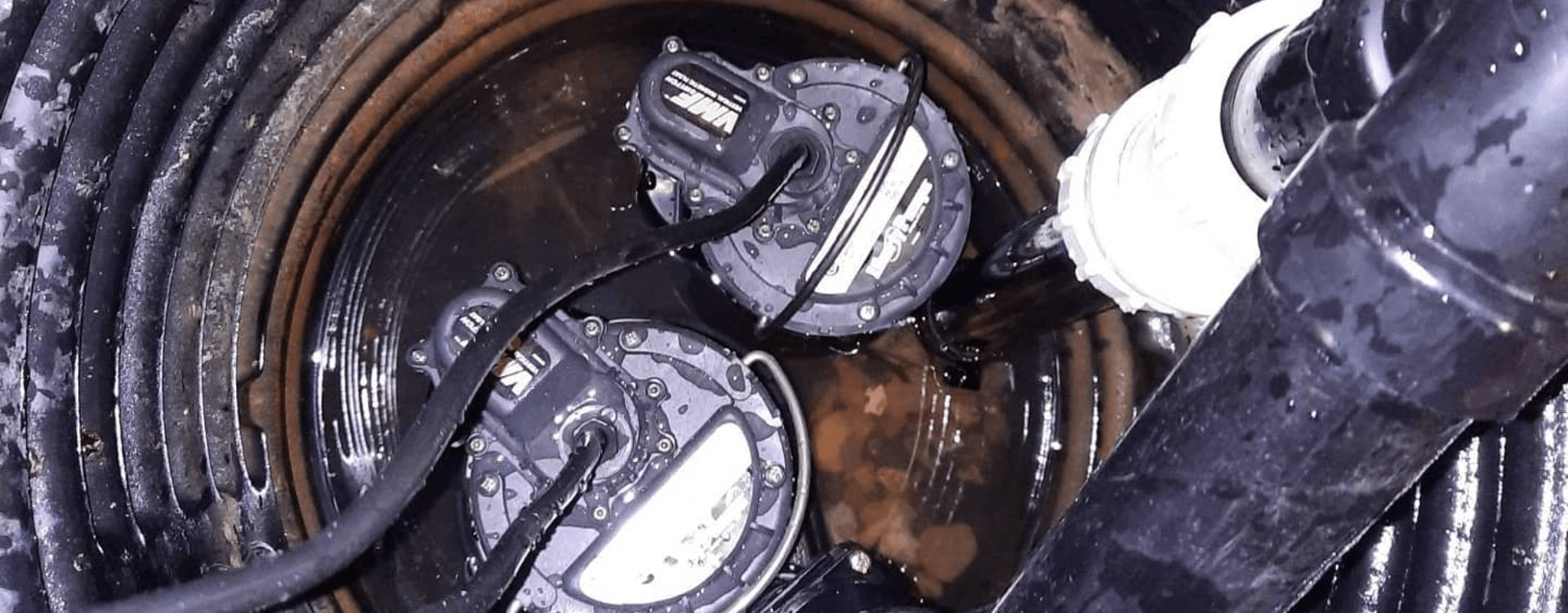

Well pump replacement cost in Ontario does not come down to one installed price. Replacing an accessible jet pump in a utility room near Peterborough is a different job from pulling a submersible pump, drop pipe and cable out of a deep drilled well on a Kawartha Lakes or Northumberland County property. The pump itself is only part of the bill: diagnosis, removal, lifting equipment, pipe and wire, pressure controls, travel, disinfection and testing all affect the total.
The most useful budget starts with the well record and a full system check. A contractor offering well pump replacement should confirm what actually failed, match the new pump to your well and household, and tell you which parts can safely be reused.
In this article, you will learn:
- What an Ontario well pump quote should include
- Why replacement prices vary so much
- When a repair costs less than a new pump
- How to compare estimates fairly
What an Ontario well pump quote should include
Ontario does not publish a province-wide average installed price for residential well pumps, and online prices mix pump-only products, simple swaps and full projects. A dollar figure without a scope sets the wrong expectation. Treat the estimate as a group of connected costs. A complete quote may include:
- Testing of power, controls, pressure, flow and the pressure tank
- A correctly sized jet or submersible pump
- Removal and disposal of the old pump
- Drop pipe, pump cable, safety rope and fittings as needed
- Equipment and labor to pull and reset the pump
- Pressure switch, control box, gauge, valves or pressure tank work
- Disinfection, pressure testing, flow checks and water sampling where appropriate
- Travel, after-hours timing, records or electrical work where they apply
Not every job needs every item. A clear estimate separates the base scope from condition-dependent work, and says whether taxes, disposal, travel and a final operating check are included.
The pump price is not the installed price
A store-bought pump does not include diagnosis, removal, lifting, pipe, wiring, controls or setup. It may also be the wrong size for the well’s depth, water level and household demand.
Pulling a deep pump changes the labor
A submersible pump sits below the water level and comes up with its pipe and cable attached. The deeper it sits, the more material there is to handle, and the more chance of finding worn pipe, damaged wire or a worn pitless adapter. Reviewing the well record first helps plan the crew and equipment, though older records may not reflect later changes.
Related equipment can change the total
The pressure tank, switch, check valve, control box and supply line work with the pump as one system. A failed tank can make a healthy pump short-cycle, and a leaking check valve can drop pressure while the pump still runs. Our pressure tank replacement service starts by checking air charge, drawdown and switch settings, and our guide on pressure tank lifespan explains what to expect.
Why well pump replacement prices vary so much
Two pumps with the same horsepower can perform differently, because pressure and flow depend on the whole system: how far water is lifted, the pressure the house needs, friction through pipe and treatment equipment, and how much water the well can sustainably give. Access matters too. A wellhead beside the driveway is easier than one buried, inside a structure or behind landscaping.
The biggest variables:
- Pump type, horsepower, flow rating and controls
- Well depth, pump setting, static water level and drawdown
- Household demand and target pressure
- Drop pipe, cable, fittings and wellhead condition
- Pressure tank and control condition
- Site access, travel distance, weather and urgency
Jet and submersible pumps need different work
A jet pump sits above ground and uses suction, so it is easy to reach but limited in how far it can lift. A submersible pump pushes water up from inside the well and is common in drilled wells. Switching between them is more than a pump swap and may affect piping, wiring and controls. If you are considering it, ask about our dual line pump conversion service.
Household demand changes sizing
A bigger pump is not automatically better. If it can deliver more water than the well recovers, it may run dry or cycle poorly. Cottages that become full-time homes may outgrow an older system as bathrooms, laundry and treatment equipment are added. A well system maintenance review should consider how the property is used now.
When a repair costs less than a new pump
No water does not prove the pump has failed. A tripped breaker, damaged cable, failed pressure switch, control box fault, empty pressure tank, leaking drop pipe, closed valve or dry well can all cause the same symptom. Paying for diagnosis first avoids the most expensive mistake: pulling and replacing a good pump.
Report these patterns accurately:
- No water at any fixture
- Low pressure throughout the house
- Pressure that rises and falls quickly
- Frequent clicking at the pressure switch
- A pump that runs but never reaches shut-off pressure
- Air, sediment or a sudden change in the water
Do not keep resetting a tripped breaker or run a pump that cannot build pressure. Shut the system off if you see signs of electrical damage or overheating, and call for service.
Low pressure may start outside the pump
A clogged filter, closed valve, failed tank, misadjusted switch or hidden leak can reduce pressure while the pump works fine. Common causes of low well water pressure should be ruled out before anyone condemns the pump.
Short cycling often points to the pressure system
When the pump starts and stops too often, the cause is often a waterlogged tank, wrong air charge, switch problem or leak. Fixing that costs far less than pulling a submersible pump, and letting it continue can wear the motor out. Our guide to well pump repair explains why.
Water supply and water quality are separate checks
A new pump restores flow but does not prove the water is safe. Work at the wellhead or a long outage can justify bacterial testing. Public Health Ontario’s private water testing notice says nearly 3 million Ontario residents rely on private drinking water sources, that bacterial testing for private sources is free, and that mineral and chemical analysis needs a licensed lab.
How to compare well pump estimates fairly
One proposal may include new drop pipe, cable, controls and disposal while another lists only a pump and labor, which makes the smaller number look better than it is. Ask each contractor:
- What testing confirms the pump itself has failed?
- What depth, pump setting, water level and yield did you use?
- How was the new pump sized for flow and pressure?
- Which pipe, cable, controls and tank parts are included?
- What could change the price once the pump is pulled?
- Are disinfection, sampling, disposal, travel and electrical work included?
- What tests and paperwork will I get when the job is done?
Check the rules and records
Ontario’s Wells Regulation sets responsibilities for well owners and contractors, and requirements depend on whether the work is a pump installation, repair or alteration. The province’s well repair technical bulletin notes that some alterations can trigger yield testing, disinfection, tagging or record requirements, so confirm which category your job falls into.
Require a full operating check
After installation, the system should run through full cycles, with cut-in and cut-out pressures confirmed, no pressure loss, good flow at fixtures and normal shut-off. Ontario recommends bacterial sampling at least three times a year, including early spring, in its private well maintenance guidance.
Frequently asked questions
How long does a well pump last?
It depends on the pump type, water quality, how often it cycles and whether the pressure tank is healthy. Short cycling and running dry shorten pump life the most.
Should I replace the pressure tank with the pump?
Only if testing shows the tank is failing. A failing tank can shorten the life of a new pump, so it should be checked at the same visit.
Can a well pump be replaced in winter?
Yes. Pump replacements happen year-round. Snow and access to the wellhead can affect the time needed, so keep a clear path to the well.
Do I need to test my water after a pump replacement?
It is a good idea after any work that opens the well. Bacterial testing is free through Public Health Ontario.
Get a clear well pump estimate
The cost of a new well pump depends on what sits below the well cap and what works with it above ground. Start with diagnosis, then compare written scopes that cover the same work. Cardinal Home Services handles well pump replacement, pressure tanks and well repair across Peterborough, Kawartha Lakes, Lakefield and Northumberland County. See our well repair services or contact us.
Call Cardinal Home Services at 705-745-1221.