


You turn on the shower and the flow is half of what it was last week. The kitchen faucet sputters when someone runs the washing machine. The garden hose barely reaches the end of the yard. If your Northumberland County property runs on well water, low pressure is not just an inconvenience. It is your well system telling you that something has changed, and figuring out what changed is the first step toward fixing it.
Low well water pressure causes in Northumberland County, Ontario range from simple fixes you can check yourself to serious mechanical failures that need professional attention. The answer is rarely one single thing. Well systems have multiple components that all have to work together, and a drop in pressure can originate at the pump, the pressure tank, the plumbing inside the house, or the well itself.
Northumberland County properties, from the rural lots south of Cobourg and Port Hope to the farming communities around Campbellford and Warkworth, rely heavily on private wells. The geology across the county varies significantly, from limestone bedrock near the Lake Ontario shoreline to the deeper overburden soils inland. That geological diversity means well depths, flow rates, and water quality differ from one property to the next, and so do the pressure problems homeowners encounter.
This article walks through the most common reasons well water pressure drops in this part of Ontario, explains how to narrow down where the problem is coming from, and helps you decide when you can troubleshoot on your own and when it is time to bring in a professional.
In this article, you will learn about:
- The basics of how your well system creates water pressure
- Pressure tank problems and why they are the most common culprit
- When the well pump itself is failing
- Household plumbing issues that mimic a well problem
- How Northumberland County’s geology affects well performance
- Getting your pressure back and keeping it there
Keep reading to diagnose what is actually behind your low water pressure before you spend money on the wrong fix.
How your well system creates water pressure in the first place
Before you can troubleshoot a pressure problem, it helps to understand what creates pressure in a private well system. Unlike municipal water, which is pressurized by the utility’s pumps and water towers, a well system relies entirely on equipment at your property. Every component in the chain matters, and a failure at any point affects what comes out of your taps.
The pump, the tank, and the pressure switch
A typical residential well system in Northumberland County has three core components working together to deliver pressurized water to your home.
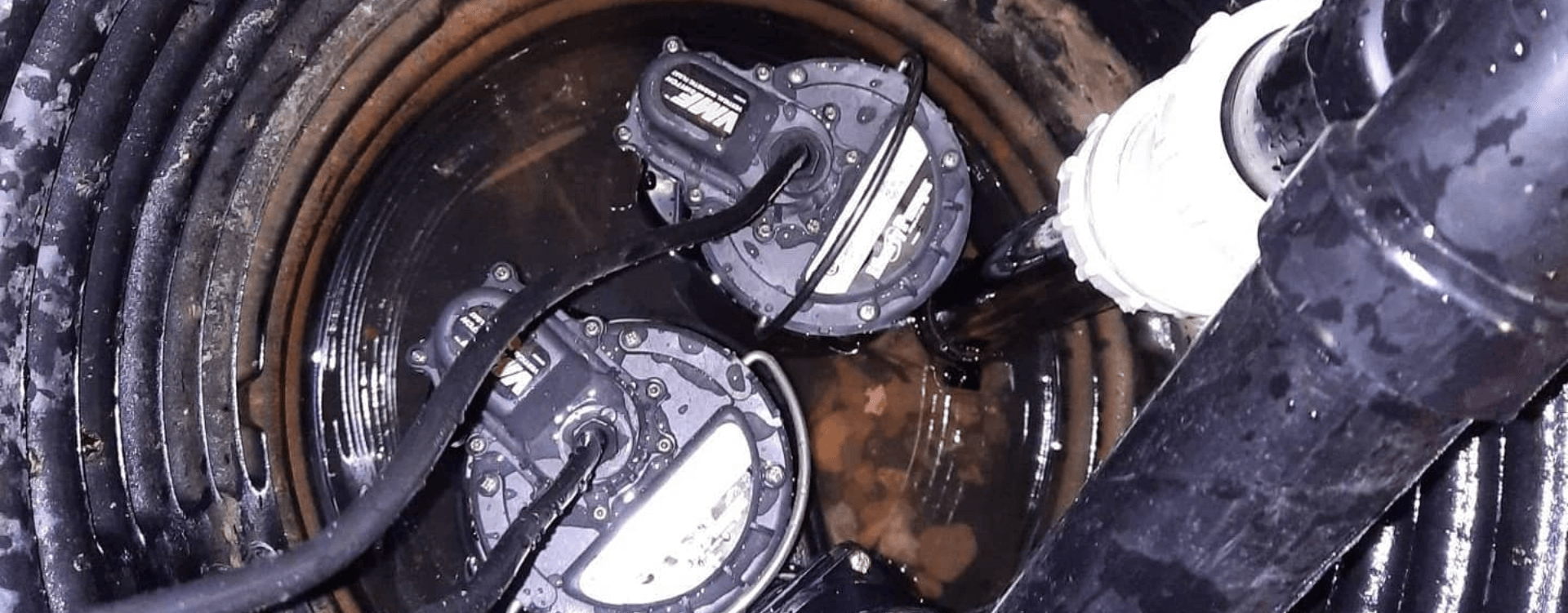
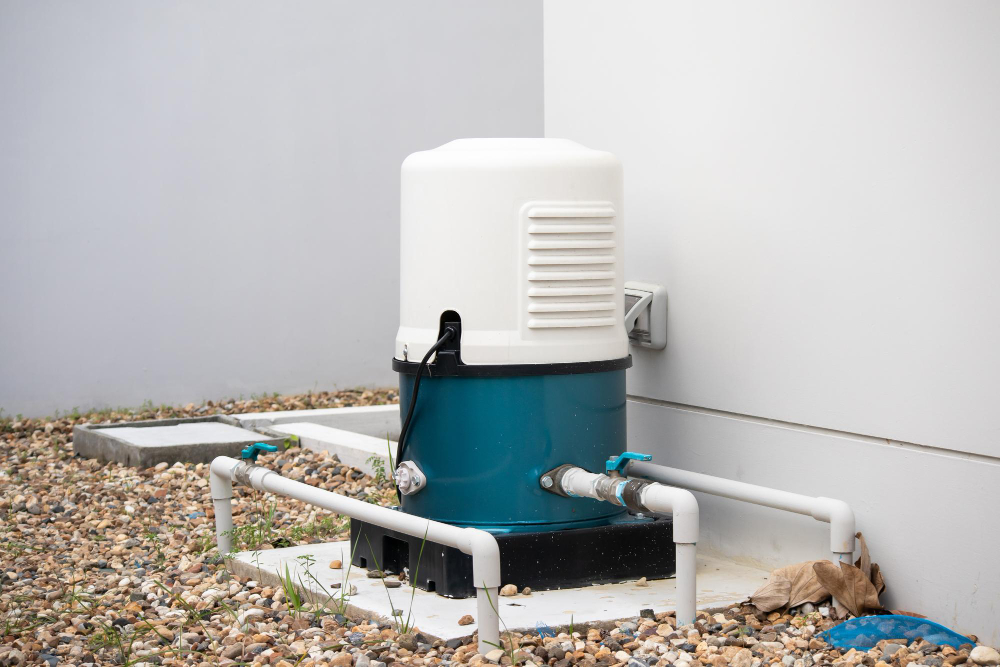
The well pump, usually a submersible unit sitting deep inside the well casing, pushes water up from the aquifer to the surface. From there, the water enters a pressure tank, a sealed vessel that uses a compressed air bladder to maintain consistent pressure in the household plumbing. A pressure switch monitors the tank pressure and tells the pump when to turn on and when to shut off.
Most residential systems are set to maintain pressure between 40 and 60 PSI. When you open a tap, water flows out of the pressure tank and the pressure drops. When it hits the low-end setting (usually around 40 PSI), the pressure switch activates the pump. The pump runs until the tank reaches the high-end setting (usually around 60 PSI), and then the switch shuts it off.
When all three components are healthy, this cycle is seamless. You get steady, consistent pressure at every fixture in the house. When any one of them falters, the symptoms show up as low pressure, fluctuating pressure, or no water at all.
Why “low pressure” can mean very different things
Not all low-pressure complaints point to the same problem. The pattern of the pressure loss tells you a lot about where to look.
Pressure that is consistently low at every fixture, all the time, points to a system-wide issue like an undersized pump, a failing pressure tank, or a pressure switch set too low.
Pressure that drops suddenly when multiple fixtures run at the same time suggests the well’s flow rate or the pump’s capacity cannot keep up with demand. The system works fine for one shower but falls apart when the dishwasher and a bathroom tap join in.
Pressure that was fine last month but has been gradually declining points to something that is getting worse over time, like a pump losing output, a waterlogged pressure tank, or a well water level that is dropping.
Pressure that disappears entirely for a few seconds and then comes back with a surge suggests the pressure tank has lost its air charge and the pump is short-cycling, turning on and off rapidly rather than maintaining a smooth delivery.
Understanding which pattern matches your situation will help you work through the rest of this article efficiently.
The pressure tank is usually the first place to look
If your Northumberland County property has had steady water pressure for years and it recently started acting up, the pressure tank is the most likely suspect. It is also the most common cause of well water pressure complaints across residential systems in Ontario.
What a waterlogged tank looks and feels like
Inside a standard bladder-type pressure tank, a rubber bladder separates the water from a pre-charged air pocket. The air compresses as water fills the tank and expands as water leaves, which is what maintains pressure between pump cycles.
Over time, the bladder can develop a pinhole, a tear, or simply lose its seal. When that happens, the air charge escapes and the tank fills completely with water. A waterlogged tank has almost no capacity to store pressurized water, which means the pump has to run nearly every time you open a tap.
You can check for this yourself. Tap on the side of the tank from top to bottom. A properly charged tank will sound hollow near the top (where the air pocket is) and solid near the bottom (where the water sits). If the entire tank sounds solid from top to bottom, it is waterlogged.
Another telltale sign is rapid cycling. If you can hear the pump kicking on every few seconds while water is running, the tank is not holding pressure between cycles. This puts enormous stress on the pump and the pressure switch and will shorten the life of both if it is not addressed.
Incorrect air pre-charge
Even if the bladder is intact, the tank may not perform properly if the air pre-charge is wrong. The air pressure on the tank side of the bladder should be set to approximately 2 PSI below the pump’s cut-in pressure. For a system set to 40/60, that means the tank pre-charge should be around 38 PSI.
If the pre-charge is too low, the tank delivers less water per cycle and the pump runs more often. If the pre-charge is too high, the tank cannot fill properly and you get a burst of pressure followed by a rapid drop.
You can check the pre-charge with a standard tire pressure gauge on the air valve at the top of the tank. The pump should be off and the tank drained when you take the reading. Adjusting the pre-charge is a simple fix, but it needs to be done with the system depressurized to get an accurate measurement.
When the tank needs replacement
Pressure tanks do not last forever. Most residential bladder tanks have a lifespan of around 10 to 15 years depending on water quality, cycling frequency, and the condition of the bladder. If your tank is in that age range and showing signs of waterlogging that return shortly after you recharge it, the bladder has likely failed and the tank needs to be replaced.
A well pump repair technician can confirm whether the tank is serviceable or whether replacement is the right call. It is one of the more affordable components in the system, and replacing a failing tank promptly protects the pump from the wear caused by short-cycling.
When the well pump itself is failing
If the pressure tank checks out fine and you are still dealing with low or inconsistent pressure, the pump is the next component to evaluate. Pump problems tend to develop gradually, which makes them easy to dismiss until the symptoms become hard to ignore.
Gradual loss of output over time
Submersible well pumps have impellers and motors that wear with use. As they age, they deliver less water per cycle even though they are still running. You might not notice the decline from one month to the next, but if you compare your current pressure to what you had a year or two ago, the difference may be significant.
Common signs that a pump is losing output include:
- Pressure that takes noticeably longer to recover after heavy use
- The pump running for longer periods before the pressure switch shuts it off
- Lower peak pressure than the system used to reach, even with no fixtures open
- Discoloured water or fine sediment appearing intermittently, which can indicate a failing pump seal drawing in material from near the bottom of the well
A pump that is 15 to 20 years old and showing any of these symptoms is likely approaching the end of its service life. Replacing it before it fails completely is far less disruptive than dealing with a total loss of water on a January morning.
The pump is fine but the power supply is not
A submersible pump runs on electricity, and the wiring between your electrical panel and the pump is buried underground and submerged in water. Over the years, wire insulation can degrade, connections can corrode, and voltage at the pump can drop below what it needs to run at full speed.
Low voltage to the pump means low output from the pump. The motor turns, water flows, but neither operates at full capacity. This can look exactly like a failing pump when the actual problem is in the wiring or the control box.
An electrical repair technician or a well service specialist with electrical experience can test the voltage at the wellhead and compare it to what the pump requires. If the numbers do not match, the fix may be a wiring repair rather than a pump replacement, which is a much less expensive outcome.
Pressure switch problems
The pressure switch is a small, inexpensive component that controls when the pump runs. It can fail in ways that directly affect your water pressure.
A switch with corroded contacts may not send a strong enough signal to start the pump. A switch with a worn diaphragm may not read the pressure accurately, causing the pump to shut off too early or not start until the pressure drops well below the normal cut-in point.
If your pump seems to hesitate before starting, or if the pressure drops unusually low before the pump kicks in, the switch is worth checking. Replacement switches are inexpensive, but adjusting or replacing one involves working around electrical components in close proximity to water, so it is typically a job for a technician unless you have experience with well systems.
Household plumbing issues that look like a well problem
Sometimes the pressure problem has nothing to do with the well, the pump, or the tank. It lives inside the house, in the plumbing between the pressure tank and the fixtures where you notice the drop.
Clogged or failing fixtures and aerators
Before you call for a well service, check whether the low pressure affects every fixture or just a few. If only one or two taps are weak, the problem may be as simple as a clogged aerator or a failing cartridge inside the faucet.
Mineral deposits from well water, especially in areas of Northumberland County with hard water or high iron content, can build up inside aerator screens and reduce flow significantly over time. Unscrewing the aerator, cleaning it, and reinstalling it takes less than five minutes and solves the problem completely in many cases.
If the issue is isolated to the hot water side only, the water heater may be the bottleneck. Sediment buildup inside the tank, a partially closed inlet valve, or a failing dip tube can all restrict hot water flow without affecting cold water pressure at all.
Partially closed valves
This one is surprisingly common and easy to overlook. Every well system has at least one main shut-off valve between the pressure tank and the house plumbing. Many have additional valves at the water heater, water treatment equipment, and individual fixture supply lines.
A valve that is 90 percent open and 10 percent closed can reduce flow enough to be noticeable at the fixtures. If anyone has recently done plumbing work, changed a filter, or serviced the water heater, a valve may not have been fully reopened.
Walk the system from the pressure tank to the house and confirm every valve is fully open. It takes five minutes and it eliminates one of the most common and most easily corrected causes of low pressure.
Water treatment equipment restricting flow
Many Northumberland County homes have water softeners, iron filters, UV treatment systems, or sediment filters installed between the well and the household plumbing. Each of these adds a point of potential restriction.
A sediment filter that has not been changed in months will gradually choke the flow to the entire house. A water softener in regeneration mode can temporarily reduce pressure. An iron filter with a fouled media bed will restrict flow even when it is not actively regenerating.
If you have water treatment equipment, check the filter condition and confirm that the system is not stuck in a regeneration or bypass cycle. Regular maintenance on these systems is part of keeping your water pressure consistent, and it is easy to overlook when everything else seems fine.
How Northumberland County’s geology affects well performance
The geology under your property plays a larger role in water pressure than most homeowners realize. Northumberland County sits across a transition zone between the limestone bedrock near the Lake Ontario shoreline and the deeper glacial deposits inland, and the type of well you have determines what kinds of pressure problems you are most likely to face.
Bedrock wells versus overburden wells
A bedrock well is drilled into solid rock, usually limestone or shale in this part of Ontario. Water enters the well through fractures and fissures in the rock. The flow rate depends entirely on how many fractures the well intersects and how productive those fractures are.
An overburden well, sometimes called a sand point or shallow well, draws water from the gravel and sand deposits above the bedrock. These wells are typically shallower and more susceptible to seasonal water table fluctuations.
Both types serve properties across Northumberland County, and both can develop pressure issues, but for different reasons. Bedrock wells are more likely to suffer from declining flow rates as fractures silt up or as regional water demand increases. Overburden wells are more vulnerable to seasonal water level drops during dry summers when the water table falls.
Seasonal water table changes and what they mean for your pressure
If your water pressure drops noticeably during late summer and recovers in the fall after the autumn rains, the well’s water level is likely declining during the dry season. This is especially common with shallower wells and in areas where multiple properties draw from the same aquifer.
When the water level in the well drops close to the pump intake, the pump has to work harder to push water to the surface, and the volume it can deliver per cycle decreases. In extreme cases, the pump can draw air along with water, which causes sputtering at the taps and can damage the pump if it continues.
According to Natural Resources Canada, groundwater levels across parts of southern Ontario are influenced by seasonal precipitation patterns, land use changes, and long-term climate trends. Properties that have never had a water supply issue may start experiencing one as conditions shift over decades.
If your pressure problems are seasonal, the solution may involve lowering the pump to a deeper setting within the well, drilling the well deeper, or in some cases installing a holding tank and booster pump system to buffer supply during low-water periods.
Water quality issues that affect pressure indirectly
Northumberland County well water can carry elevated levels of iron, manganese, calcium, and other dissolved minerals depending on the geological formation the well draws from. These minerals do not cause low pressure directly, but they accelerate the processes that do.
Iron and manganese can coat the inside of pipes, reducing their effective diameter over years. Calcium and magnesium (hard water) form scale that builds up inside water heaters, pressure tanks, and plumbing fittings. A well water test identifies what is in your water so you can install the appropriate treatment and protect the rest of the system from the buildup that steals pressure over time.
According to Health Canada, private well owners are responsible for monitoring their own water quality. Testing is recommended at least once a year, and more often if there has been a change in taste, colour, or odour. A test that reveals high mineral content is also a signal to inspect your plumbing and treatment equipment for buildup that could be contributing to low pressure.
Getting your pressure back and keeping it there
Once you have identified the cause of your low pressure, the path to fixing it depends on which component failed and how far the problem has progressed.
Troubleshooting you can do before calling a professional
A few checks are well within a homeowner’s ability and can either solve the problem or narrow down the cause before a technician arrives:
- Check all fixtures individually to determine whether the pressure loss is throughout the house or isolated to specific taps.
- Inspect and clean aerators on any low-flow fixtures.
- Walk the plumbing line from the pressure tank to the house and confirm every valve is fully open.
- Check the pressure gauge on the tank. If the system has been sitting idle with no fixtures open, the gauge should read near the cut-off pressure (usually 50 to 60 PSI). If it reads significantly lower, the tank or switch needs attention.
- Tap the side of the pressure tank from top to bottom and listen for the hollow-to-solid transition that indicates a proper air charge.
- Check the condition of any sediment filters or water treatment equipment in the system.
If these steps do not reveal the issue or if the problem clearly points to the pump, the pressure tank bladder, or the well itself, a professional evaluation is the next move.
When to call for professional help
Some pressure problems are beyond what a homeowner should attempt, either because they involve electrical components, require specialized tools, or carry a risk of making the situation worse.
Call a well service professional if the pump is running continuously and not building pressure, if the pressure tank is waterlogged and recharging the air does not hold, if you suspect a wiring or voltage issue at the pump, if the well has shown signs of declining water level over multiple seasons, or if the pressure drop coincided with a change in water colour or sediment, which could indicate a pump or well casing issue.
A technician with experience in Northumberland County well systems will know the local geology, the common well types in your area, and the most likely failure points for the age and depth of your well. That local knowledge saves diagnostic time and gets you back to full pressure faster.
Building a maintenance routine that protects your pressure
Low well water pressure is almost always the result of a component that wore out gradually or a maintenance task that was deferred too long. A basic annual routine keeps the system ahead of most failures:
- Test the pressure tank air charge once a year with the system depressurized
- Replace sediment filters on the schedule recommended by the manufacturer, or more often if you notice a flow reduction
- Have the well water tested annually for bacteria and mineral content, and adjust treatment equipment accordingly
- Inspect the pressure switch contacts and wiring connections for signs of corrosion or arcing
- Monitor the pressure gauge periodically under normal use to establish a baseline so you notice deviations early
For properties with known water quality challenges or aging equipment, a professional plumbing maintenance visit once a year is a practical way to catch developing issues before they affect your daily water supply.
Conclusion
Low water pressure on a well system is frustrating, but it is almost always diagnosable. The cause is sitting in your pressure tank, your pump, your household plumbing, or the well itself, and the symptoms point you in the right direction if you know what to look for.
Northumberland County properties face a specific combination of variable geology, mineral-rich water, seasonal water table fluctuations, and aging well infrastructure that makes pressure issues more common here than homeowners might expect. The difference between a property that has reliable pressure year after year and one that struggles every summer usually comes down to whether the owner stays on top of the routine maintenance and addresses small changes before they become big problems.
Cardinal Home Services provides well pump repair, pressure system diagnostics, and full plumbing service across Northumberland County, Peterborough, and the surrounding region. If your pressure has dropped and the basic checks have not solved it, one call gets a technician to your property with the tools and the local knowledge to find the cause and get your water flowing the way it should.