


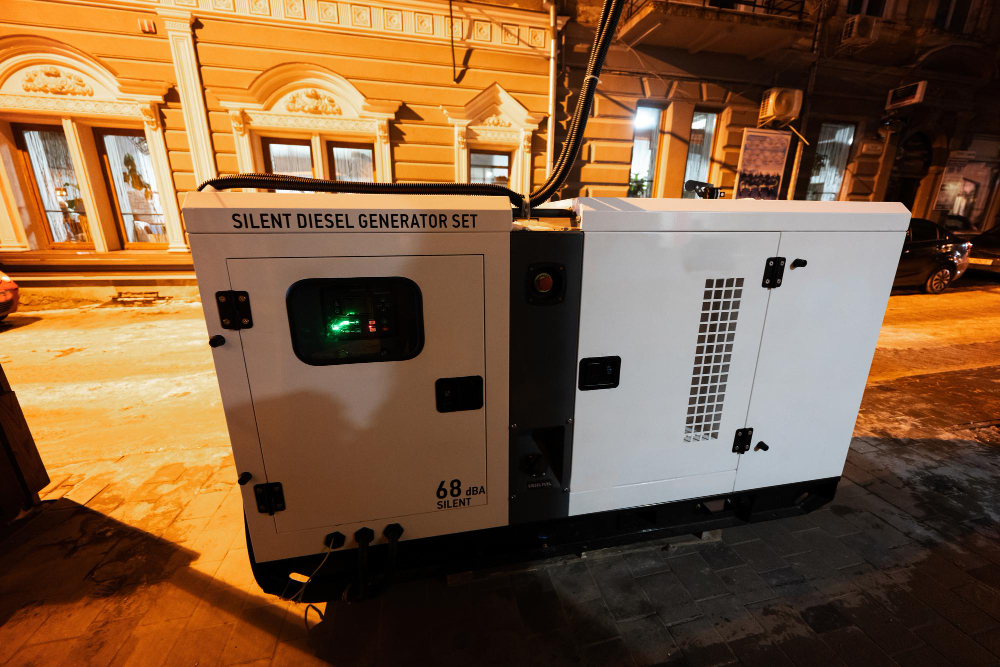
Whole home generator installation benefits in Peterborough, Ontario become clear the moment an outage affects more than the lights. When the grid goes down, a Peterborough home may lose heat, sump pump protection, refrigeration, internet, medical device charging, security equipment, and, on rural properties, even water from the well.
A portable generator can help with a few selected loads, but it usually depends on manual setup, safe outdoor placement, fuel handling, rated cords, and someone being home to connect what matters. A whole home or standby generator is designed to protect selected circuits automatically or with a planned transfer setup, so the house keeps functioning with less improvisation.
That matters across Peterborough and the Kawarthas because homes are not all built the same. Older neighbourhoods, rural concession roads, cottages, private wells, sump pumps, septic systems, and finished basements all change what an outage can cost. Proper generator services match the backup system to the home instead of treating every outage plan like the same appliance purchase.
In this article, you will learn about:
- Why whole home generators protect more than convenience
- How standby power supports rural and older Peterborough homes
- What makes installation safer than improvised backup power
- How maintenance keeps the generator ready for real outages
Keep reading to understand when a whole home generator is a practical home-protection upgrade rather than a luxury.
Why whole home generators protect more than convenience
The first benefit of a whole home generator is obvious: the house still has power. The deeper benefit is that the right circuits keep working in the right order, without a scramble for cords, fuel, and decisions during bad weather.
That difference matters because outages rarely happen at a convenient time. They show up during storms, winter cold, summer heat, planned utility work, and moments when someone may not be home to manage a portable setup.
Refrigeration and food storage are time-sensitive
Food protection is one of the easiest generator benefits to underestimate. A short outage may be manageable, but a longer one can turn a stocked refrigerator or freezer into a costly loss.
Ontario’s power outage guidance says a refrigerator can keep food cold for about 4 hours during an outage, while a full freezer can keep food frozen for about 2 days if the door stays closed. Those timelines are helpful, but they also show how quickly the refrigerator becomes a priority.
A whole home generator can keep the refrigerator and freezer on the load plan without requiring someone to run cords through the house. That is especially useful when the outage happens overnight, during a trip away, or while the home is already dealing with weather-related stress.
For homes with freezers in a basement, garage, or outbuilding, the load plan should be deliberate. Generator sizing should account for startup demand, not only the normal running load after the compressor is already moving.
Sump pumps and basement protection cannot wait
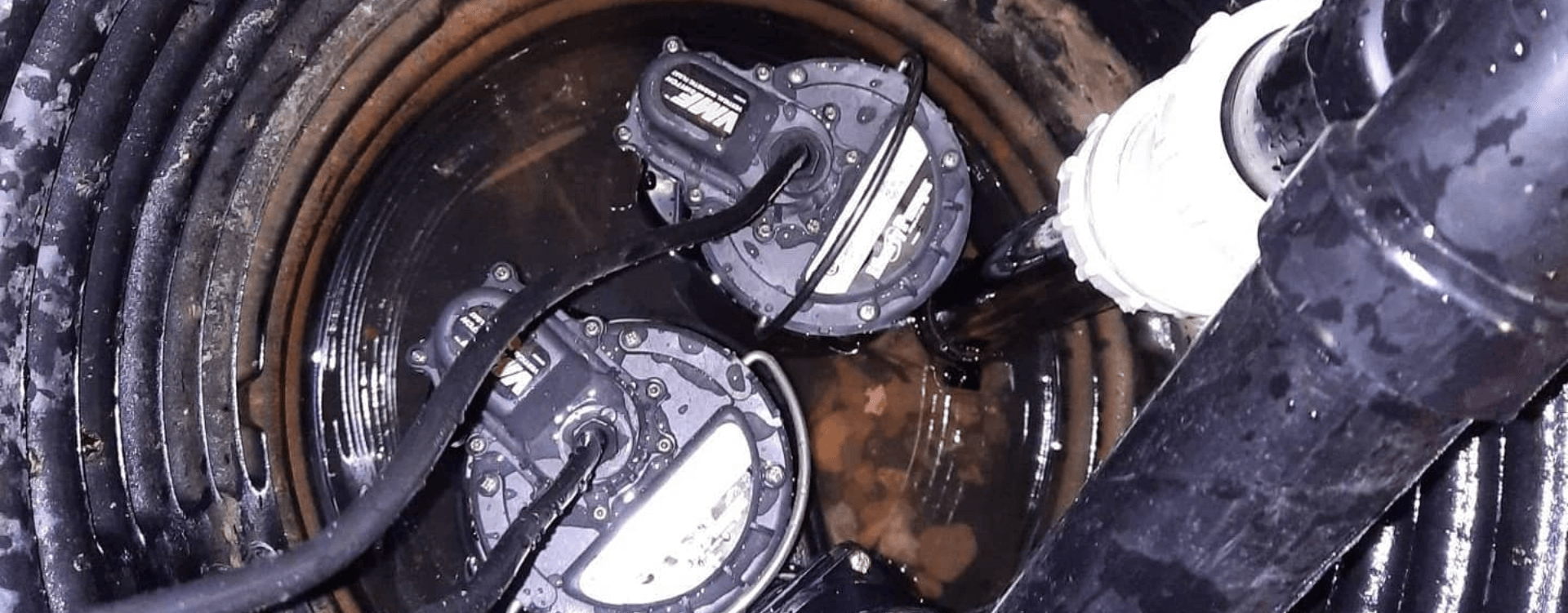
In Peterborough, an outage can arrive during the same storm that puts pressure on the sump pump. That is the worst timing because the pump may be needed most when utility power is least reliable.
A whole home generator can keep a sump pump circuit active, but only if that circuit is included in the installation plan. The generator should be sized and wired around the home’s actual risks, not around a generic list of appliances.
That planning matters for finished basements. Once water reaches flooring, drywall, storage, or mechanical equipment, the outage becomes a damage-control problem instead of a comfort problem.
If the home already has slow drains, sump concerns, or seasonal drainage patterns, sump pump protection should be part of the backup power conversation before the next heavy rain.
Heat, communications, and safety systems stay usable
Backup power also protects the systems that make the home livable. Depending on the home, that may include furnace controls, boiler controls, blower motors, routers, security systems, garage doors, lighting, and device charging.
Ontario’s emergency preparedness guidance recommends that households have enough supplies to be safe and take care of themselves for at least 3 days. A whole home generator does not replace that emergency kit, but it can make those 3 days safer and less disruptive.
In winter, backup heat controls matter. In summer, refrigeration and medical device charging may matter more. During any season, lighting, phones, and internet can make it easier to receive updates and coordinate help.
This is where smart home automation can also fit the larger resilience plan, especially when monitoring, security, lighting, and connected controls depend on stable power.
How standby power supports rural and older Peterborough homes
Peterborough homes do not all lose the same things when the grid goes down. A downtown home on municipal services may lose heat controls and refrigeration. A rural home may lose water, septic pump operation, sump protection, heat, and communication at the same time.
That is why whole home generator installation should begin with a load assessment. The right system protects the circuits that make that specific property safe and functional.
Private wells make backup power more important
For homes on private wells, an outage can stop water. That affects drinking water, toilets, bathing, cooking, cleanup, and sometimes livestock or outdoor needs.
A well pump is not a small plug-in load. It may have a high startup demand, a dedicated circuit, a pressure tank, and control components that need to be considered during generator sizing.
The generator plan should answer practical questions before installation:
- Can the generator start the well pump without overloading?
- Is the pump circuit included in the transfer setup?
- Does the pressure system already show signs of trouble?
- Does water treatment equipment also need power?
- Is there stored water for short outages or generator downtime?
Those details prevent disappointment later. A generator that runs lights but cannot start the well pump may not solve the main problem for a rural home.
If pressure is already inconsistent or the pump has been unreliable, well pump repair should be part of the conversation before backup power is treated as the fix.
Older panels may need review before installation
A whole home generator connects to the electrical system, so the panel matters. Older panels, crowded circuits, poor labelling, mixed renovation work, and undersized service can complicate installation.
The goal is not only to make the generator run. The goal is to make sure the generator, transfer equipment, panel, grounding, and selected loads work together safely.
If the home has breakers that trip, flickering lights, warm devices, or confusing panel labels, electrical panel upgrades may need to be considered before or during generator planning.
A panel review also helps separate essential circuits from convenience circuits. That prevents oversizing the generator for loads the homeowner does not truly need during an outage.
Cottages and four-season homes need realistic load choices
Peterborough and the Kawarthas include cottages and seasonal properties that now function more like four-season homes. Those properties may have sump pumps, freezers, well pumps, baseboard heat, propane equipment, septic pumps, or remote monitoring needs.
The generator plan should match how the property is actually used. A cottage occupied year-round needs a different load strategy than one that is checked occasionally through winter.
For seasonal properties, backup power can protect against more than discomfort. It can help prevent frozen pipes, spoiled food, sump failure, and a property sitting unprotected until someone can drive out and check it.
For seasonal properties, a planned home generator installation should protect the loads that keep the property functional, not every device someone might want during normal grid power.
What makes installation safer than improvised backup power
A generator is only as safe as the way it is installed and used. Whole home generators are valuable because they move backup power away from improvised cords and toward a planned electrical system.
That safety benefit depends on using proper transfer equipment, permits, placement, ventilation, and load planning.
Transfer equipment protects the home and utility workers
The transfer device is one of the most important parts of a standby generator installation. It controls how the home switches between utility power and generator power.
Electrical Safety Authority generator safety guidance says standby generators permanently connected to home wiring must have a transfer device to protect the home and utility system. ESA also says a notification of work must be filed when connecting a generator permanently to a home’s electrical system.
That is not paperwork for paperwork’s sake. Without proper transfer equipment, generator power can backfeed into utility lines or energize parts of the system in unsafe ways.
If a homeowner is comparing portable options, a device such as GenerLink may come up, but whole home standby installation is a different decision because it is designed around automatic or planned backup for selected household circuits.
Carbon monoxide safety still matters
Standby generators are installed outside, but placement still matters. Exhaust, windows, doors, vents, neighbouring structures, and manufacturer clearances all affect safe operation.
Health Canada warns that fuel-burning generators should not be used indoors, in a garage, or in a shed, and says portable fuel-burning generators should be operated at least 6 metres, or 20 feet, from any home or building.
Whole home standby units have different installation requirements than portable generators, but the principle is the same: combustion exhaust must stay outside and away from living spaces.
Carbon monoxide alarms should still be working in the home. They are not a substitute for correct installation, but they add an important layer of warning.
Professional sizing prevents weak performance and waste
Generator sizing is not only about buying enough power. Oversizing can cost more than necessary, while undersizing can leave key systems unsupported or strain the generator during startup loads.
The installer should look at which circuits matter, what starts at the same time, which motors have higher startup demand, and whether any loads should be managed rather than powered all at once.
Important sizing questions include:
- Which circuits are essential during an outage?
- Which motors or pumps have high starting loads?
- Does the home rely on a private well?
- Is the panel ready for the transfer setup?
- Will future equipment, such as an EV charger or heat pump, change demand?
Sizing should also consider the homeowner’s tolerance for load management. Some families want only essentials. Others want near-normal function. The right answer depends on the home and budget.
If existing flickering, breaker trips, or load problems are already present, electric service should identify those issues before the generator is expected to carry the same circuits.
How maintenance keeps the generator ready for real outages
Installation is only the beginning. A whole home generator is a mechanical and electrical system that sits outside through heat, cold, rain, snow, insects, dust, and long periods of waiting.
That waiting is exactly why maintenance matters. The generator has to work on the day it is needed, not only on the day it was installed.
A standby generator needs scheduled care
Standby generators may run exercise cycles, but exercise is not the same as full maintenance. Oil, filters, battery condition, coolant, fuel supply, wiring, controls, error codes, and general condition still need attention.
The problem is that generator neglect can stay invisible. A battery may weaken quietly. A warning code may be ignored. Debris may block airflow. A fuel or starting issue may not show up until a storm has already knocked out power.
Regular generator maintenance helps protect the installation investment by catching small issues while the home still has utility power.
Maintenance is especially important for homes where the generator protects well water, sump pumps, freezers, medical equipment, or heat. Those are not loads you want to test for the first time during an outage.
Replacement planning prevents surprise failures
Even a well-maintained generator will not last forever. Age, runtime, repair history, fuel consumption, noise, startup reliability, and parts availability can all affect whether the system still makes sense.
Homeowners should pay attention when the unit starts needing frequent repairs or when it no longer carries the loads it was installed to protect.
If an older unit is becoming unreliable, generator replacement may be safer than waiting for one more repair to fail during bad weather.
Replacement planning is also a chance to revisit the load list. A home may have added a heat pump, finished basement, extra freezer, home office, or well equipment since the first generator was installed.
Backup power should fit the whole home plan
A generator works best when it is part of a larger resilience plan. That includes emergency supplies, carbon monoxide alarms, sump pump maintenance, panel labelling, well system health, and clear instructions for the people living in the home.
Whole home backup power can make an outage less chaotic, but it should not encourage homeowners to ignore the rest of the system. If the sump pump is failing, the generator only powers a failing pump. If the well pump is struggling, backup power does not fix pressure problems. If the panel is poorly labelled, load planning becomes harder.
This is where cross-trade planning matters for Peterborough properties. Electrical, plumbing, well, septic, and generator needs often overlap during outages.
For example, septic system service may not seem connected to generator planning until a rural home loses power and the systems that support water use, waste handling, and basement protection all become part of the same outage.
Conclusion
A whole home generator can protect more than convenience. It can keep essential systems running, preserve food, support well water, help protect the basement, maintain heat controls, and reduce the risk of unsafe improvised backup power.
The benefits depend on planning. The generator needs the right size, the right transfer equipment, the right circuits, safe placement, proper permits, and maintenance that keeps it ready long after installation day.
For Peterborough homeowners, the question is not only whether the lights stay on. It is whether the home still functions safely when the grid is down and the weather is working against you.
For whole home generator installation, transfer equipment, panel review, maintenance, or replacement planning in Peterborough, Cardinal Home Services can help you build a backup power plan around the systems your home actually needs.