


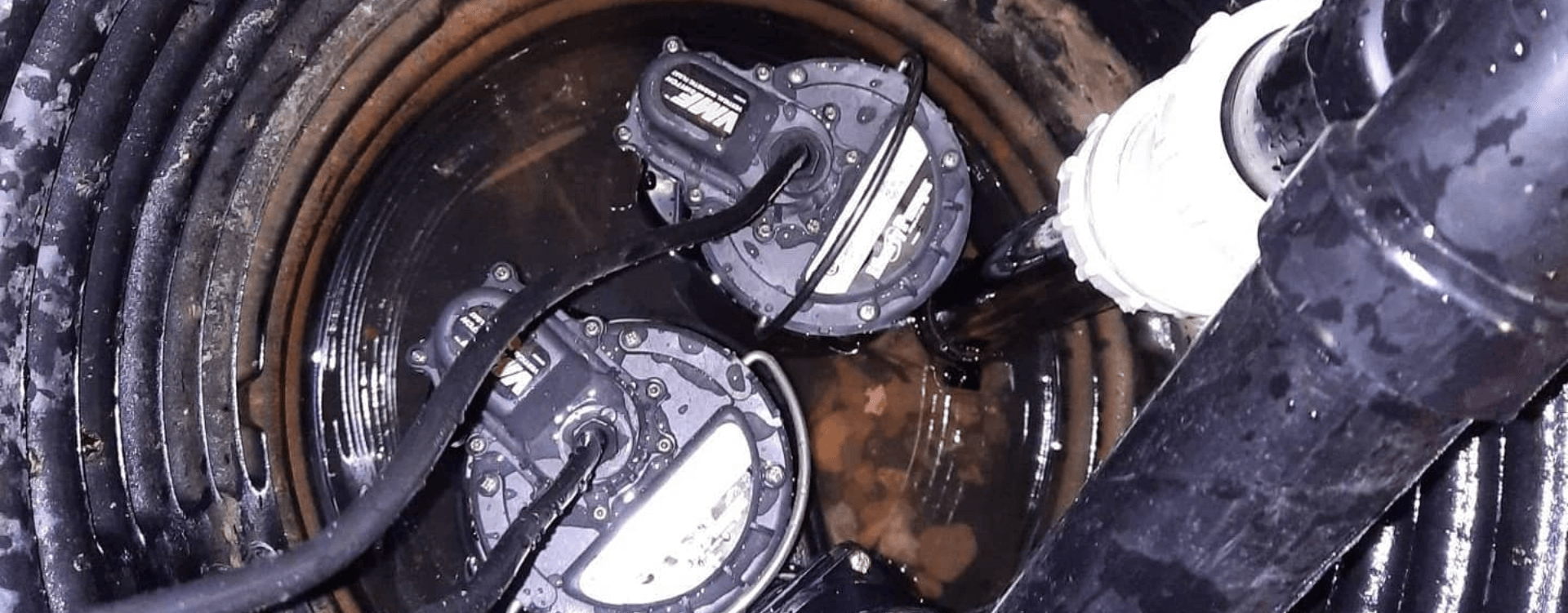
Septic tank pumping service is one of the most important parts of keeping your home’s wastewater system running safely and efficiently. Without regular pumping, solid waste can quickly damage your tank, drain field, and even your home’s interior.
Your septic tank handles all the wastewater from your home, including everything from your sinks, showers, and toilets. Without regular pumping, solid waste builds up and can cause serious problems for your entire system. Most homes need septic tank pumping every three to five years to keep the system working properly and avoid costly repairs.
Finding a reliable septic system pumping service near you is important for maintaining your home’s wastewater system. Professional technicians have the right equipment and training to safely remove waste and check for potential issues. Regular service protects your property and helps your septic system last longer.
This guide will explain how the pumping process works and help you spot warning signs that your tank needs attention. You’ll learn how to figure out the right pumping schedule for your home and understand what happens when maintenance gets skipped. Taking care of your septic system now saves you from expensive emergency repairs later.
Here’s what you’ll learn in this article:
- Preventing system failures
- Steps technicians take during pumping
- Warning signs of an overdue pump-out
- Determining the right pumping interval
- Risks posed by skipping maintenance
- Benefits of regular professional service
Keep reading to learn how to protect your septic system with the right pumping schedule and avoid costly emergencies down the road.
Preventing system failures
Regular septic tank pumping protects your system from breakdowns by removing solid waste before it causes clogs, drain field damage, or complete system shutdown.
Solid waste build-up over time
Your septic tank naturally accumulates solid waste every day. When you use sinks, toilets, and showers, wastewater enters the tank where solids settle to the bottom as sludge.
Over time, this sludge layer grows thicker. The tank has limited space for wastewater to flow through properly. When solids take up too much room, the system can’t function correctly.
Most tanks need pumping every 3 to 5 years. Your specific timeline depends on your household size and tank capacity. A family of four fills a tank faster than a couple living alone.
Factors that speed up solid waste accumulation:
- Number of people in your home
- Garbage disposal use
- Water usage habits
- Tank size
- What you flush down drains
The longer waste sits without removal, the harder it becomes. Hardened sludge is difficult to pump and can damage your system.
Pumping prevents sludge from entering the drain field
Your drain field treats wastewater after it leaves the septic tank. It’s designed to handle liquid only, not solid waste.
When your tank fills with too much sludge, solids escape into the drain field. These solids clog the soil and pipes meant to filter clean water back into the ground. The drain field can’t process solids properly.
Once sludge enters your drain field, the damage is often permanent. Clogged drain fields stop absorbing water. This causes sewage backups in your home and standing water in your yard.
Regular pumping keeps the sludge level low enough that only liquids exit the tank. Your drain field stays clear and continues filtering wastewater effectively. This simple maintenance step protects the most expensive part of your septic system.
Neglecting pumping leads to expensive repairs
Skipping regular pumping causes problems that cost far more than routine maintenance. According to the U.S. Environmental Protection Agency, regular septic maintenance fees of $250 to $500 every three to five years are a bargain compared to repairing or replacing a malfunctioning system, which can cost between $5,000 and $15,000 for a conventional setup.
Common repair costs from neglected pumping:
- Drain field replacement: $5,000-$20,000
- Tank repairs: $500-$3,000
- Pipe replacement: $1,000-$4,000
- Sewage cleanup: $2,000-$10,000
You’ll also face health risks from sewage backups and contaminated groundwater. Bacteria and pathogens from raw sewage create unsafe conditions for your family. Your local health department may require immediate repairs before you can occupy your home.
Scheduled pumping every few years prevents these scenarios completely. The small investment in maintenance saves you from system failures and protects your property value.
Steps technicians take during pumping
Professional technicians follow a specific process to remove waste from your septic system and check for potential problems. Each step helps maintain your tank’s function and prevents future issues.
Locating and opening the access lid
Technicians start by finding your septic tank’s location using property records, visual clues, or electronic locating tools. Once they identify the tank’s position, they clear away any soil, grass, or debris covering the access points.
Most septic tanks have one or two access lids that need to be opened for pumping. The technician will carefully remove these lids, which can weigh between 50 to 150 pounds depending on the material. They inspect the lids for cracks or damage that could let groundwater seep into your tank.
Some older tanks have lids buried several feet underground, while newer systems feature risers that bring access points to ground level. If your tank lacks risers, the technician may recommend installing them to make future septic tank cleaning service appointments easier and less expensive.
Waste removal with vacuum equipment
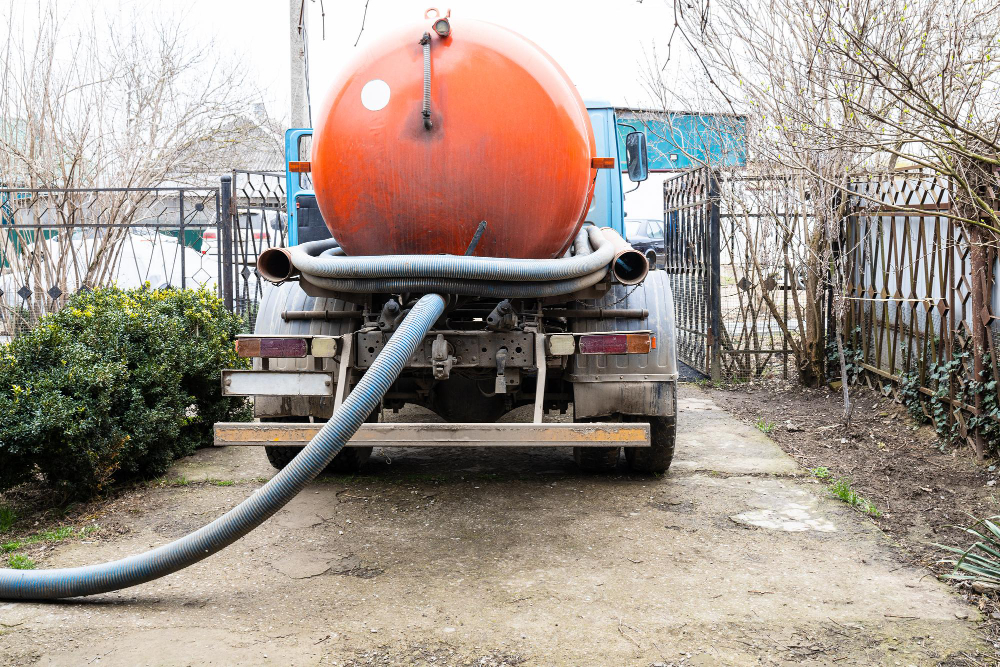
The technician inserts a large vacuum hose into your tank and begins removing all liquid and solid waste. The truck’s powerful pump creates suction that pulls sludge, scum, and wastewater into the holding tank on the vehicle.
During pumping, technicians monitor the process to ensure complete waste removal. They adjust equipment settings based on your tank’s size and the thickness of the accumulated solids. The process typically takes 30 to 60 minutes for a standard residential tank.
Professionals pump out all contents rather than just the solids. This allows them to see the tank’s interior clearly and removes any potential blockages in the inlet or outlet pipes.
Inspecting the tank during cleaning
After removing the waste, technicians examine your tank’s condition using flashlights or inspection cameras. They check the baffles, which direct wastewater flow and prevent solids from entering your drain field.
The inspection includes looking for cracks in the tank walls, damage to inlet and outlet pipes, and issues with the tank’s structural integrity. Technicians also measure the depth of remaining sludge to confirm thorough pumping.
They clean or replace the outlet filter if your system has one. This filter catches solids before they leave the tank and needs regular maintenance. The technician documents any problems and recommends repairs if needed to prevent system failure.
Warning signs of an overdue pump-out
Your septic tank will send clear signals when it’s full and needs attention. Slower drains, bad smells around your property, and strange noises from your plumbing all point to a tank that’s reached capacity.
Slow drains throughout the home
When your septic tank fills up, water has nowhere to go. You’ll notice sinks taking longer to empty and showers pooling around your feet. The toilet might take multiple flushes to clear completely.
These slow drains happen because the tank can’t accept new wastewater at a normal rate. The problem typically affects multiple fixtures at once rather than just one drain. If a single sink drains slowly, you likely have a clog. But when drains throughout your house slow down together, your tank is probably full.
Most homeowners first notice the issue in lower-level drains or the fixtures that get used most often. The problem gets worse over time as the tank fills further. Don’t wait for drains to stop working completely before calling for service.
Sewage odors near the yard or drains
A full septic tank releases hydrogen sulfide gas, which smells like rotten eggs. You might smell this odor near your drains, around the septic tank location, or above the drain field. The smell often gets stronger after you use large amounts of water.
Fresh sewage shouldn’t produce odors outside your home. When the tank reaches capacity, gases can’t escape properly through the vent system. Instead, they back up through drains or seep out around the tank itself.
You might also notice the smell near floor drains, in your basement, or in bathrooms that aren’t used frequently. Any sewage odor is a warning sign that needs immediate attention. The smell indicates your tank is either full or has a ventilation problem.
Gurgling sounds in toilets or sinks
Gurgling happens when air gets trapped in your plumbing lines because water can’t flow freely into the tank. You’ll hear these sounds most often after flushing a toilet or draining a sink. The noise is similar to water going down a partially clogged drain.
Your pipes gurgle because wastewater is trying to push through a full tank. Air bubbles form and travel back up through the system, creating the sound you hear. The gurgling often starts as a quiet noise and gets louder as the tank fills more.
These sounds can occur in one fixture while you’re using another. For example, your sink might gurgle when you flush the toilet. This cross-fixture reaction is a strong indicator that your septic tank needs pumping right away.
Determining the right pumping interval
Your septic tank needs regular pumping to function properly, but the right schedule depends on your household size, daily water habits, and the age of your system.
Household size and frequency
The number of people living in your home directly affects how often to pump septic tank systems. A family of two using a 1,000-gallon tank can wait 5-6 years between pumpings. A family of four with the same tank size needs pumping every 3-4 years.
Larger households generate more wastewater and solids, which fill your tank faster. According to the U.S. Environmental Protection Agency, the average household septic system should be inspected at least every three years by a service professional and pumped every three to five years depending on household size and water use.
Here’s a basic schedule by household size:
- 1-2 people: Every 4-6 years
- 3-4 people: Every 3-4 years
- 5-6 people: Every 2-3 years
- 7+ people: Every 1-2 years
These timeframes assume a 1,000-gallon tank with moderate water use. Smaller tanks need more frequent service.
Impact of water usage habits
Your daily water consumption changes how quickly your septic tank fills. High-efficiency appliances and water-saving fixtures extend the time between pumpings. Standard washing machines and older toilets do the opposite.
Running a garbage disposal adds food waste to your tank, which increases solid buildup. This can reduce your pumping interval by up to a year.
Frequent long showers, multiple loads of laundry per day, and running water continuously all push more volume through your system. You should track major water usage changes and adjust your pumping schedule accordingly.
Special considerations for older systems
Septic systems older than 20 years often need more frequent pumping because of reduced efficiency. Tank baffles can deteriorate, allowing solids to escape into your drainfield. Cracks or settling in older concrete tanks reduce the effective volume.
You should pump older systems every 2-3 years regardless of household size. Watch for warning signs like slow drains, sewage odors, or wet spots in your yard. These indicate your tank needs immediate attention, not just regular maintenance. Older systems may also be candidates for septic tank replacement if structural damage is found.
Older systems also benefit from professional inspections during each pumping to catch structural problems early.
Risks posed by skipping maintenance
When you skip regular septic tank pumping, you create conditions for system failure that can damage your property and cost thousands to repair. The buildup of solid waste leads to a chain reaction of problems that affect every part of your septic system.
Sludge buildup can block the system
Solid waste settles at the bottom of your septic tank as sludge over time. When you don’t pump the tank every 3-5 years, this layer grows thicker and reduces the space available for wastewater treatment.
The sludge eventually reaches the outlet pipe that leads to your drain field. Once it blocks this pipe, wastewater can’t flow out of the tank properly. Your entire system stops working the way it should.
Warning signs of sludge blockage include:
- Slow drains throughout your home
- Gurgling sounds from pipes
- Standing water near the tank
- Strong sewage odors in your yard
The sludge contains bacteria and undigested solids that need professional removal. You can’t fix this problem with drain cleaners or by running more water through the system. Only pumping the tank will remove the accumulated waste and restore normal function.
Drain field failure risks
Your drain field treats wastewater after it leaves the septic tank. When excess sludge escapes into the drain field, it clogs the soil and prevents proper filtration. Knowing how a failed drain field is repaired helps you understand why early action matters so much.
The soil around your drain field pipes needs open pores to absorb and filter wastewater. Sludge fills these pores and creates a barrier that water can’t pass through. This condition is often permanent and requires drain field replacement.
Replacing a failed drain field costs between $3,000 and $10,000 depending on your property size and soil conditions. Most homeowners insurance policies don’t cover this expense because it results from lack of maintenance.
You’ll notice soggy patches of grass, sewage smells, or pooling water above your drain field when it starts to fail. By this point, significant damage has already occurred.
Possible sewage backups indoors
Raw sewage can back up into your home through drains, toilets, and tubs when your septic tank fills beyond capacity. This creates a health hazard and damages floors, walls, and personal belongings. Installing a backwater valve can add an extra layer of protection against sewage flowing back into your home during these situations.
According to the U.S. Centers for Disease Control and Prevention, raw sewage can contain pathogens that cause gastrointestinal illness, hepatitis, and respiratory issues. Anyone exposed to raw sewage needs to clean affected areas with proper disinfectants and may need medical attention.
The backup typically starts in your lowest drains first, such as basement toilets or floor drains. As pressure builds in the system, sewage will come up through higher fixtures including kitchen sinks and bathtubs.
Cleanup costs range from $2,000 to $10,000 depending on how much sewage entered your home and what materials were damaged. You’ll also need emergency pumping service, which costs more than scheduled maintenance.
Benefits of regular professional service
Professional septic pumping protects your investment and prevents major problems down the road. Regular maintenance catches issues before they become expensive emergencies and keeps your system running smoothly for years.
Lower long-term repair costs
Regular professional service reduces what you spend on repairs over time. When experts pump your septic tank every 3-5 years, they remove accumulated solids before they cause damage to your drain field or backup into your home. A routine pumping appointment costs a few hundred dollars, while replacing a failed septic system can run $10,000 to $30,000.
Cost comparison:
- Regular pumping: $300 to $600
- Drain field repair: $2,000 to $10,000
- Full system replacement: $10,000 to $30,000 or more
Professional technicians also help your tank last longer by maintaining proper water levels and removing sludge that can corrode tank walls. The money you spend on septic tank maintenance service saves you from major expenses later. Think of it as insurance for one of your home’s most important systems.
Early detection of small issues
Professional technicians spot problems during routine visits that you would miss on your own. They inspect tank walls for cracks, check baffles for damage, and test the drain field for signs of failure. A small crack caught early might cost $200 to seal, but if left unnoticed, it could lead to groundwater contamination and thousands in remediation costs.
Trained professionals know what healthy septic systems look like. They measure sludge levels, check for unusual odors, and look for signs of tree root intrusion. Many companies document their findings with photos and detailed reports, so you have a complete history of your system’s condition.
These inspections often reveal issues like damaged inlet or outlet baffles, which are simple fixes during a scheduled service call. Waiting until you notice wet spots in your yard or slow drains means the problem has already gotten worse.
Avoiding emergency service calls
Emergency septic services cost two to three times more than scheduled appointments. When your system backs up on a weekend or holiday, you pay premium rates for immediate help. Regular pumping keeps your tank from reaching critical levels where backups become likely.
A maintained system rarely fails without warning. Professional service prevents the scenarios that lead to emergencies: overflowing tanks, clogged drain fields, and sewage backing up into your home. You avoid the stress and health hazards of raw sewage in your house.
Scheduled service also means you choose when technicians come to your property, not the other way around. You can plan around your schedule instead of dealing with an urgent situation that disrupts your life and costs significantly more money.
Conclusion
Regular septic tank pumping keeps your system working properly and prevents expensive problems. Most homes need pumping every 3 to 5 years, but your schedule depends on your tank size and household water use.
Professional pumping service includes locating and opening your tank, removing all solids and liquids, inspecting the system for damage, and ensuring everything functions correctly. This process protects your property value and prevents health hazards from sewage backups.
You should hire trained technicians who have the right equipment and knowledge to handle waste safely. They can spot early warning signs of problems during pumping.
Keep records of your pumping dates and any repairs. This helps you stay on schedule and provides valuable information if you sell your home.
Don’t wait for warning signs like slow drains, bad odors, or standing water in your yard. Schedule your pumping before problems start. Taking care of your septic system now saves you money and stress later.
For trusted septic tank pumping service in Peterborough and the surrounding area, contact Cardinal Home Services today to schedule your next pumping appointment and keep your system running reliably for years to come.