


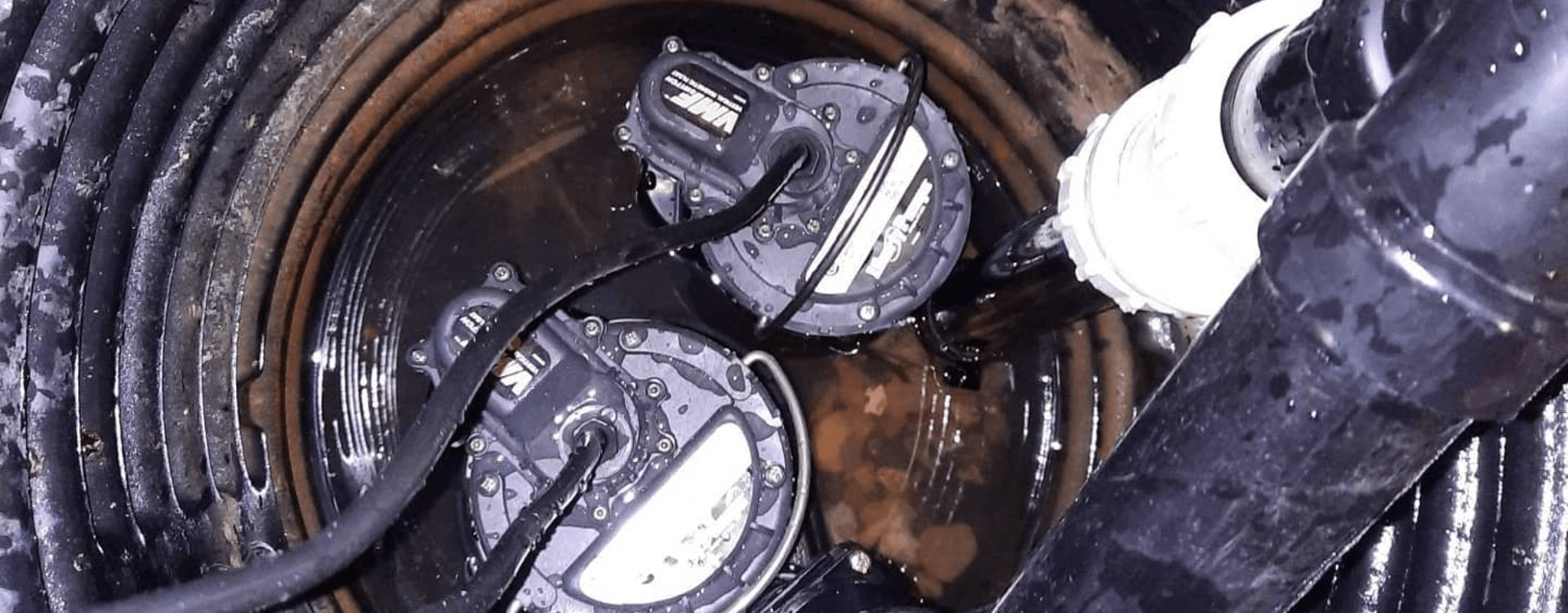

You close up the cottage in the fall and open it again in spring, and for a few years the pipes just work. Then one weekend you walk in and the downstairs toilet gurgles back at you. A main drain backup in an older Kawartha Lakes cottage is rarely sudden. It is usually a slow problem that waited until you were in the room to show itself.
Many cottages around the Kawarthas were plumbed decades ago with what was standard then, often cast iron or clay tile, running a short distance to a septic tank. That pipe has been through years of freeze-thaw cycles and tree roots looking for water. A full-time home gets used every day, and that use tends to flush small problems through. A seasonal cottage sits quiet for months, and quiet is when roots, grease and settling ground do their damage.
In this article, you will learn:
- What makes older Kawartha Lakes cottages more prone to main drain backups
- The warning signs cottage owners miss
- How a backed-up main drain is diagnosed and fixed
- Steps that lower the odds of a repeat backup
Why older cottages back up more than newer builds
A main drain backup is rarely one single failure. It is usually the pipe, the ground around it and the way the cottage is used, all working against each other. Older cottages tend to combine all three.
The pipe material works against you
Cast iron corrodes from the inside, and as it does the interior roughens and narrows, catching paper, grease and debris. Clay tile pipe is jointed every few feet, and those joints were never watertight by today’s standards. Moisture seeping from a loose joint draws tree roots toward the pipe, and once a root gets inside it keeps growing into a mat that catches everything passing through.
- Cast iron narrows inside as it corrodes, reducing flow over the years.
- Clay tile joints sealed with mortar or tar break down and separate with age.
- Modern plastic pipe resists root intrusion far better than either.
That is why two cottages built the same year on the same road can have very different histories. One sits on well-drained soil with no big trees nearby. The other has a mature maple with roots running toward the old pipe trench.
Seasonal use hides problems
Daily use in a year-round home works like a stress test, pushing small amounts of debris through before they build up. A cottage closed for the winter does not get that. Grease from the last weekend cools and hardens on the pipe wall, water sits in low spots, and any root intrusion keeps growing with nobody there to notice a slow drain.
Then the first long weekend arrives, and three bathrooms and a dishwasher run at once. The line gets more volume than it has seen in months. Many cottage septic systems were also sized for the original owners, not for today’s weekend crowd, and that mismatch between old infrastructure and current use is a steady source of sewer backups.
The septic connection changes what “main drain” means
Many cottages in Kawartha Lakes are not on municipal sewer. The main drain runs from the house to a septic tank, and that matters for diagnosis. A backup can mean a blocked pipe between house and tank, a tank that is overdue for pumping, or a struggling leaching bed that can no longer absorb water.
Owners often assume the worst, a collapsed pipe needing excavation, when the tank simply needs a pump-out. The reverse happens too: some owners keep booking pump-outs while the real problem is roots in the house-to-tank line, which pumping will never fix.
- Start with the pipe from the house to the tank, the shortest and most accessible section.
- Check the tank for solids buildup if that line is clear.
- Check the leaching bed last, since bed problems are the most expensive to confirm and repair.
The warning signs most cottage owners miss
Backups rarely arrive with no warning. The warning is usually there weeks or a season earlier, easy to dismiss between visits.
Slow drains that come back after you leave
A sink or tub that drains slowly on arrival and seems fine by Sunday is not fixed. The first rush of water pushes past a partial blockage, and the blockage re-forms as soon as flow stops. If you only visit every other weekend, you may never see the pattern. A slow drain that improves and then returns is one of the clearest signs your main drain needs cleaning.
- Several fixtures draining slowly at once points to the main line, not one fixture.
- A drain that gurgles when another fixture runs means air is trapped behind a partial blockage.
Odors and sounds at the lowest drain
Sewer gas near a floor drain or outside cleanout, toilets gurgling when the washing machine drains, or water rising in a tub when the toilet flushes all point to a restriction in the main line. These signs usually show up first at the lowest drain in the cottage, often a utility-room floor drain nobody looks at.
What to do when you notice them
- Note which fixtures are affected and whether it gets worse with more water use.
- Avoid running several water sources at once until the line has been checked.
- Book an inspection before the next long weekend, not after the backup.
A partial clog found in spring is usually a routine cleaning. The same clog ignored through a season of heavy use can become a damaged section that needs excavation.
How a backed-up main drain is diagnosed and fixed
Camera inspection comes before any digging
A sewer camera shows where a blockage, root mass or damaged section sits and how far it runs. A main drain inspection rules excavation in or out before anyone commits to the cost of opening the yard. On an older clay or cast iron line, it also shows the general condition of the pipe. One root intrusion in otherwise sound pipe is a very different job from roots at three joints and corrosion throughout.
Clearing the line when that is the honest answer
Many cottage backups are solved by clearing, not replacement. Mechanical cutting handles root masses and solid blockages. Hydro jetting uses high-pressure water to scour grease and scale from the pipe wall. A camera pass afterward confirms the line is truly clear, not just passable. Neither method repairs a pipe that is failing structurally, which is why the camera comes first.
When repair or replacement is the honest call
If the camera shows a collapsed section, heavy corrosion or root damage at several points, clearing will not hold. The choice is then between excavating the damaged section and trenchless pipe repair, which relines or replaces the pipe through small access points. On a cottage lot with mature trees, landscaping or a driveway over the line, trenchless can mean a much smaller disruption.
Lowering the odds of a repeat backup
Use opening and closing as checkpoints
- On opening weekend, run water at every fixture and flush every toilet before guests arrive.
- Have the septic tank pumped on a regular schedule, not only when there is a problem.
- For a known older line, schedule a camera inspection every few years.
Know what not to put down an old line
- Grease and cooking oil go in the garbage, never down the drain.
- Wipes labeled flushable do not break down like toilet paper.
- Keep garbage disposal use to a minimum on a septic system.
Consider the long-term case for replacement
For a cottage with repeat backups on the same aging pipe, ongoing clearing can eventually cost more than one trenchless replacement. Ask for the line’s service history before deciding whether another clearing makes sense. A review hosted by the U.S. Forest Service reports that tree roots cause more than half of reported sewer and drain blockages, and that major breaks happen more often in older pipe systems.
Frequently asked questions
Why does my cottage drain back up only on busy weekends?
A partly blocked line can handle light use. When several bathrooms, laundry and a dishwasher run together, the extra volume exceeds what the narrowed pipe can carry.
Will pumping the septic tank fix a main drain backup?
Only if the tank is the problem. If roots or debris are blocking the pipe between the house and the tank, pumping will not help.
How often should an older cottage line be inspected?
If the line is cast iron or clay and has a history of slow drains, a camera inspection every few years is sensible. Inspect sooner if warning signs come back.
Can roots be removed without digging?
Yes, roots can be cut and the line cleared from inside. If the joint they came through stays open, they will return, so a lasting fix may need a liner or a pipe repair.
Get your cottage drain checked before the next long weekend
A slow drain in spring, an odor near the floor drain, a gurgle when the washer runs: these are the cottage telling you something before it becomes an emergency. Cardinal Home Services handles main drain cleaning, camera inspections, septic service and trenchless repair across Peterborough and the Kawarthas. See our main drain services in Kawartha Lakes or contact us.
Call Cardinal Home Services at 705-745-1221.