


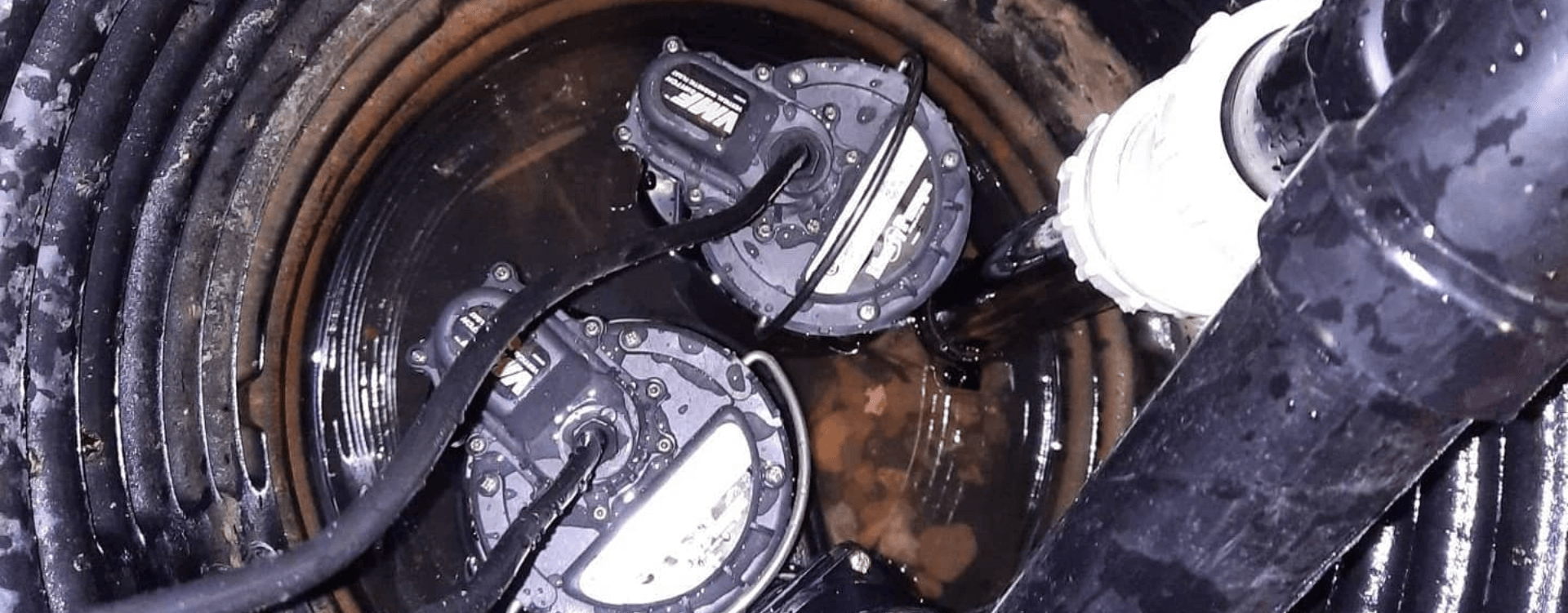
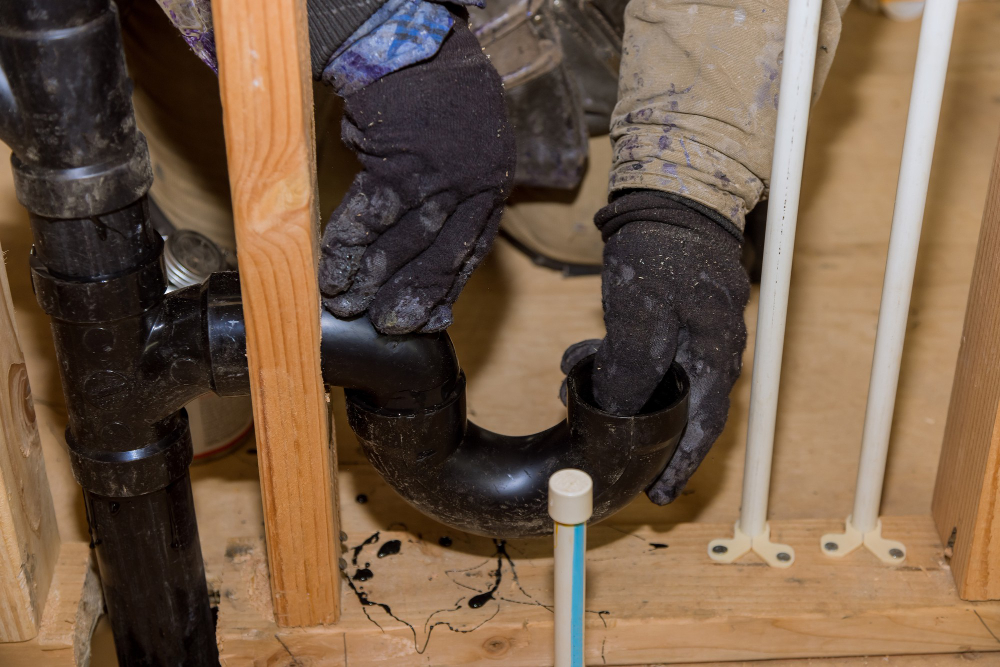
Your main drain is the single pipe that carries all of the wastewater from your home out to the municipal sewer or your septic system. Every sink, toilet, shower, and appliance in the house connects to it. When the main drain is clear, everything flows the way it should and you never give it a second thought. When it starts to narrow or block, the symptoms show up in places you might not immediately connect to one shared pipe.
Learning to recognize the signs your main drain needs cleaning in Kawartha Lakes, Ontario can save you from one of the most unpleasant and expensive plumbing emergencies a homeowner can face. A full main drain backup does not just mean a slow sink. It can mean raw sewage coming up through your basement floor drain, and the cleanup costs that follow can reach into the thousands.
Kawartha Lakes has a housing stock that spans everything from century-old farmhouses and lakefront cottages to newer subdivisions in Lindsay and Bobcaygeon. Many of these properties sit on lots with mature trees, aging underground pipes, and soil conditions that shift with the seasons. All of these factors accelerate the kind of buildup and intrusion that leads to main drain problems, and they make early detection especially valuable in this part of Ontario.
The good news is that your plumbing almost always gives you warning before a full blockage happens. This article covers the specific symptoms to watch for, what causes them, and when it is time to call for professional cleaning rather than hoping the problem goes away on its own.
In this article, you will learn about:
- Your plumbing is trying to tell you something, here is how to listen
- What actually causes main drain blockages in Kawartha Lakes
- Is it one drain or the whole house, and how to tell the difference
- What happens if you ignore the warning signs too long
- What a professional main drain cleaning actually looks like
- Keeping your main drain clear after it has been cleaned
Keep reading to catch a developing main drain problem before it turns into a basement full of sewage.
Your plumbing is trying to tell you something, here is how to listen
A main drain blockage rarely happens all at once. The pipe narrows gradually from buildup, root intrusion, or debris accumulation, and the symptoms escalate over weeks or months. Most homeowners see the early signs and explain them away. The drain is “just a little slow.” The toilet “does that sometimes.” Learning to read these signals for what they are is the fastest way to avoid the emergency version of the same problem.
More than one drain slowing down at the same time
A single slow drain usually means a clog somewhere in that fixture’s branch line. Hair in a shower drain or grease in a kitchen line are common and localized. You clear them and move on.
But when two or more drains in different parts of the house start slowing down around the same time, the problem is almost certainly downstream of where their lines converge. That convergence point is your main drain.
If the kitchen sink, the basement shower, and a bathroom sink are all draining sluggishly within the same week, that is not a coincidence. The shared pipe is the common denominator, and it is the one homeowners most often dismiss as unrelated fixtures having unrelated problems.
That gurgling sound is not normal
When water drains through a narrowed main line, it displaces air unevenly. That air has to go somewhere, and it often escapes through the nearest available opening, usually a toilet, a floor drain, or a sink in a lower part of the house.
The result is a gurgling or bubbling sound when one fixture causes noise in another. If flushing a toilet makes the bathtub drain gurgle, or running the washing machine causes bubbling at the basement floor drain, air is being pushed through trapped water in the P-traps. That means the main line is not moving water and air freely anymore.
Gurgling that happens once after a heavy flush might be nothing. Gurgling that is consistent and getting louder over time is a main drain telling you it is running out of room.
Sewage smell coming from drains you barely use
A properly functioning drain system is sealed by the water sitting in each fixture’s P-trap. That water creates an airtight barrier between your living space and the sewer gases in the pipe.
When the main drain is partially blocked, the change in air pressure inside the system can siphon water out of those traps. Once a trap runs dry, sewer gas enters the house. You might notice it near a basement floor drain, a rarely used bathroom, or around the cleanout cap outside.
The smell is distinctive and hard to mistake for anything else. If it comes and goes depending on how much water the household is using, that pattern alone points to a main line that is restricting flow.
Water coming up from the basement floor drain
This is the symptom that gets homeowners’ attention in a hurry, and for good reason. The basement floor drain is typically the lowest fixture connected to the main drain. When the main line cannot move water out fast enough, the basement is where it surfaces first.
If you see water bubbling up from the floor drain when the washing machine runs or when someone flushes a toilet upstairs, the main drain is significantly obstructed. This is not an early warning sign. It is a late one, and it usually means cleaning is needed immediately to avoid a full sewer backup.
What actually causes main drain blockages in Kawartha Lakes
Understanding why main drains block helps you recognize the risk factors on your own property. In Kawartha Lakes, a few causes show up far more often than others.
Roots find their way into everything
This is the single most common cause of main drain blockages in older Kawartha Lakes homes. Tree roots are drawn to the moisture and nutrients inside sewer pipes, and they enter through any available gap, whether that is a cracked joint, a small fracture, or a deteriorated connection.
Once inside the pipe, roots grow and branch. They catch grease, paper, and other debris flowing through the line, and the blockage builds around them. A root mass can reduce the effective diameter of a pipe by half or more before you notice any symptoms inside the house.
Properties in Lindsay, Fenelon Falls, Bobcaygeon, and the rural areas between them often have large trees growing within a few metres of the main drain path. Willows, silver maples, and poplars are especially aggressive, but any mature tree close enough to the line can cause problems over time.
Grease and soap buildup is slower but just as serious
Roots get the attention, but grease does the quiet damage. Every time you wash dishes, run laundry, or take a shower, small amounts of grease, soap residue, and organic matter enter the drain system. None of it seems like a problem in the moment.
Over months and years, though, that residue coats the interior walls of the main drain pipe. The coating hardens and narrows the pipe incrementally. It does not take much. A pipe that has lost even 20 to 25 percent of its interior diameter will drain noticeably slower under heavy use, and it will catch debris that would have passed through a clean line.
Homes with older cast iron or clay pipe are especially susceptible because the rough interior surface of these materials gives grease and soap something to grip.
The pipe itself may be the problem
In parts of Kawartha Lakes where homes were built before the 1970s, the main drain may be clay tile, orangeburg (a compressed fibre material that deteriorates over decades), or early-generation PVC with joints that have shifted over time.
Clay tile pipes are durable but their joints are the weak point. Soil movement from frost heave, which happens every winter in this part of Ontario, can shift the sections apart just enough to let roots in and create low spots where debris collects. Orangeburg pipe, if it is still in service, is likely well past its useful life and may be collapsing inward.
Even newer PVC lines can develop problems if they were not bedded properly during installation or if heavy equipment has driven over the line and created a belly in the pipe. A bellied section holds standing water, and standing water collects sediment that eventually restricts flow.
Seasonal soil movement makes everything worse
Kawartha Lakes experiences significant frost penetration in winter. The freeze-thaw cycle that happens every spring shifts the soil around buried pipes, and that movement can open joints, crack rigid materials, and change the grade of a line that was laid flat when it was installed.
This is why some homeowners notice main drain symptoms appearing or worsening in spring. The pipe may have been borderline before winter, but the soil movement during the thaw pushed it past the tipping point. A sewer line inspection with a camera after a difficult winter can catch these shifts before they cause a full blockage.
Is it one drain or the whole house, and how to tell the difference
Not every slow drain means your main line is in trouble. Branch line clogs are far more common and much simpler to resolve. Knowing how to tell the two apart saves you from either over-reacting to a hair clog or under-reacting to a main line that is closing up.
The flush test that tells you where the problem is
The simplest way to narrow it down is to run water in one area of the house and watch what happens elsewhere.
- Run the kitchen sink for 30 seconds and check whether the basement floor drain gurgles or backs up.
- Flush a toilet and watch whether the bathtub drain bubbles or the water level in a nearby sink rises.
- Run the washing machine through a drain cycle and check the lowest floor drain in the house.
If running water in one fixture causes symptoms in a different fixture, especially one on a different floor or the opposite side of the house, the blockage is in the shared main line. If the problem stays isolated to one sink or one bathroom, it is likely a branch clog that can be handled at the fixture level.
When a branch clog mimics a main line problem
There are a few situations where a branch line issue can feel like a main drain problem. A clog in a vertical stack, the large pipe that connects upper-floor fixtures to the main drain, can affect every fixture on that stack while leaving the rest of the house normal.
If only the upstairs bathroom and the main floor kitchen are slow but the basement fixtures are fine, the clog might be in the stack rather than the main line. A plumber can confirm this quickly with a camera or by accessing the cleanout.
The key question is always the same: are the affected fixtures connected to the same branch, or are they spread across different parts of the house? If they are spread out, it is the main.
What happens if you ignore the warning signs too long
It is tempting to put off a drain cleaning when the problem seems manageable. The drains are slow but they still work. The gurgling is annoying but it is not flooding. This is the stage where most homeowners decide to wait, and it is the stage where waiting costs the most.
A partial blockage becomes a complete one
A main drain that is 60 percent blocked can still handle normal daily use most of the time. It struggles during peak periods, like when the dishwasher and washing machine run simultaneously, but it recovers.
The problem is that a partial blockage only moves in one direction. Grease continues to build. Roots continue to grow. Sediment continues to collect in low spots. There is no scenario where a partially blocked main drain clears itself. The only question is whether the full blockage happens while you are home and can react or while you are away and the damage accumulates for hours.
Sewage backup is a health hazard, not just a mess
When a main drain backs up completely, the wastewater has to go somewhere. It comes up through the lowest drain in the house, which in most Kawartha Lakes homes is the basement floor drain. Raw sewage in a finished or semi-finished basement creates immediate health risks from bacteria, viruses, and other pathogens in the wastewater.
According to the Insurance Bureau of Canada, sewer backup damage in a basement is only covered if the homeowner has purchased specific optional sewer backup coverage. A standard home insurance policy typically does not cover it. And even with the right coverage, a backup claim resulting from deferred maintenance can be denied if the insurer determines the homeowner did not take reasonable steps to prevent it.
The cost of professional main drain cleaning is a fraction of the cost of sewage remediation, drywall replacement, and damaged belongings in a finished basement.
Drain field and septic damage for properties off the municipal system
For Kawartha Lakes homes on septic systems rather than municipal sewer, a main drain blockage creates an additional risk. If the blockage causes wastewater to sit in the line rather than flowing to the tank, or if it forces excess water into the tank faster than normal, the entire septic system is affected.
A backed-up main drain can push solids into the tank faster than they can settle. That sends suspended solids to the drain field, which starts the same clogging process described in the section above. Protecting the main drain protects everything downstream of it.
What a professional main drain cleaning actually looks like
If you have never called for a main drain cleaning, it helps to know what the process involves. It is less disruptive than most homeowners expect, and a good technician will give you information about the condition of your line that helps you plan ahead.
Access and inspection come first
The technician starts by locating the main cleanout, a capped access point on the main drain line, usually in the basement or on the exterior of the home near the foundation. If your home does not have an accessible cleanout, one may need to be installed, which is a worthwhile investment on its own because it makes future cleaning faster and less invasive.
In many cases, especially when the cause of the blockage is not obvious, the technician will run a camera through the line before cleaning. This shows exactly what is causing the restriction, whether it is roots, grease, a collapsed section, or a foreign object, and it determines the right cleaning approach.
Mechanical cleaning or hydro jetting depending on the situation
For most residential main drain cleanings in Kawartha Lakes, the technician will use one of two methods.
A mechanical drain snake or auger is a flexible cable with a cutting head that feeds into the pipe and breaks through blockages physically. It is effective for root masses, solid obstructions, and heavy buildup in shorter runs of pipe.
Hydro jetting uses high-pressure water to scour the interior walls of the pipe, removing grease, scale, and root fragments more thoroughly than a mechanical snake. It is especially effective for lines with heavy grease buildup or recurring root problems because it cleans the full diameter of the pipe rather than just punching a hole through the centre of the blockage.
The technician will recommend the method based on what the camera inspection shows and the condition of the pipe. Older clay tile lines may not be suitable for high-pressure jetting if the joints are already compromised, and a good technician will factor that into the plan.
What you should learn from the appointment
A drain cleaning is not just about restoring flow. It is an opportunity to understand the current condition of your main line and what to expect going forward.
After the cleaning, the technician should be able to tell you what caused the blockage, whether the pipe has structural issues that need monitoring or repair, and how quickly you can expect the problem to return based on what they found. If roots are the cause, for example, they will likely recommend a cleaning interval, often every 12 to 24 months, to stay ahead of regrowth.
Ask to see the camera footage. A reputable company will walk you through it and point out areas of concern. This information is valuable for long-term planning, especially if the line eventually needs repair or replacement through excavation services.
Keeping your main drain clear after it has been cleaned
Once the line is clean, the goal is to keep it that way for as long as possible. Some of this is about daily habits, and some is about understanding the specific risks your property carries.
What to keep out of your drains year-round
The majority of residential drain blockages, excluding root intrusion, start with things that should never have entered the system. The rules are simple, but they bear repeating because most households break at least one of them regularly.
Never pour cooking grease, oil, or fat down the kitchen sink. Let it cool and put it in the trash. Do not flush anything other than toilet paper. Wipes labeled “flushable” do not break down the way toilet paper does and they are one of the most common components of main drain blockages nationwide. Keep food scraps, coffee grounds, and eggshells out of the drain even if you have a garbage disposal. Use drain strainers in showers and tubs to catch hair before it enters the pipe.
These habits do not eliminate the risk, but they dramatically slow the rate of buildup between cleanings.
Know your property’s risk factors
Some Kawartha Lakes properties are higher risk for main drain issues than others. If your home has any of the following characteristics, a shorter cleaning interval or more frequent camera checks may be warranted:
- Mature trees within five metres of the main drain path
- Original clay tile or orangeburg pipe that has never been replaced
- A history of previous main drain blockages or backups
- Septic system rather than municipal sewer connection
- A bellied or low-spot section identified on a previous camera inspection
Knowing these risk factors helps you and your plumber set a realistic maintenance schedule rather than waiting for the next set of symptoms to appear.
Setting a cleaning schedule based on your home
For homes with known root intrusion, a cleaning every 12 to 18 months is a reasonable starting point. For homes with grease buildup as the primary issue, a longer interval may work as long as drain habits stay disciplined.
The best approach is to base the schedule on what the technician finds at each cleaning rather than using a fixed calendar. If the camera shows heavy regrowth at 12 months, tighten the interval. If the line is relatively clear at 18 months, you have room to extend.
A written record of each cleaning, including the date, the findings, and the recommended next service, gives you and any future owner of the property a clear picture of the line’s condition over time. This is especially important in Kawartha Lakes, where older properties change hands frequently and buyers are increasingly asking for plumbing maintenance history as part of due diligence.
Conclusion
Your main drain gives you warning before it fails. Slow drains in multiple areas, gurgling from fixtures you are not using, sewage smells near floor drains, and water surfacing where it should not are all signals that the line needs attention. Every one of these symptoms is easier and cheaper to address while the drain is still partially functional than after it has stopped working entirely.
Kawartha Lakes homes face a combination of mature trees, aging pipe materials, seasonal soil movement, and hard water conditions that make main drain maintenance more important here than in many parts of Ontario. If you are seeing any of the signs described in this article, or if it has been more than two years since your main line was last inspected, now is the time to act.
Cardinal Home Services provides main drain cleaning, camera inspection, and full drain and sewer line service across Kawartha Lakes, Peterborough, and the surrounding region.
One call is enough to get a technician to your property, find out what is happening inside the line, and get it cleared before the next heavy use day or the next storm turns a slow drain into a serious problem.