


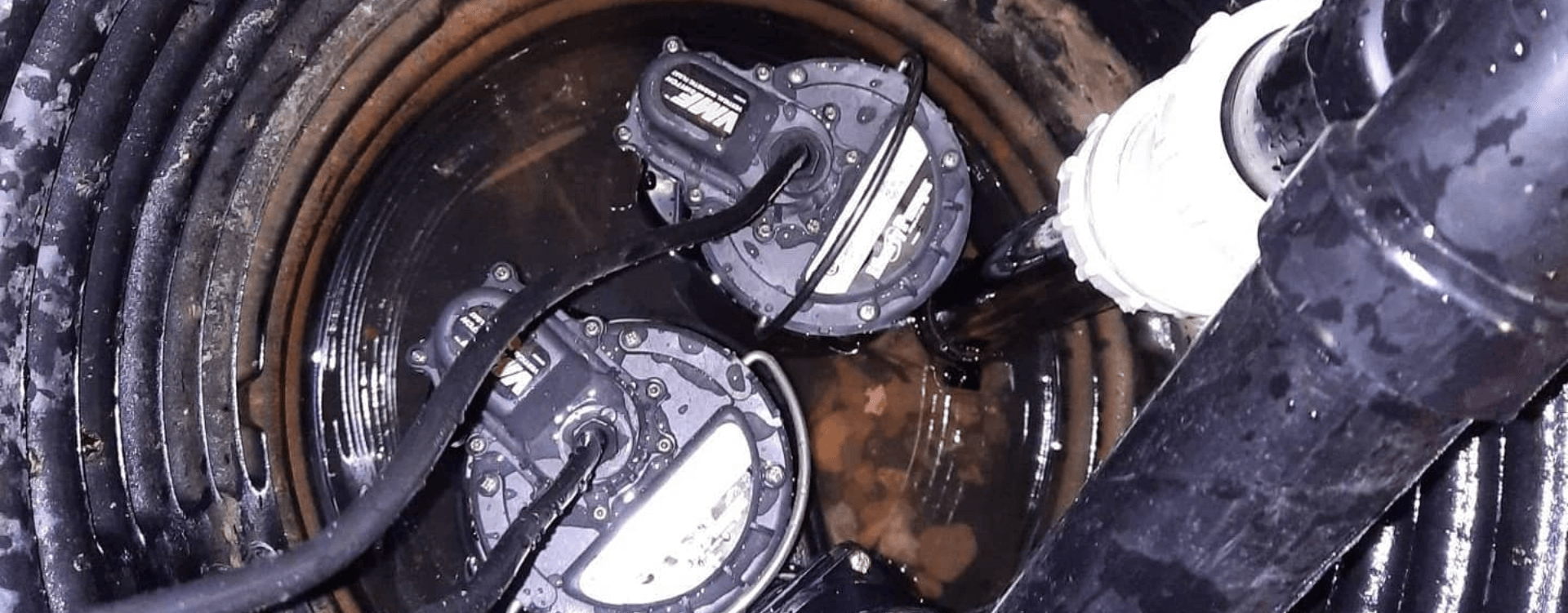
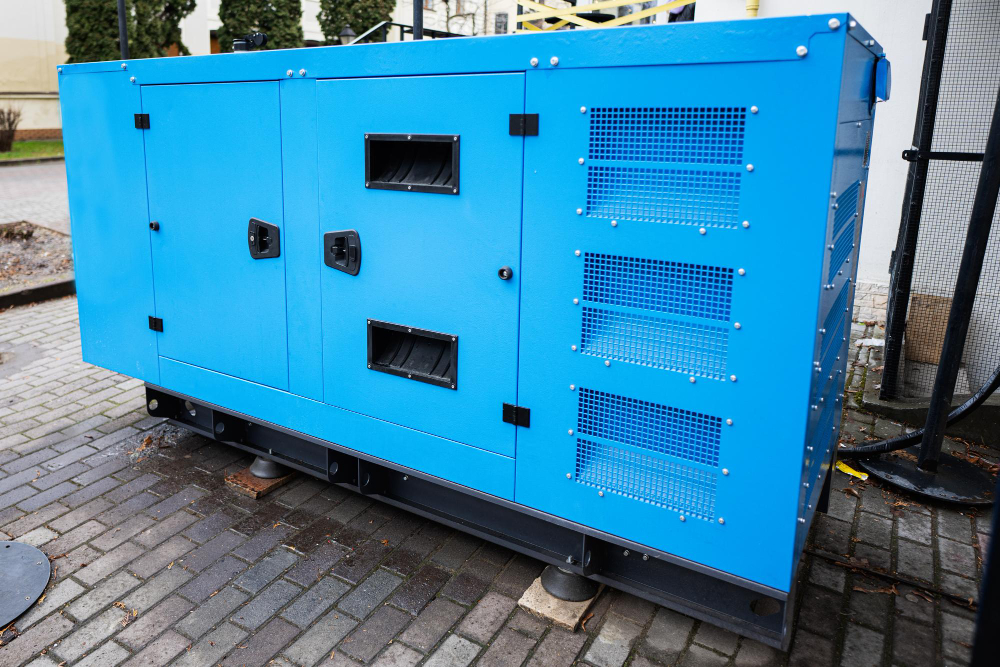
A home generator is the kind of investment you make hoping you will rarely need it, and then when the power goes out during a January ice storm or a July thunderstorm, it becomes the most important piece of equipment on your property. The furnace, the sump pump, the fridge, the well pump if you are on a private well, they all depend on it. And if the generator does not start when the grid goes down, every one of those systems goes with it.
Generator maintenance saves money in Clarington, Ontario not because the maintenance itself is expensive, but because the failures it prevents are. A generator that sits idle for months and then gets called into service without any attention in between is a generator that is far more likely to fail at the worst possible moment.
The repair bill, the spoiled food, the frozen pipes, the flooded basement from a dead sump pump, those are the real costs of skipping maintenance. The annual service that would have prevented them is a fraction of any one of those outcomes.
Clarington homeowners, from the subdivisions in Bowmanville and Courtice to the rural properties north of Orono and east of Newcastle, rely on standby and portable generators for different reasons but face the same reality.
A generator only earns its keep if it starts when you need it. And reliable starting is not something that happens by accident. It is the result of routine care applied consistently, year after year.
This article covers what generator maintenance actually involves, why each element matters, what happens when it is neglected, and how a simple annual routine protects both the machine and the household systems that depend on it.
In this article, you will learn about:
- What actually fails when a generator is not maintained
- The maintenance tasks that matter most and how often they need to happen
- Why Clarington’s climate and power grid make maintenance more important
- How much a breakdown actually costs compared to the service that prevents it
- Portable versus standby generators and how the maintenance differs
- Building a maintenance schedule that fits your setup
Keep reading to understand why the cheapest generator repair is the one that never happens.
What actually fails when a generator is not maintained
Generators are engines, and engines that sit idle deteriorate in specific, predictable ways. Understanding what goes wrong without maintenance makes it easier to see why the annual service is not just a suggestion from the manufacturer. It is what keeps the machine functional.
Fuel system problems are the number one killer
The most common reason a standby generator fails to start after a long idle period is a fuel system issue. For natural gas and propane units, this is less of a concern because the fuel does not degrade the same way. But for gasoline and diesel generators, fuel degradation is the single biggest maintenance-related failure point.
Gasoline begins to oxidize and form varnish deposits within 30 to 60 days of sitting in a tank or carburetor. Those deposits coat the inside of fuel lines, clog the carburetor jets, and gum up the fuel injectors. A generator that ran perfectly last October can be completely non-functional by March if it was stored with untreated fuel in the system.
Diesel is more stable than gasoline but still degrades over time, especially in generators that are not run regularly. Moisture condensation inside the fuel tank introduces water into the system, which promotes microbial growth and corrosion in the tank and fuel lines.
Even natural gas and propane standby units are not immune. The gas train, the assembly of valves and regulators that controls fuel flow to the engine, can develop issues if the unit is not exercised regularly. Diaphragms stiffen, valves stick, and the unit may not achieve the correct fuel-air mixture on startup.
Battery failure is the second most common problem
A generator’s starting battery is under more stress than a car battery because it may sit for weeks or months without being used, then needs to deliver a strong cranking burst on demand. Lead-acid batteries self-discharge over time, and a battery that was fully charged in September may not have enough power to turn the engine over in February.
Standby generators with automatic transfer switches run a brief exercise cycle, usually once a week, that keeps the battery charged and the engine lubricated. But if that exercise cycle has been disabled, interrupted by a tripped breaker, or set to run without load, the battery may still lose charge faster than the trickle charger can maintain it.
Portable generators have no automatic exercise cycle at all. The battery, if the unit has electric start, sits dormant until you need it. Many homeowners discover the battery is dead at exactly the moment they are standing in the dark trying to get the generator running.
Oil that never gets changed does real damage
Engine oil breaks down chemically over time even if the engine is not running. Moisture from condensation, combustion byproducts from the last run, and oxidation all degrade the oil’s ability to lubricate and protect internal components.
A generator that runs its weekly exercise cycle on old oil is wearing its internal parts more than necessary every single time it starts. Over a few years of deferred oil changes, that accelerated wear adds up to a shorter engine life and a higher chance of mechanical failure during an extended outage when the engine is running under sustained load for the first time in months.
Manufacturer recommendations typically call for an oil change once a year or after a specific number of running hours, whichever comes first. For a standby generator that runs a short exercise cycle weekly and sees one or two outage events per year, the annual interval usually comes first.
The maintenance tasks that matter most and how often they need to happen
Generator maintenance is not complicated. The list of tasks is short, the time required is modest, and the cost of having a professional do it is far less than the cost of a single failure. Here is what a proper annual service covers and why each item is on the list.
Oil and filter change
This is the foundation of generator maintenance. Fresh oil protects the engine internals, and a new oil filter ensures that any particles or contaminants are captured before they circulate through the system.
For most residential standby generators, this means draining the existing oil, replacing the oil filter, and refilling with the grade and quantity specified by the manufacturer. The used oil should be inspected for signs of contamination, metal particles, or unusual colour that could indicate an internal engine problem.
If the generator has been running during an extended outage, the oil change interval may be shorter than the annual schedule. Most manufacturers specify an oil change after a certain number of continuous running hours, often 100 to 200 hours, which a multi-day outage can reach.
Air filter inspection and replacement
The air filter prevents dust, pollen, insects, and debris from entering the engine’s combustion chamber. A clogged air filter restricts airflow, which reduces engine efficiency, increases fuel consumption, and can cause the engine to run rich, leading to carbon buildup and premature wear.
In Clarington, where many generators sit outdoors year-round in dusty rural environments or near gravel driveways, the air filter can load up faster than the manufacturer’s general recommendation assumes. A visual inspection at least twice a year, with replacement as needed, is a practical approach.
Spark plug inspection and replacement
Spark plugs degrade with use and with time, even in engines that run infrequently. Carbon deposits, electrode wear, and gap changes all affect the plug’s ability to produce a consistent spark.
A generator with a weak or fouled spark plug may start on a calm day but fail to start in cold weather when the engine needs a stronger spark to fire. Since cold-weather outages are among the most consequential in Clarington, a spark plug that is on the edge of failure is a risk not worth carrying into winter.
Replacing spark plugs annually during the routine service eliminates this variable. They are inexpensive components that have an outsized impact on starting reliability.
Battery testing and terminal maintenance
The starting battery should be load-tested at least once a year to confirm it can deliver adequate cranking power. A voltage reading alone is not enough. A battery can show 12.6 volts at rest and still fail under the load of cranking a cold engine.
Battery terminals should be inspected for corrosion, cleaned if necessary, and confirmed tight. A loose or corroded terminal connection can prevent the battery from delivering its full output to the starter, even if the battery itself is healthy.
For standby generators, the battery charger or trickle maintainer should also be verified during the annual service. If the charger has failed silently, the battery will be dead when the next outage arrives, and the automatic transfer switch will have nothing to activate.
Coolant system check for liquid-cooled units
Larger standby generators are liquid-cooled, similar to a car engine. The coolant level, condition, and concentration should be checked annually. Low coolant, contaminated coolant, or incorrect antifreeze concentration can lead to overheating under load or freeze damage during a Clarington winter.
Coolant hoses should be inspected for cracks, swelling, or soft spots that indicate deterioration. A hose that fails during an extended outage shuts the generator down until it can be replaced, which is exactly the kind of disruption that annual maintenance prevents.
Transfer switch and electrical connection inspection
The automatic transfer switch is the component that detects a power outage and signals the generator to start. It also switches the home’s electrical load from the grid to the generator and back again when utility power is restored.
Transfer switch contacts can corrode or pit over time, especially in coastal or humid environments. Wiring connections can loosen from vibration and thermal cycling. An annual inspection confirms that the switch is functioning correctly, the connections are tight, and the control board is communicating properly with the generator.
According to the Electrical Safety Authority, generator installations in Ontario, including transfer switches, must comply with the Ontario Electrical Safety Code. Any modifications or repairs to the transfer switch or the connection between the generator and the home’s electrical panel should be performed by a licensed electrician and inspected through ESA.
Why Clarington’s climate and power grid make maintenance more important
Generator maintenance matters everywhere, but the specific conditions in Clarington and the broader Durham Region add urgency that homeowners in milder or more grid-stable areas may not face.
Ice storms and winter outages put generators under the heaviest load
Clarington’s most consequential power outages tend to happen in winter. Ice storms that bring down power lines and tree limbs can leave neighbourhoods without electricity for hours or days. During these events, the generator is not just running lights. It is running the furnace, the well pump on rural properties, the sump pump in homes with high water tables, and the refrigerator and freezer.
That is the heaviest sustained load the generator will face all year, and it happens in the coldest conditions, when starting is hardest and oil viscosity is at its peak. A generator that has been maintained is ready for this. A generator that has not been touched since it was installed is rolling the dice.
The Durham Region climate adaptation plan identifies ice storms and extreme weather events as intensifying climate risks for the region. As these events become more frequent, the value of a reliable backup power system increases proportionally.
Summer storms create a different kind of demand
Clarington also experiences summer thunderstorms that bring brief but intense power outages. These outages may only last a few hours, but they arrive when the sump pump is most active due to heavy rainfall, when the refrigerator is full of seasonal food, and when temperatures make the home uncomfortable quickly without air conditioning.
A generator that fails to start during a summer storm exposes the home to sump pump failure and potential basement flooding, food spoilage, and loss of air conditioning during extreme heat. For elderly residents or families with young children, the comfort and safety implications of even a short outage without backup power are significant.
Rural properties have more at stake
Properties on the outskirts of Clarington, in areas like Tyrone, Solina, Haydon, and the rural concessions north and east of Bowmanville, often have longer power restoration times because utility crews prioritize higher-density areas first. A home on a private well with no backup power loses water pressure entirely during an outage, which means no drinking water, no flushing, and no fire protection from the garden hose.
For these properties, a home generator installation is not a convenience. It is essential infrastructure. And maintaining that infrastructure is what keeps it functional when the power lines go down.
How much a breakdown actually costs compared to the service that prevents it
The financial case for generator maintenance is not abstract. It is a direct comparison between the cost of annual service and the cost of the failures that happen without it.
The cost of annual professional maintenance
A professional generator service visit for a residential standby unit typically includes the oil and filter change, air filter replacement, spark plug replacement, battery test, coolant check on liquid-cooled units, and a functional test of the transfer switch and control systems.
The total cost varies depending on the unit size and accessibility, but for most Clarington homeowners it falls within the range of a routine HVAC tune-up. It is a predictable, budgetable expense that happens once a year.
The cost of a generator that does not start when you need it
When a generator fails during an outage, the costs start accumulating immediately. The most common financial impacts include:
- Spoiled food from a refrigerator and freezer that have been without power for 12 or more hours, easily several hundred dollars depending on what is stored
- Frozen pipe damage if the furnace is offline during a winter outage, which can run into thousands of dollars in plumbing repair and water damage restoration
- Basement flooding if the sump pump loses power during heavy rain or spring melt, which the IBC estimates can cost an average of $43,000 to repair in Ontario
- Emergency generator repair at premium after-hours rates during the outage itself, when every generator technician in the region is booked
Any one of these outcomes costs more than years of annual maintenance. All of them are preventable with a service schedule that keeps the generator in starting condition.
Extended engine life and avoided replacement costs
A residential standby generator is a substantial investment, typically several thousand dollars for the unit plus installation. With proper maintenance, these units can provide reliable service for 15 to 25 years or more. Without maintenance, engine wear accelerates, components fail prematurely, and the unit may need replacement a decade sooner than it should.
The maintenance cost over the full lifespan of the generator is a small percentage of the replacement cost. It is one of the clearest examples in home ownership where spending a little consistently saves a lot over time.
Portable versus standby generators and how the maintenance differs
Clarington homeowners use both standby and portable generators, and the maintenance requirements differ enough that it is worth understanding what applies to your setup.
Standby generators need professional annual service
A permanently installed standby generator with an automatic transfer switch is the more complex system. It involves electrical connections to the home’s panel, a fuel supply connection (natural gas or propane), a battery and charging system, and automated controls that start and stop the unit without homeowner intervention.
The annual service for a standby unit should be performed by a technician who is familiar with the specific brand and model and who can inspect both the mechanical and electrical components. The transfer switch inspection in particular involves working with energized electrical equipment and should be handled by a licensed electrician.
Between professional visits, the homeowner’s main responsibility is confirming that the weekly exercise cycle is running as scheduled and that the generator starts and shuts down without error codes or unusual sounds.
Portable generators need owner attention more often
Portable generators are simpler mechanically but require more hands-on maintenance from the owner because they do not have automated systems to keep them ready.
The most important maintenance task for a portable generator is fuel management. If the unit will sit unused for more than 30 days, the fuel should either be stabilized with a fuel stabilizer additive or drained from the tank and carburetor entirely. Running the engine dry at the end of the season, by letting it idle until it stalls after closing the fuel valve, prevents varnish deposits from forming in the carburetor.
Oil changes, air filter checks, and spark plug replacements follow the same logic as standby units but are the owner’s responsibility to schedule and perform. The manufacturer’s manual specifies the intervals, and they are worth following. A portable generator that will not start in an emergency is no better than not having one at all.
One thing both types share
Whether you have a standby or portable unit, the worst time to discover a problem is during an outage. Running the generator under load for 15 to 20 minutes once a month, in addition to the weekly no-load exercise on standby units, confirms that the engine, the electrical output, and the fuel system are all working together. This is the single most effective thing any generator owner can do between professional service visits.
Building a maintenance schedule that fits your setup
A maintenance schedule does not need to be complicated. It needs to be consistent. The goal is to make sure the generator is always ready, regardless of when the next outage happens.
Annual professional service in the fall
The best time for professional maintenance on a Clarington generator is early to mid-fall, before ice storm season begins. This puts the unit in peak condition heading into the period when it is most likely to be called into service for an extended run.
The fall service covers all of the mechanical and electrical items described earlier in this article. It also gives the technician a chance to identify any issues that developed over the summer, such as insect nests in the air intake or exhaust, rodent damage to wiring, or corrosion from summer humidity.
If the generator ran during a summer storm event, the fall service is also when the oil should be changed if the running hours during that event were significant.
Monthly owner checks between professional visits
Between annual services, a brief monthly check keeps you confident that the generator is ready. This does not need to take more than ten minutes:
- Visually inspect the generator enclosure for debris, animal activity, or damage.
- Check the oil level on the dipstick.
- Confirm the battery charger indicator shows a normal charge.
- Verify that the weekly exercise cycle ran on schedule by checking the run log or hour meter.
- Start the unit manually or allow the next scheduled exercise to run while you listen for abnormal sounds or vibrations.
If anything looks or sounds off during the monthly check, schedule a service call before it becomes a failure during an outage.
Keep a written maintenance log
A simple log that records every service date, the work performed, parts replaced, and any observations from the technician creates a maintenance history that is valuable in several ways. It confirms that the unit has been cared for, which matters for warranty claims. It helps the technician spot trends over time, like a battery that is declining faster than expected or oil consumption that is increasing.
And it adds value to your home if you ever sell the property, since a documented generator installation with a service history is a genuine selling point in Clarington’s market.
Conclusion
A well-maintained generator starts when the power goes out, runs for as long as the outage lasts, and shuts down when the grid comes back. You do not have to do anything in the moment because you already did the work ahead of time.
That is what annual maintenance buys you. Not a guarantee that nothing will ever go wrong, but a dramatically higher probability that the generator will do its job when you need it and a dramatically lower probability that you will face a repair bill, spoiled food, frozen pipes, or a flooded basement on top of the stress of an outage.
Clarington’s weather patterns, power grid exposure, and the number of homes that depend on generators for essential systems like well pumps and sump pumps make this maintenance more consequential here than in many parts of Ontario. The homeowners who stay on schedule avoid the outcomes that the homeowners who skip it eventually face.
Cardinal Home Services provides generator maintenance, electrical panel service, and full electrical repair across Clarington, Durham Region, and the surrounding area. If your generator has not been serviced this year, or if you are not sure when it was last touched, one call gets a technician to your property to bring it back to ready condition before the next outage tests it.