


Portable vs standby generators is a decision most homeowners only research after the first long outage of the season, usually while sitting in a dark kitchen wondering how long the fridge has before everything inside it goes bad.
Both options keep the lights on, but they do it in very different ways, with very different costs, setup requirements, and trade-offs attached. One lives in the garage until needed. The other lives outside the house full-time, wired directly into the electrical system, ready to start on its own.
Picking the wrong one is not just a money question. It is a question about what actually matters during an outage: a working fridge and a few lights, or the furnace, the sump pump, and the well pump all running without anyone touching a cord.
This comparison breaks down setup, fuel, and protection so you can decide which one actually fits how your household handles a multi-day outage. If whole-house coverage from the moment the power drops is the goal, the whole home generator option is built for exactly that.
In this article, you will learn about:
- What a power outage actually costs you in Peterborough
- Portable generators: what you’re really signing up for
- Standby generators: what changes once it’s hardwired in
- Making the call for a Peterborough-area home
Keep reading to see which option actually matches how your household handles a power outage, not just how much you want to spend on one.
What a power outage actually costs you in Peterborough
An outage in Peterborough and the surrounding townships rarely means just a dark living room for a couple of hours. Ice storms, summer windstorms, and the occasional transformer failure can leave a rural property without power for a day or longer, and that changes what “backup power” actually needs to mean.
Understanding what each type of generator is built to do, and what it is not built to do, is the real starting point before comparing price tags.
What a portable generator actually does
A portable generator is a gas or propane-powered unit that sits outside the house and connects to specific appliances or circuits through extension cords or a manual transfer switch. It is not wired permanently into the home’s electrical system, and it has to be set up by hand every time it is needed.
Most households run a portable unit to cover the essentials rather than the whole house at once.
- A refrigerator and freezer, so food does not spoil during a multi-day outage.
- A sump pump, which matters most during the same storms that tend to knock power out in the first place.
- A few lights and a way to charge phones, plus a furnace blower motor on some setups.
That short list is deliberate. Running more than a portable generator’s rated output invites tripped breakers, overheating, or damage to whatever is plugged in, so most households learn to prioritize rather than try to power everything at once.
What a standby generator actually does
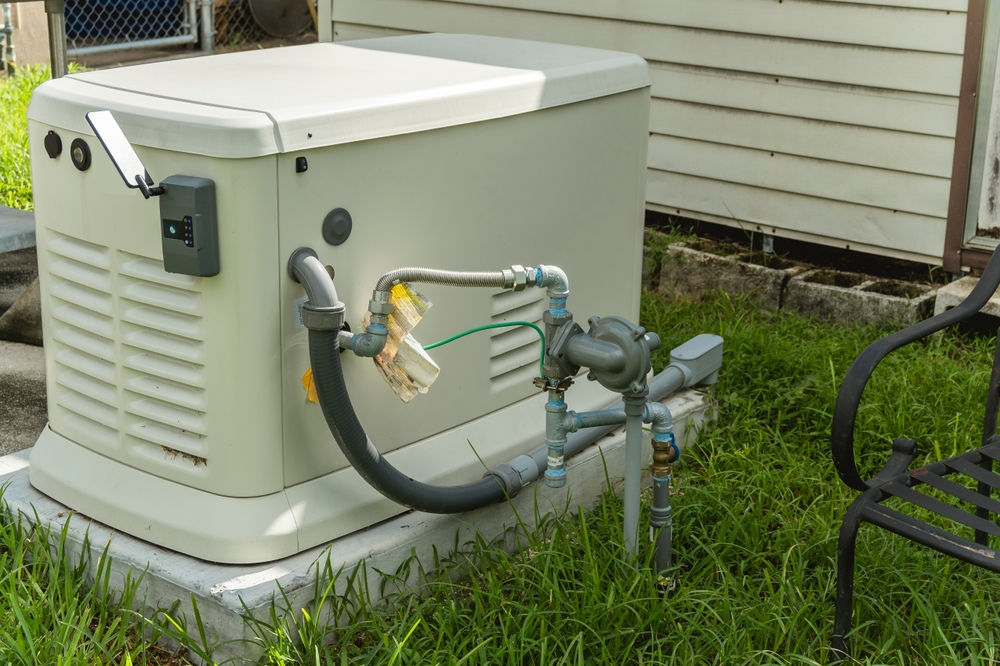
A standby generator is permanently installed outside the home, connected directly to the electrical panel, and fuelled by the home’s existing natural gas or propane line rather than a gas can in the garage. It starts automatically within seconds of an outage, with no one needing to be home to set it up.
Because it ties into the panel itself, a standby unit can cover the entire house rather than a short list of priority circuits. Furnace, well pump, sump pump, appliances, and lighting all stay on as if nothing happened, which matters enormously for a household with medical equipment, a finished basement, or livestock relying on powered equipment.
That level of coverage is also why standby installation involves real electrical work upfront, not just dropping a unit on a pad and plugging it in.
The real difference isn’t the price tag, it’s what happens during the outage
The sticker price gap between portable and standby units gets most of the attention, but the more important difference is what happens in the first ten minutes after the power goes out. A portable unit needs someone present, awake, and willing to go outside in a storm to set it up safely. A standby unit does not.
That distinction matters because portable generator safety mistakes are not rare, and they are rarely minor. According to the U.S. Consumer Product Safety Commission, more than 80 percent of fatal carbon monoxide poisonings linked to generators happen inside the home, almost always because a portable unit was run too close to a door, window, or garage opening.
A standby generator removes that human step from the equation entirely, since it is sited, vented, and installed correctly once and then simply works.
Portable generators: what you’re really signing up for
A portable generator is the lower-cost option on paper, but the real cost shows up in the effort required every time the power actually goes out, often in the middle of the night or in weather nobody wants to be outside in.
Being honest about that ongoing effort, not just the upfront price, is the only fair way to compare it against a standby unit.
Setup every time the power goes out
Every time the power drops, a portable generator has to be carried outside, fuelled, started, and connected, either to individual appliances with extension cords or to a manual transfer switch feeding select circuits. None of that happens automatically.
This setup has to happen in whatever conditions caused the outage in the first place, which is often the worst possible time to be working outside. An ice storm, high winds, or a flooded yard all make a routine ten-minute setup considerably harder and riskier than it sounds on paper.
A manual transfer switch at least removes the extension cord tangle and lets the unit feed specific circuits properly, which is a meaningful safety upgrade over cord-based setups for anyone planning to rely on a portable unit regularly.
Fuel, noise, and the stuff nobody mentions
Fuel storage is the part most people underestimate. A portable generator burns through gasoline or propane quickly under real load, which means keeping enough fuel on hand safely stored for a multi-day outage, not just a few hours.
Noise is the other factor that catches people off guard. A portable unit running continuously for days is loud enough to hear from the street and from inside neighbouring homes, which matters in closer-set neighbourhoods more than on a rural acreage.
A few things to keep in mind before relying on a portable unit for more than a short outage:
- Store fuel in approved containers, away from the house and out of direct sun.
- Always run the unit outdoors, well away from windows, doors, and vents.
- Match what gets plugged in to the unit’s rated wattage rather than guessing.
Overloading a portable unit by plugging in too much at once is a common and avoidable mistake. Plugging too much into a small unit at once trips its internal breaker fast.
In an older home, frequently tripping circuit breakers often point to a panel already running close to its limit, generator or no generator. That is worth a look regardless of which backup option you end up choosing.
Where portable makes sense
A portable generator genuinely fits some households well, particularly ones where outages are occasional and short, where budget matters more than full-house coverage, or where the property is a seasonal cottage rather than a full-time residence.
It also fits households comfortable handling the manual setup themselves, including the fuel storage and the outdoor placement rules that keep carbon monoxide from building up near the house.
A portable unit pairs naturally with a well pump repair visit when an outage exposes a pump that was already struggling before the power went out, since the two problems often surface together on a rural well system.
Standby generators: what changes once it’s hardwired in
A standby unit is a bigger upfront commitment, both financially and in terms of the electrical work involved, but it changes the entire experience of an outage from an active chore into something that simply happens in the background.
That shift is the entire reason standby systems cost more to install than they do to buy outright.
The electrical panel work that comes first
A standby generator connects directly to the home’s electrical panel, and that connection point has to be able to handle the load safely. In Peterborough’s older housing stock, that sometimes means the panel itself needs attention before a standby unit can go in at all.
An outdated or undersized electrical panel is one of the most common reasons a standby generator installation takes longer than a homeowner originally expected. Addressing it properly the first time avoids a system that technically works but trips or underperforms under real load.
This is also the point in the process where an electrician and a generator installer need to be coordinating closely, since the panel work and the generator sizing depend on each other.
Automatic transfer switches: the part that does the real work
An automatic transfer switch is the component that makes a standby system automatic in the first place. It constantly monitors the home’s power supply, and the instant it detects an outage, it disconnects the house from the grid and starts the generator, all within seconds and without anyone touching anything.
That switch ties directly into the home’s electric service entrance, which is why this is not a project suited to a general handyman or a weekend DIY attempt. A transfer switch installed incorrectly can backfeed power into utility lines, which is genuinely dangerous for utility workers restoring power elsewhere in the neighbourhood.
Once installed correctly, the switch also handles switching back once utility power returns, running the generator through a short cooldown cycle before shutting itself off.
What a standby unit protects that a portable one can’t
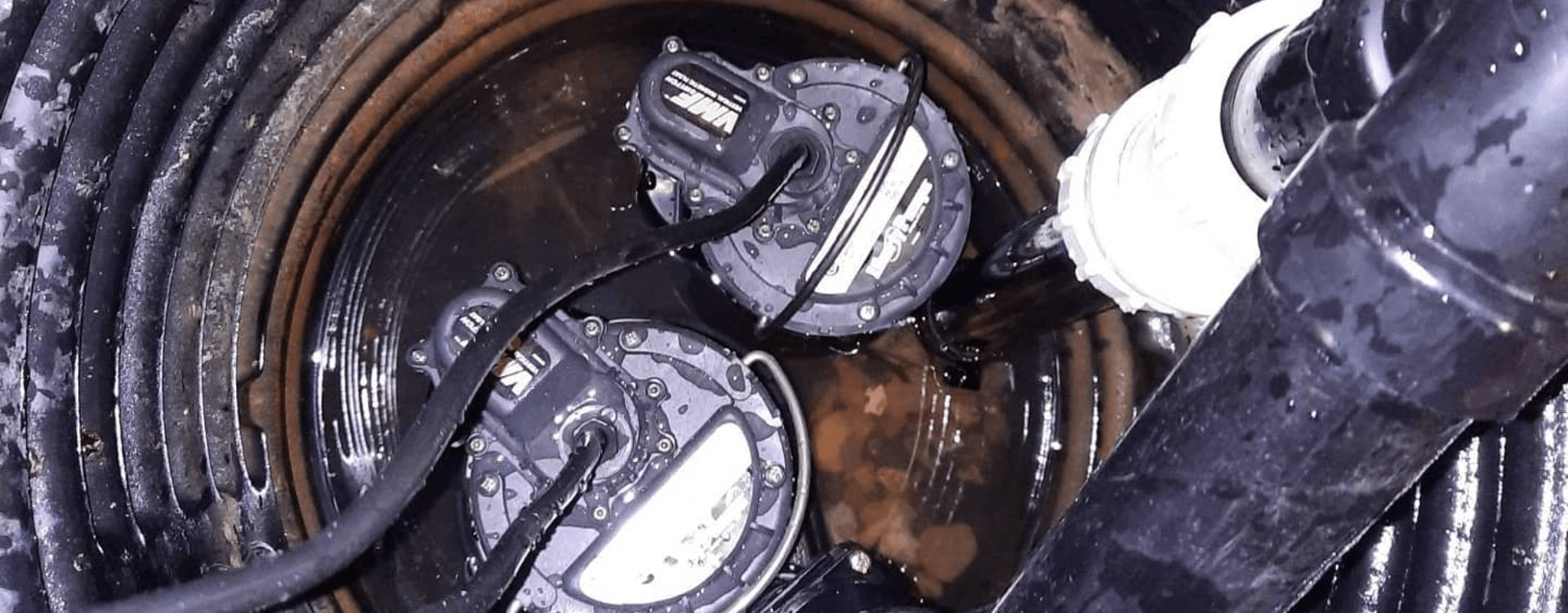
A standby unit’s biggest advantage shows up in systems that cannot tolerate a gap in power at all, even a short one. A sump pump that stops for twenty minutes during a heavy storm can be the difference between a dry basement and a flooded one.
A home relying on a private well needs its pump running continuously, which is where well system maintenance planning starts to overlap directly with generator planning. Properties on a pumped septic system face a similar risk, which is why a septic system service visit sometimes turns into a generator conversation as well.
None of those systems care whether the power came back in ten minutes or ten hours. A standby unit means they never notice the difference at all.
Making the call for a Peterborough-area home
Choosing between portable and standby ultimately comes down to what is actually on the line during an outage at your specific property, not a generic recommendation that applies to every house the same way.
A few practical questions make that decision much easier to answer honestly.
What’s actually on your circuit that needs power
Start with a plain list of what genuinely cannot go without power for more than a few minutes, versus what can wait.
- A well pump, since losing it means losing running water entirely, not just comfort.
- A sump pump, especially in a basement that has flooded before or sits on a high water table.
- Medical equipment, a home office that cannot afford downtime, or livestock-related equipment on a hobby farm.
A well pump that loses power for hours does not just go quiet. Low water pressure throughout the house is usually the first sign something is wrong once the power comes back on and the system has to catch up.
Questions to ask before you buy either one
A short, direct set of questions before buying either type avoids a system that is undersized, oversized, or poorly matched to the house.
- How many hours per year does this property actually lose power, realistically?
- What circuits or systems absolutely cannot go without power, even briefly?
- Is the current electrical panel capable of supporting a standby system, or does an electrical panel upgrade need to happen first?
- Who is actually available to set up a portable unit safely during a storm, every time?
- What does ongoing maintenance look like for each option, and who is responsible for it?
Answering these honestly, rather than optimistically, is what keeps a generator purchase from turning into an expensive unit that sits unused in a shed.
Maintenance: the part everyone forgets
A generator that has not been tested in two years is not a reliable backup system, it is an expensive guess about whether it will start when actually needed.
A basic annual check covers most of what actually fails:
- Test the battery and starter under load, not just a quick glance.
- Check fuel lines and connections for cracking or corrosion.
- Run the unit under an actual load for several minutes, not just an idle start.
Standby units should run a short self-test automatically on a schedule, but that does not replace a proper annual check. Generator maintenance catches a dead battery, a fuel line issue, or a worn part long before a storm forces the question.
Portable units need the same attention, just handled manually rather than on a schedule. Preparing your generator before storm season, not during it, means fresh fuel, a tested starter, and no unpleasant surprises the first time it actually needs to run.
Older homes add another layer worth checking before storm season arrives. Electrical safety issues like aging wiring or an undersized panel tend to surface the moment a generator puts real load on the system, so it is worth having them checked well before the first outage of the season rather than during it.
A summer electrical maintenance check ahead of storm season is a practical way to catch those issues while the weather is still cooperating.
Cardinal Home’s electrical crews handle this kind of work across Peterborough and the surrounding counties well beyond generators themselves. The same team also handles electrical repair calls out toward Kawartha Lakes. General electrical home repair work in Peterborough falls to the same crews planning your generator setup.
Conclusion
Portable and standby generators solve the same basic problem in very different ways. A portable unit costs less upfront but asks something of you every single time the power goes out, while a standby unit costs more to install but simply works the moment it is needed, with no one home required to make that happen.
The right choice depends less on budget alone and more on what is actually at stake during an outage at your property: a well pump that cannot lose pressure, a basement that has flooded before, or simply a household that wants to stop thinking about storms altogether.
If you are weighing which option actually fits your home, a proper on-site assessment accounts for your panel, your fuel options, and what genuinely needs to stay powered. Reach out to Cardinal Home to talk through what makes sense for your property before the next storm rolls through.